


BOZPY Sanitary CIP Return Pump
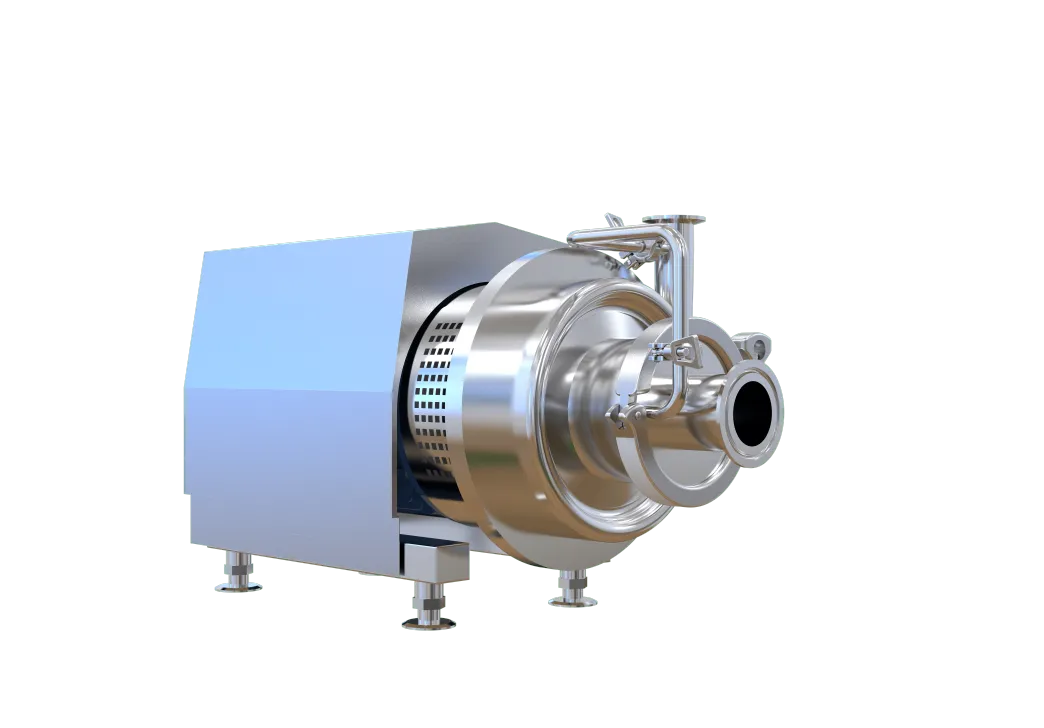
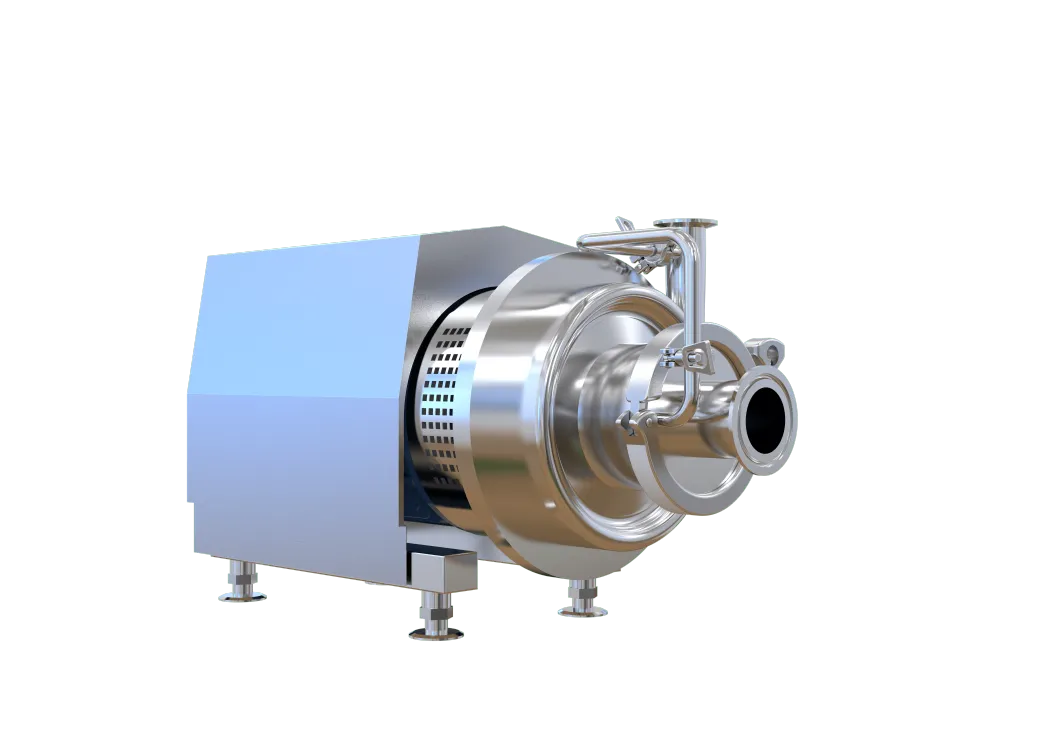
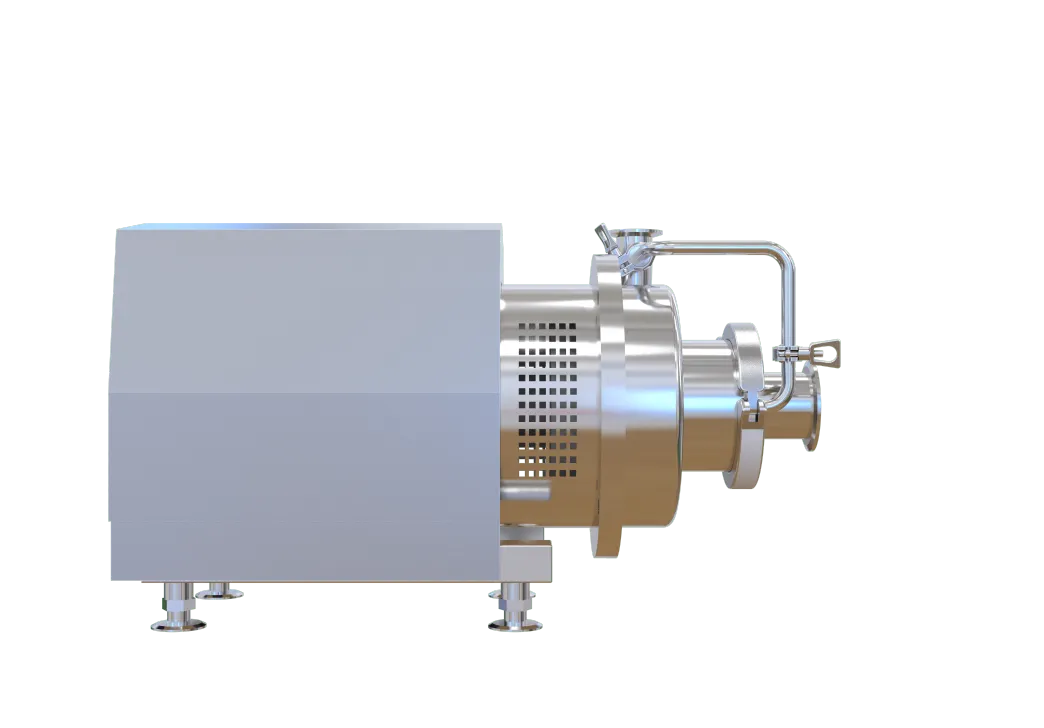
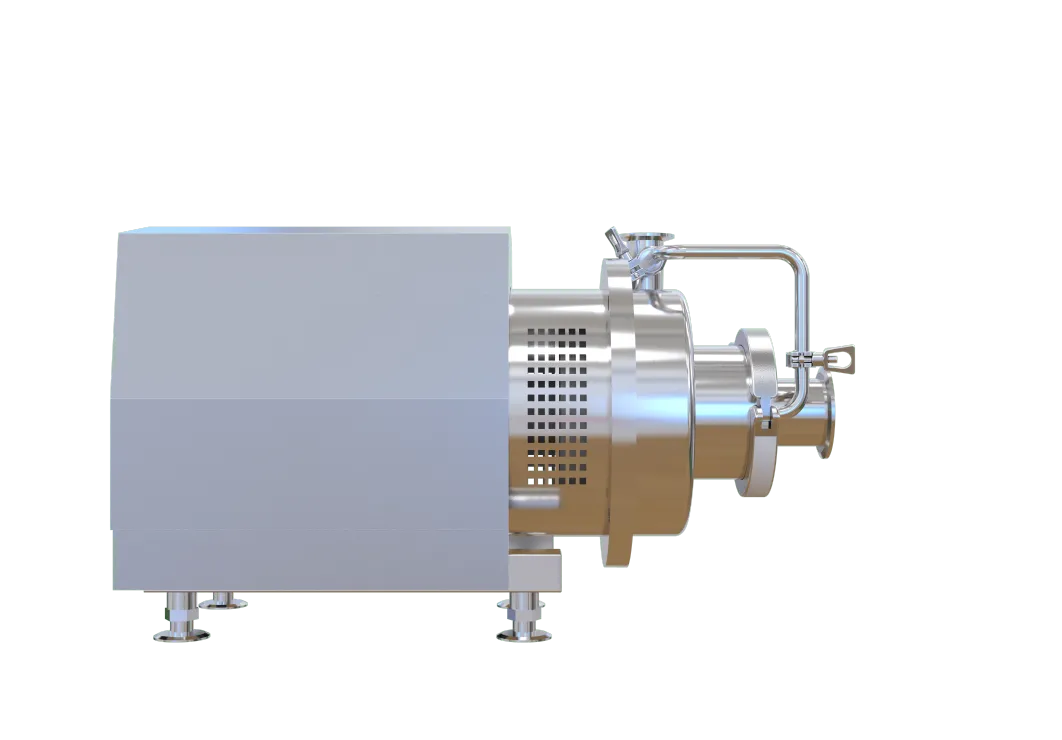
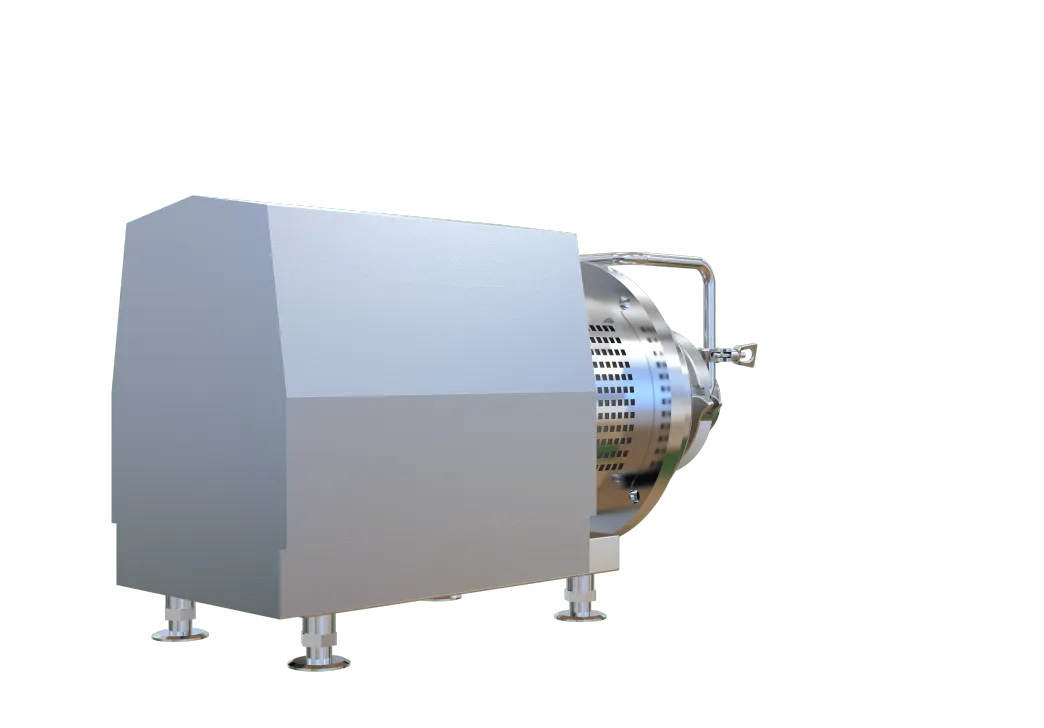
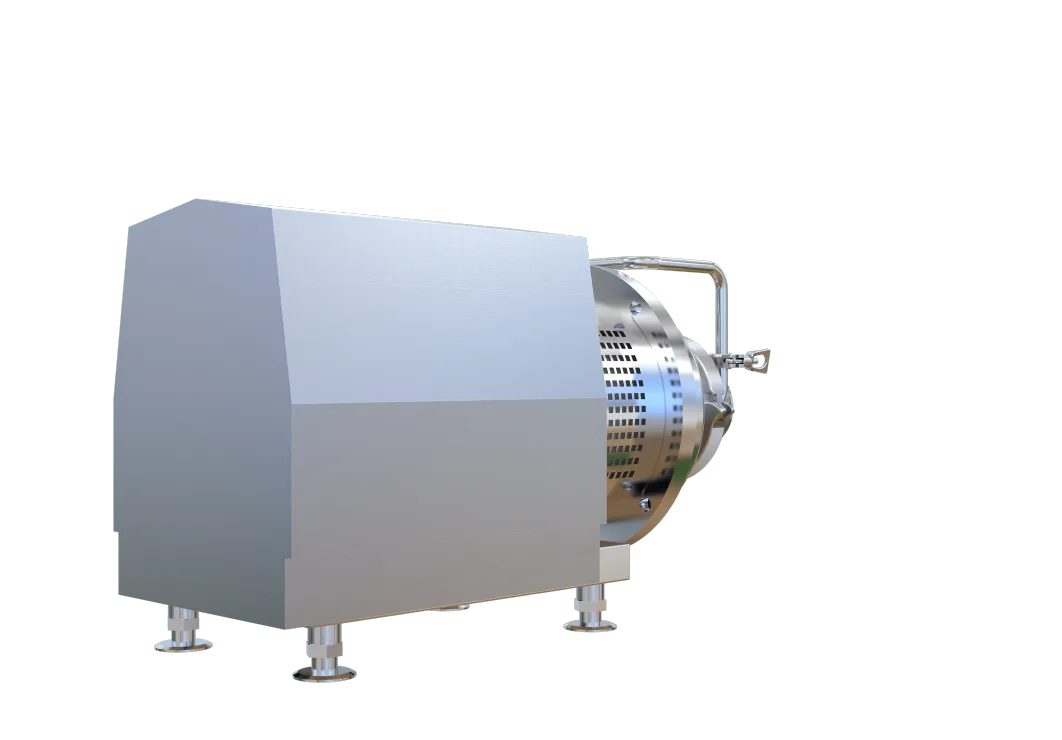
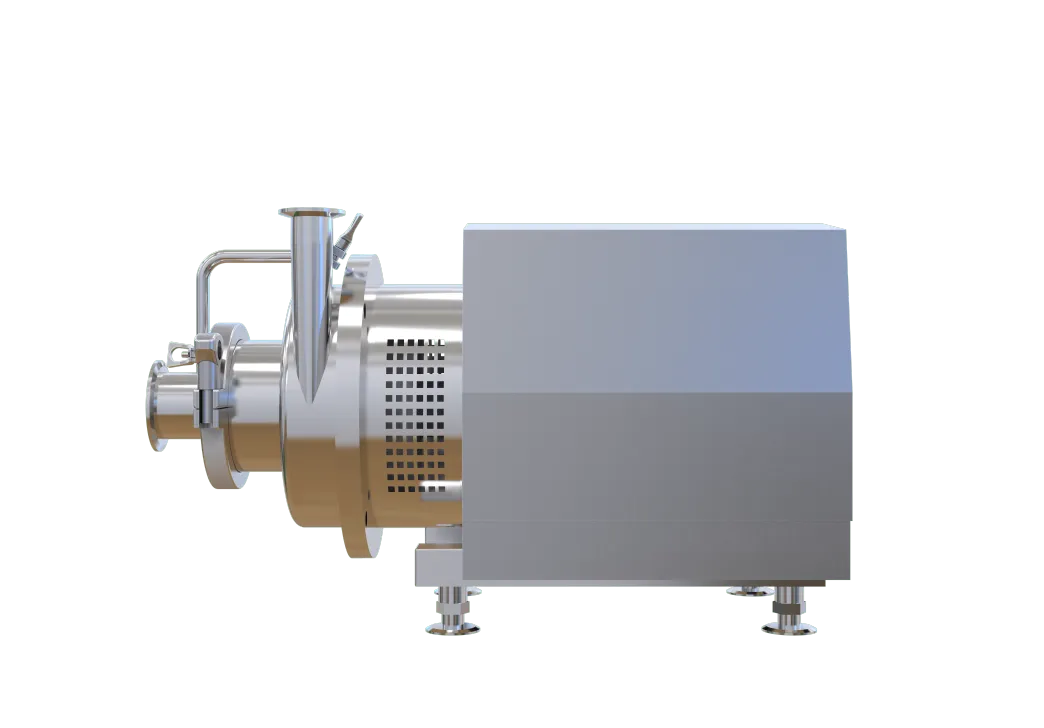
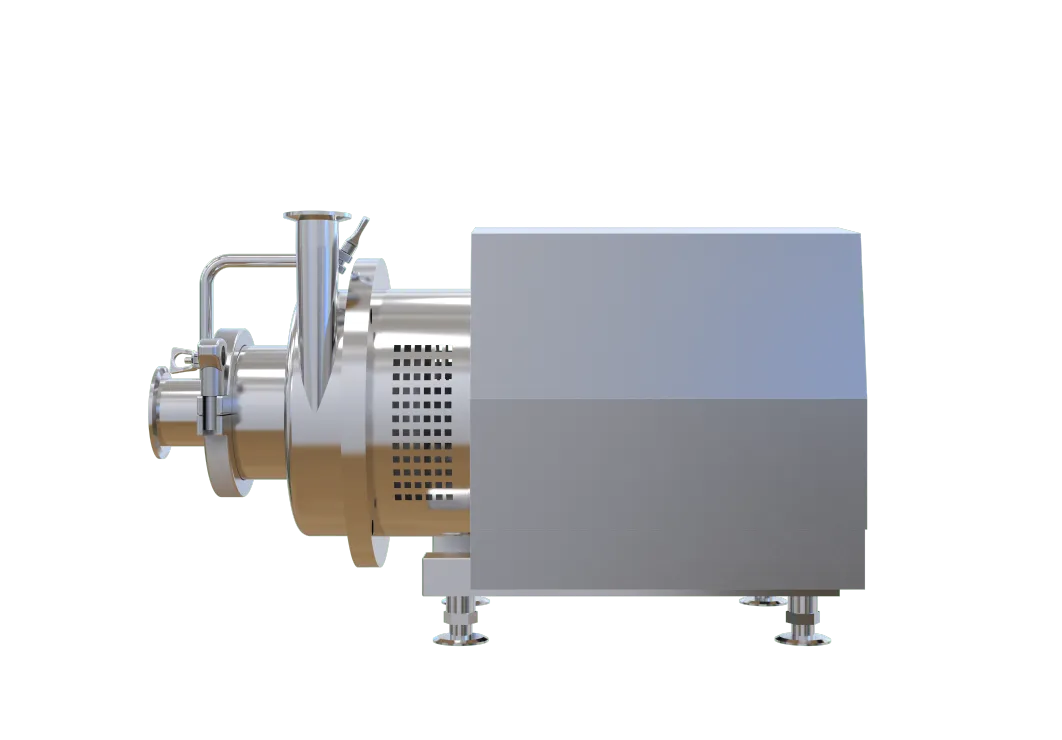
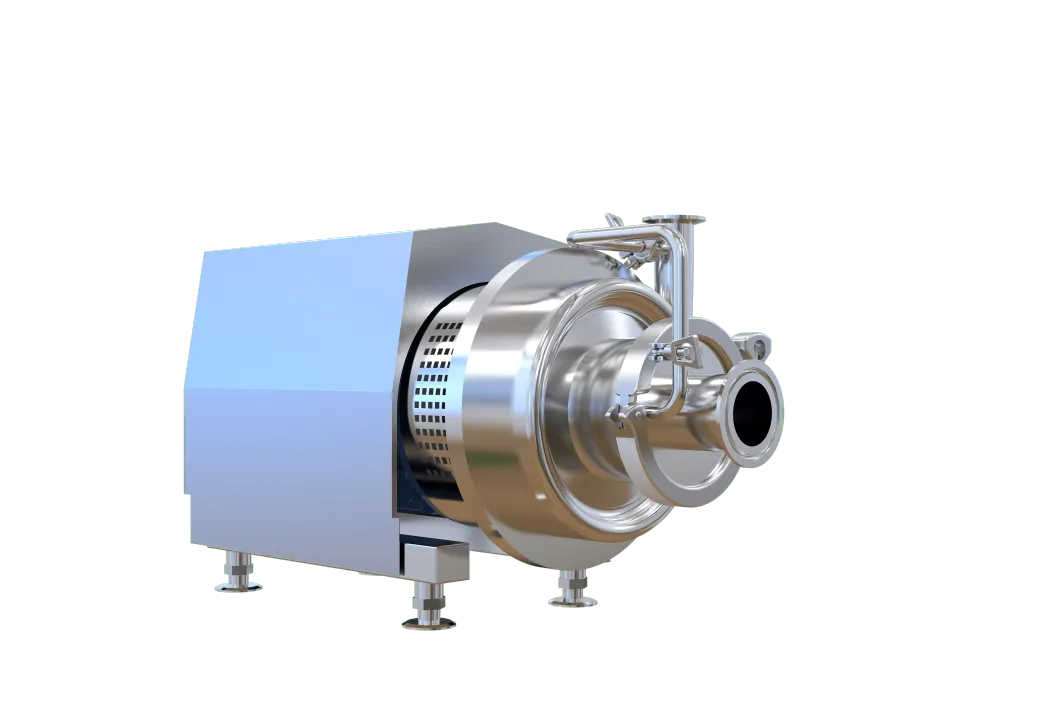
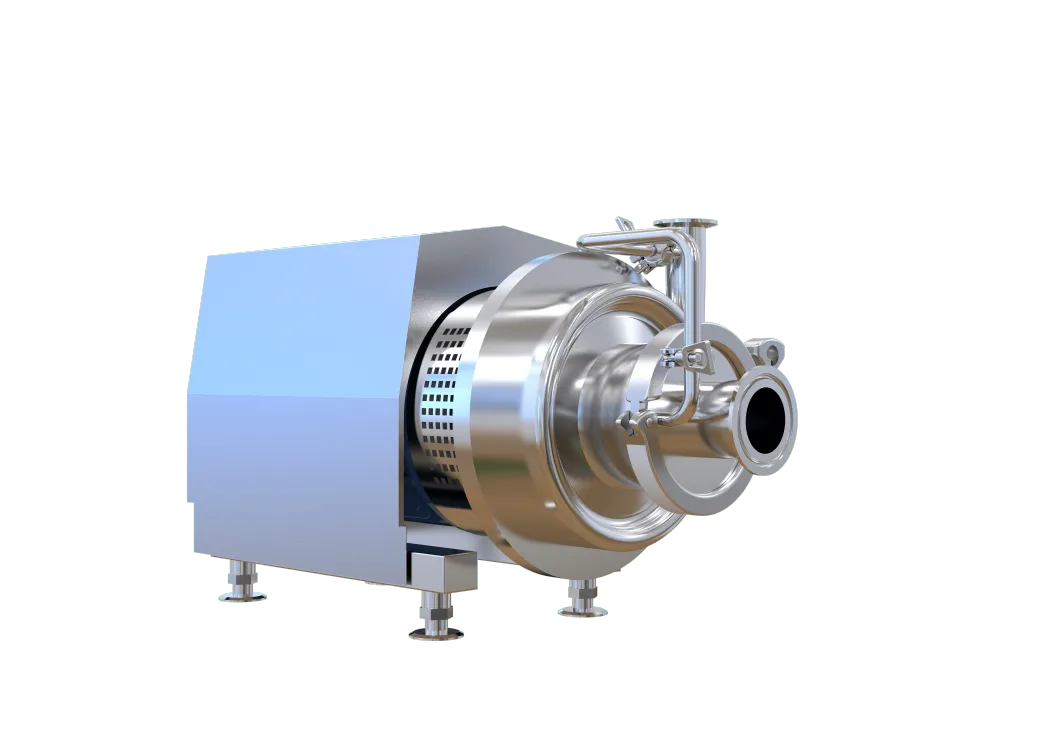
In modern hygienic processing industries—such as biopharmaceuticals, food and beverage, brewing, and fine chemicals—maintaining strict sanitary standards within process lines is critical. Clean-In-Place (CIP) systems are universally relied upon to sanitize equipment automatically without disassembly. A core component determining the efficiency of these systems is the CIP return pump. Standard centrifugal pumps often fail in return line applications because they become air-bound when pumping fluid mixed with scavenged air. This technical guide examines the structural design, fluid dynamics, compliance frameworks, and selection parameters of the BOZPY Series Sanitary CIP Return Pump, using verified engineering metrics to ensure reliable system design.
Liquid-Ring Fluid Dynamics and the Self-Priming Mechanism
The BOZPY series is engineered specifically to overcome the physical limitations that standard sanitary centrifugal pumps face during CIP scavenging phases. Standard centrifugal pumps require a continuous, fully flooded suction line to maintain prime. If air or gas pockets enter the impeller eye, the pump loses prime, leading to fluid backup in the processing vessels.
Managing Entrained Air and Gas-Liquid Mixtures
The BOZPY sanitary return pump utilizes a liquid-ring or modified self-priming hydraulic design. The internal pump casing, comprising the pump shell, cover, and specialized impeller, is engineered to maintain a residual liquid reservoir even after the system is shut down.
When the pump starts, the rotation of the impeller mixes the remaining liquid with entrained air from the suction line. This gas-liquid mixture is forced into a separation chamber within the casing, where the air separates and vents out through the discharge line while the denser liquid returns to the impeller. This continuous recirculation creates a vacuum in the suction line, allowing the pump to draw fluid from liquid levels located well below the pump inlet. This capability ensures that the pump can handle fluids with high gas-to-liquid ratios without binding.
Preventing CIP Solution Accumulation
In a typical CIP cycle, washing solutions are sprayed into tanks via spray balls and must be removed immediately to ensure fresh chemical coverage. If the return pump fails to match the inlet spray rate due to air binding, the chemical solution pools at the bottom of the tank. This pooling reduces the mechanical impact of the spray wash and causes chemical temperature drops. The BOZPY pump resolves this by maintaining a continuous vacuum, evacuating the tank bottoms completely to keep the system running efficiently.
Metallurgy, Surface Topology, and Hygienic Compliance
Equipment surfaces that contact process fluids must be highly inert and smooth to prevent bacterial colonization and product cross-contamination. The BOZPY pump line is designed to meet strict Good Manufacturing Practice (GMP) standards through precise metallurgical control.
Materials of Construction: 304 vs. 316L Stainless Steel
The wetted components of the pump—including the casing, cover, and impeller—are fabricated from high-grade stainless steel:
- 304 Stainless Steel: Suitable for standard food and beverage lines, dairy processing, and mild CIP chemical solutions where chloride concentrations are low.
- 316L Stainless Steel: Required for biopharmaceutical applications and aggressive chemical processes. The low-carbon formulation (maximum 0.03% Carbon) prevents chromium carbide precipitation during welding, while the added molybdenum enhances resistance to pitting corrosion from hot, concentrated nitric acid or sodium hydroxide cleaning solutions.
Surface Topology and Geometric Finishes
Microscopic cracks or rough surfaces in a pump casing can host organic residues and shield biofilms from chemical sanitization. To eliminate these risks, the internal wet-contact areas of the BOZPY pump undergo intense mechanical polishing followed by electropolishing to achieve an ultra-smooth internal surface roughness of Ra ≤ 0.28 micrometers. This profile minimizes protein adhesion and ensures the pump can be thoroughly cleaned during automated flushes.
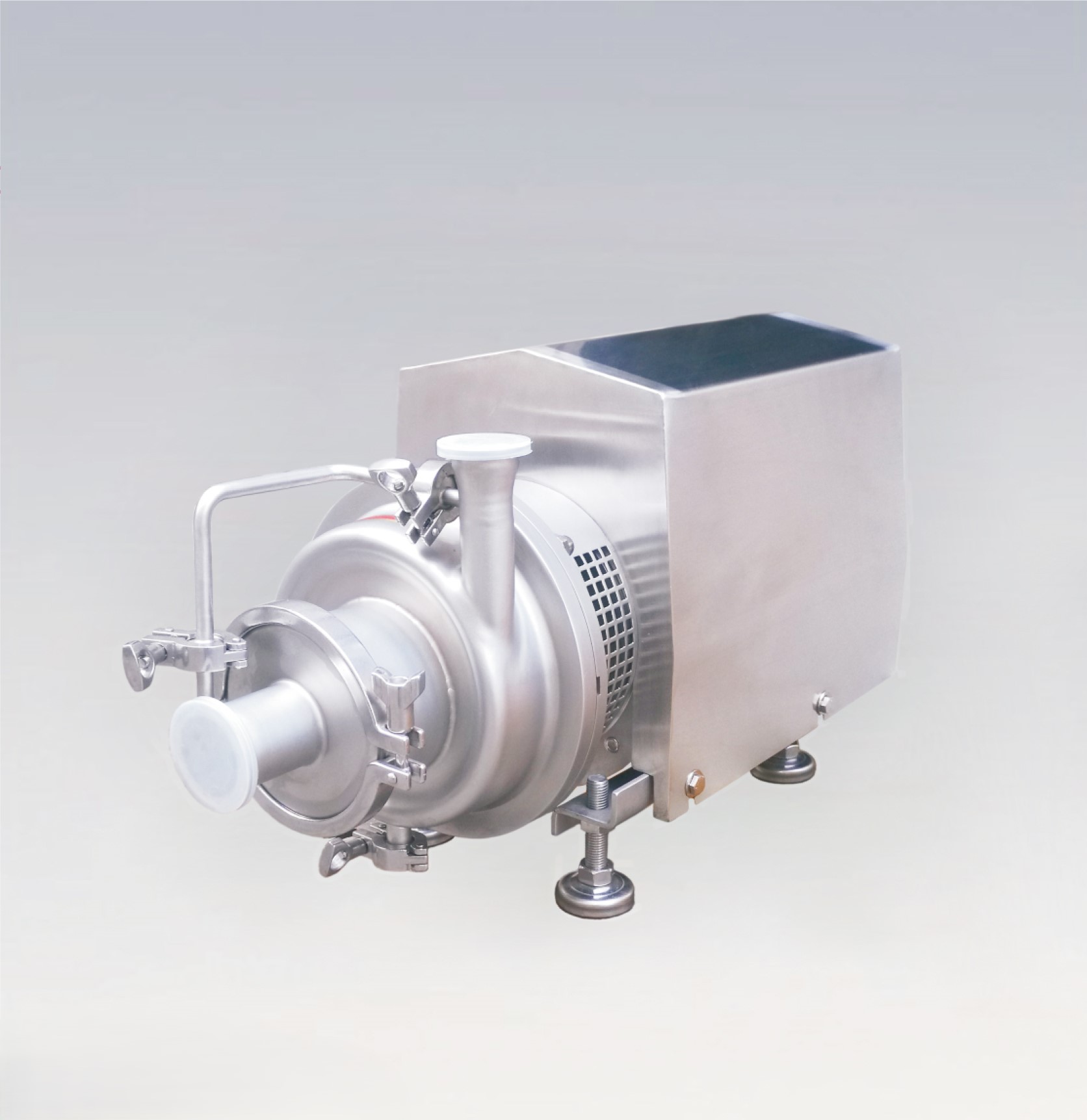
To protect the external motor from harsh washdown environments, the assembly includes a complete stainless steel protective shroud with a brushed matte finish. This shroud shields the electrical housing from high-pressure water jets and prevents dust accumulation on the cooling fins.
Thermal Endurance and Elastomeric Material Engineering
Hygienic production cycles subject components to extreme thermal variations, moving rapidly from cold processing fluids to hot chemical washes and steam sterilization.
Thermal Tolerance Profiles
The BOZPY series features a wide operating temperature range to accommodate these shifts. Its baseline low-end operating tolerance is -10°C, making it suitable for chilled juice, dairy, and cold beer filtration lines.
For sterilization, the pump structures are engineered to withstand continuous thermal loads up to 140°C. This allows facilities to run Steam-In-Place (SIP) cycles directly through the pump body without causing structural warping or mechanical misalignment.
Sealing Elastomer Options
Choosing the correct dynamic and static sealing elements is critical to preventing external leaks and maintaining process purity. The BOZPY pump supports a wide variety of seal materials tailored to specific chemical and thermal demands:
- EPDM (Ethylene Propylene Diene Monomer): The standard selection for typical CIP cycles. It offers excellent resistance to polar solvents, hot water, and dilute acids, but should not be used with petroleum-based fluids.
- FKM (Fluoroelastomer / Viton): Best for high-temperature applications and lines containing fatty oils, alcohols, or strong mineral acids.
- Silicone Rubber: Provides excellent thermal stability and low-temperature flexibility, making it a frequent choice for medical-grade and biotechnological processes.
- PTFE (Polytetrafluoroethylene): Offers nearly universal chemical inertness across the entire pH scale, though it has less physical elasticity than standard rubber compounds.
- NBR (Nitrile Rubber): An economical option for basic food-grade applications involving animal fats and vegetable oils at moderate temperatures.
Mechanical Configuration and Piping Integration Strategies
To ensure seamless installation into existing process piping, the BOZPY pump offers versatile modular configurations for both electrical systems and physical line connections.
Motor Adaptations for Hazardous Environments
For distillation facilities, breweries, or volatile chemical plants where flammable solvents or alcohol vapors are present, standard electric motors pose an ignition risk. The BOZPY series can be equipped with certified explosion-proof (Ex-d) motors. These specialized motors contain any internal electrical arcs or sparks, preventing them from igniting the surrounding atmosphere.
Process Connection Standards
To accommodate different regional engineering standards and facility preferences, the pump's suction and discharge ports can be built with several standard interface options:
- Tri-Clamp Quick-Connects: The most common connection style in North America and biopharmaceutical facilities. It features a threadless design that allows for fast breakdown, inspection, and manual cleaning.
- DIN Sanitary Unions: A threaded connection standard widely used across Europe (such as DIN 11851), featuring a heavy-duty design that handles high system vibrations and moderate piping stress.
- Flanged Interfaces: Used for larger, high-capacity models (like the DN100 BOZP50-192) operating under elevated pressures where robust mechanical piping joints are required.
- Butt-Weld Connections: Used for permanent, high-purity process loops where eliminating physical gaskets reduces the risk of long-term seal degradation.
Process Selection and System Design Optimization
When integrating a BOZPY return pump into a process line, system designers must verify several installation variables to ensure stable, cavitation-free operation.
Sizing for Downstream Process Equipment
The return pump's capacity must be sized larger than the forward supply feed pump. During a CIP cycle, air gets drawn into the suction line along with the fluid, causing the return fluid to expand in volume. Sizing the return pump 20% to 30% higher than the supply rate prevents solution buildup in the upstream vessel and ensures the tank stays dry.
Optimizing Net Positive Suction Head (NPSH)
Although the BOZPY is a self-priming pump capable of handling entrained gas, minimize the length of the suction line wherever possible. Long horizontal runs or multiple 90-degree elbows introduce friction losses that reduce the Net Positive Suction Head Available (NPSHA). Keeping the suction line short and properly sloped toward the pump inlet prevents fluid separation, reduces mechanical noise, and extends the lifespan of the internal mechanical seals.

Description
In modern hygienic processing industries—such as biopharmaceuticals, food and beverage, brewing, and fine chemicals—maintaining strict sanitary standards within process lines is critical. Clean-In-Place (CIP) systems are universally relied upon to sanitize equipment automatically without disassembly. A core component determining the efficiency of these systems is the CIP return pump. Standard centrifugal pumps often fail in return line applications because they become air-bound when pumping fluid mixed with scavenged air. This technical guide examines the structural design, fluid dynamics, compliance frameworks, and selection parameters of the BOZPY Series Sanitary CIP Return Pump, using verified engineering metrics to ensure reliable system design.
Liquid-Ring Fluid Dynamics and the Self-Priming Mechanism
The BOZPY series is engineered specifically to overcome the physical limitations that standard sanitary centrifugal pumps face during CIP scavenging phases. Standard centrifugal pumps require a continuous, fully flooded suction line to maintain prime. If air or gas pockets enter the impeller eye, the pump loses prime, leading to fluid backup in the processing vessels.
Managing Entrained Air and Gas-Liquid Mixtures
The BOZPY sanitary return pump utilizes a liquid-ring or modified self-priming hydraulic design. The internal pump casing, comprising the pump shell, cover, and specialized impeller, is engineered to maintain a residual liquid reservoir even after the system is shut down.
When the pump starts, the rotation of the impeller mixes the remaining liquid with entrained air from the suction line. This gas-liquid mixture is forced into a separation chamber within the casing, where the air separates and vents out through the discharge line while the denser liquid returns to the impeller. This continuous recirculation creates a vacuum in the suction line, allowing the pump to draw fluid from liquid levels located well below the pump inlet. This capability ensures that the pump can handle fluids with high gas-to-liquid ratios without binding.
Preventing CIP Solution Accumulation
In a typical CIP cycle, washing solutions are sprayed into tanks via spray balls and must be removed immediately to ensure fresh chemical coverage. If the return pump fails to match the inlet spray rate due to air binding, the chemical solution pools at the bottom of the tank. This pooling reduces the mechanical impact of the spray wash and causes chemical temperature drops. The BOZPY pump resolves this by maintaining a continuous vacuum, evacuating the tank bottoms completely to keep the system running efficiently.
Metallurgy, Surface Topology, and Hygienic Compliance
Equipment surfaces that contact process fluids must be highly inert and smooth to prevent bacterial colonization and product cross-contamination. The BOZPY pump line is designed to meet strict Good Manufacturing Practice (GMP) standards through precise metallurgical control.
Materials of Construction: 304 vs. 316L Stainless Steel
The wetted components of the pump—including the casing, cover, and impeller—are fabricated from high-grade stainless steel:
- 304 Stainless Steel: Suitable for standard food and beverage lines, dairy processing, and mild CIP chemical solutions where chloride concentrations are low.
- 316L Stainless Steel: Required for biopharmaceutical applications and aggressive chemical processes. The low-carbon formulation (maximum 0.03% Carbon) prevents chromium carbide precipitation during welding, while the added molybdenum enhances resistance to pitting corrosion from hot, concentrated nitric acid or sodium hydroxide cleaning solutions.
Surface Topology and Geometric Finishes
Microscopic cracks or rough surfaces in a pump casing can host organic residues and shield biofilms from chemical sanitization. To eliminate these risks, the internal wet-contact areas of the BOZPY pump undergo intense mechanical polishing followed by electropolishing to achieve an ultra-smooth internal surface roughness of Ra ≤ 0.28 micrometers. This profile minimizes protein adhesion and ensures the pump can be thoroughly cleaned during automated flushes.
To protect the external motor from harsh washdown environments, the assembly includes a complete stainless steel protective shroud with a brushed matte finish. This shroud shields the electrical housing from high-pressure water jets and prevents dust accumulation on the cooling fins.
Thermal Endurance and Elastomeric Material Engineering
Hygienic production cycles subject components to extreme thermal variations, moving rapidly from cold processing fluids to hot chemical washes and steam sterilization.
Thermal Tolerance Profiles
The BOZPY series features a wide operating temperature range to accommodate these shifts. Its baseline low-end operating tolerance is -10°C, making it suitable for chilled juice, dairy, and cold beer filtration lines.
For sterilization, the pump structures are engineered to withstand continuous thermal loads up to 140°C. This allows facilities to run Steam-In-Place (SIP) cycles directly through the pump body without causing structural warping or mechanical misalignment.
Sealing Elastomer Options
Choosing the correct dynamic and static sealing elements is critical to preventing external leaks and maintaining process purity. The BOZPY pump supports a wide variety of seal materials tailored to specific chemical and thermal demands:
- EPDM (Ethylene Propylene Diene Monomer): The standard selection for typical CIP cycles. It offers excellent resistance to polar solvents, hot water, and dilute acids, but should not be used with petroleum-based fluids.
- FKM (Fluoroelastomer / Viton): Best for high-temperature applications and lines containing fatty oils, alcohols, or strong mineral acids.
- Silicone Rubber: Provides excellent thermal stability and low-temperature flexibility, making it a frequent choice for medical-grade and biotechnological processes.
- PTFE (Polytetrafluoroethylene): Offers nearly universal chemical inertness across the entire pH scale, though it has less physical elasticity than standard rubber compounds.
- NBR (Nitrile Rubber): An economical option for basic food-grade applications involving animal fats and vegetable oils at moderate temperatures.
Mechanical Configuration and Piping Integration Strategies
To ensure seamless installation into existing process piping, the BOZPY pump offers versatile modular configurations for both electrical systems and physical line connections.
Motor Adaptations for Hazardous Environments
For distillation facilities, breweries, or volatile chemical plants where flammable solvents or alcohol vapors are present, standard electric motors pose an ignition risk. The BOZPY series can be equipped with certified explosion-proof (Ex-d) motors. These specialized motors contain any internal electrical arcs or sparks, preventing them from igniting the surrounding atmosphere.
Process Connection Standards
To accommodate different regional engineering standards and facility preferences, the pump's suction and discharge ports can be built with several standard interface options:
- Tri-Clamp Quick-Connects: The most common connection style in North America and biopharmaceutical facilities. It features a threadless design that allows for fast breakdown, inspection, and manual cleaning.
- DIN Sanitary Unions: A threaded connection standard widely used across Europe (such as DIN 11851), featuring a heavy-duty design that handles high system vibrations and moderate piping stress.
- Flanged Interfaces: Used for larger, high-capacity models (like the DN100 BOZP50-192) operating under elevated pressures where robust mechanical piping joints are required.
- Butt-Weld Connections: Used for permanent, high-purity process loops where eliminating physical gaskets reduces the risk of long-term seal degradation.
Process Selection and System Design Optimization
When integrating a BOZPY return pump into a process line, system designers must verify several installation variables to ensure stable, cavitation-free operation.
Sizing for Downstream Process Equipment
The return pump's capacity must be sized larger than the forward supply feed pump. During a CIP cycle, air gets drawn into the suction line along with the fluid, causing the return fluid to expand in volume. Sizing the return pump 20% to 30% higher than the supply rate prevents solution buildup in the upstream vessel and ensures the tank stays dry.
Optimizing Net Positive Suction Head (NPSH)
Although the BOZPY is a self-priming pump capable of handling entrained gas, minimize the length of the suction line wherever possible. Long horizontal runs or multiple 90-degree elbows introduce friction losses that reduce the Net Positive Suction Head Available (NPSHA). Keeping the suction line short and properly sloped toward the pump inlet prevents fluid separation, reduces mechanical noise, and extends the lifespan of the internal mechanical seals.
Application


Specifications
Advantage Comparison


GET IN TOUCH NOW


