


Open-Tank Mechanical Foam Breaker




Foam control becomes a practical process issue when fermentation, cultivation, aeration, or high-speed mixing takes place in an open vessel or tank. Excessive foam can occupy usable volume, carry valuable liquid out of the vessel, and increase the amount of material lost through overflow or exhaust paths. Chemical antifoam agents can address foam formation, but they may also introduce additional considerations for fermentation and downstream processing.
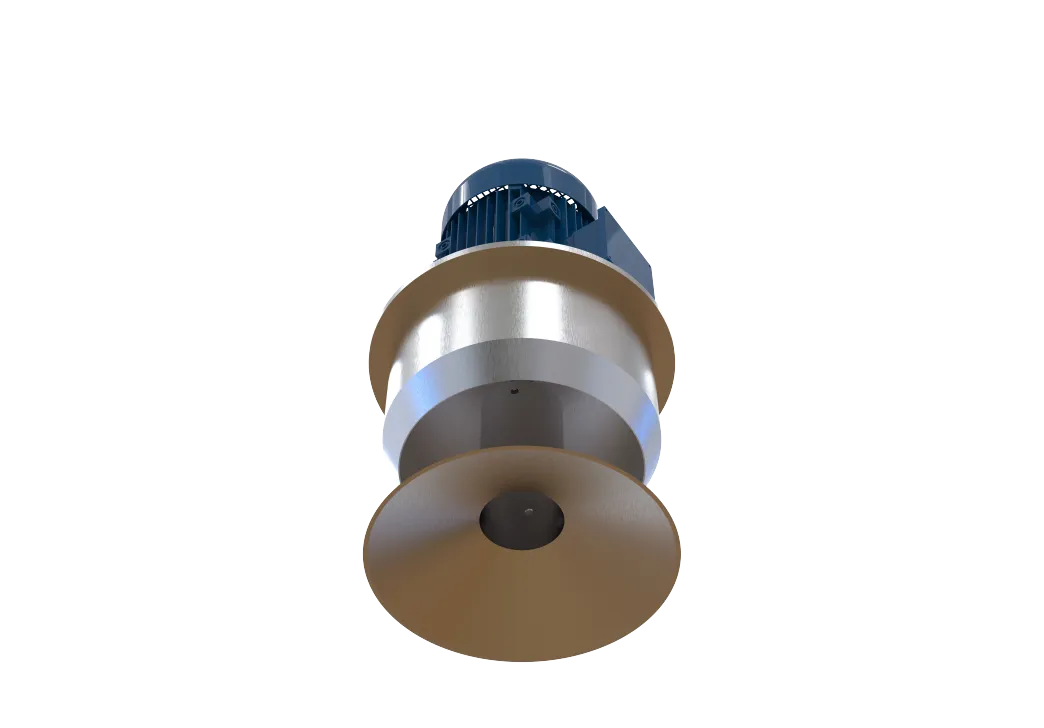
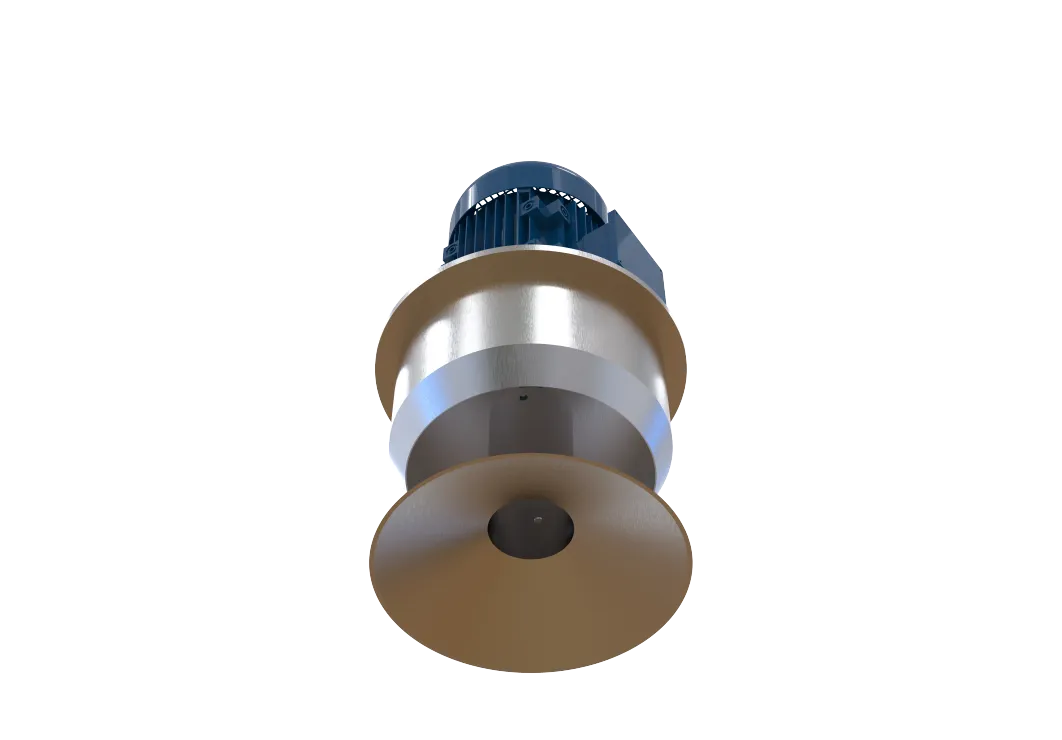
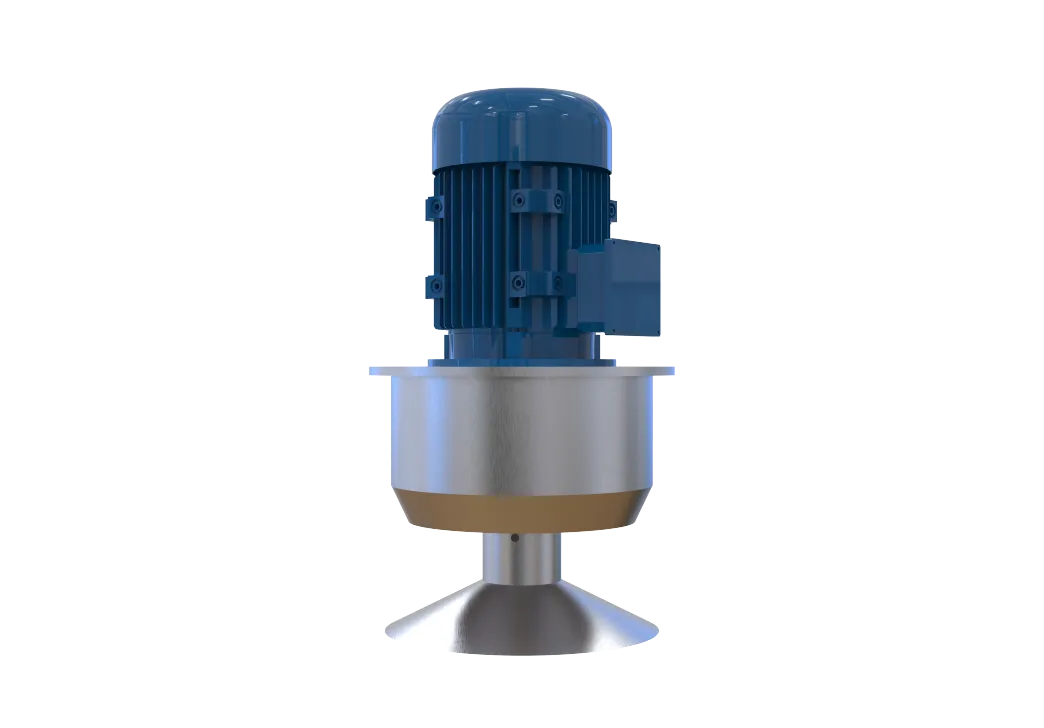
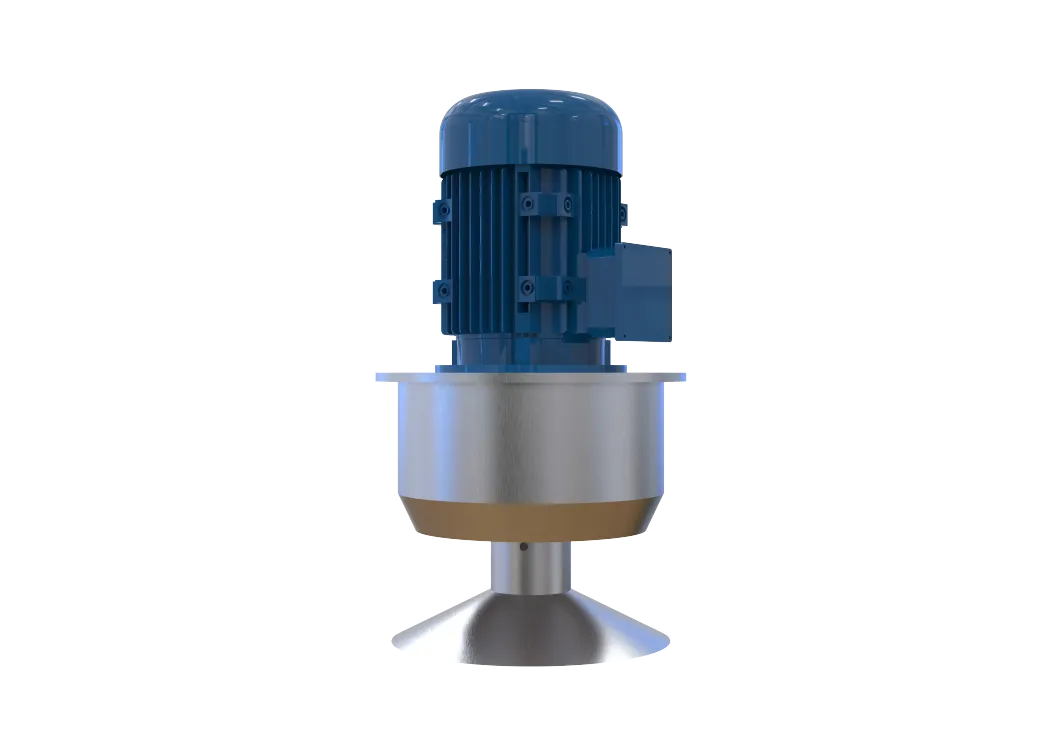
The BODF-II Open-Tank Mechanical Foam Breaker is designed for open vessels and tanks where foam needs to be mechanically broken and the liquid contained in the foam recovered. By combining high-speed rotor action with centrifugal separation, the equipment provides a mechanical approach to foam control while reducing dependence on chemical defoaming agents.
Designed Specifically for Open Vessels and Tanks
Unlike the BODF Type I configuration for fully enclosed vessels, Type II is intended for open-type containers, tanks, and process pools.
This configuration is suitable for processes where foam accumulates above the liquid surface and needs to be continuously or periodically brought into a mechanical breaking zone. The equipment can be incorporated into different open processing arrangements according to the vessel structure and process requirements.
This makes Type II particularly relevant to fermentation and mixing applications where foam generation is a normal consequence of aeration, biological activity, or agitation.
Rather than treating foam only as a surface problem, the BODF Open-Tank Mechanical Foam Breaker addresses both foam breakdown and liquid recovery.
Centrifugal Force Turns Foam Control into Liquid Recovery
The working principle of the BODF Type II is based on the mechanical action of a high-speed rotor.
Foam enters the working area of the foam breaker, where the rotating rotor generates strong mechanical shear. The foam structure is disrupted and the bubbles are broken apart. Once the gas is released, the liquid contained in the foam is subjected to centrifugal force and thrown toward the equipment wall.
The separated liquid then forms a liquid flow along the wall. Part of the liquid can return toward the process vessel, while another portion passes through the porous structure into the vortex collection section. The collected liquid is subsequently returned to the vessel through the connected piping.
This means that the equipment does more than simply collapse foam. It provides a controlled path for separating and recovering liquid carried by the foam, helping reduce escape of fermentation broth or other process liquid.
Reducing Foam Without Relying on Chemical Antifoam
In fermentation and biological processing, chemical antifoam agents may affect the characteristics of the process liquid and can create additional considerations for downstream separation.
The BODF Type II provides a mechanical alternative by using rotor-generated shear rather than depending primarily on chemical additives.
Reducing the amount of chemical antifoam required can be useful when foam control needs to be integrated with the overall process rather than handled solely through chemical dosing. The approach can also help reduce liquid losses caused by excessive foam and make better use of the available working volume.
The actual requirement for antifoam depends on the specific process, medium, and operating conditions. Mechanical foam breaking therefore works as a process-control option that can be evaluated alongside the existing formulation and operating strategy.
Applications Across Fermentation and Open-Tank Processing
The BODF Type II Open-Tank Mechanical Foam Breaker can be used in a variety of processes where aeration, biological activity, or mixing generates persistent foam.
Typical applications include:
Antibiotic fermentation
Foam generated during aerated fermentation can carry fermentation liquid out of the working vessel. Mechanical foam breaking helps separate the liquid from the foam and return it to the process.
Amino acid and organic fermentation
Biological activity and aeration can create substantial foam during fermentation. Mechanical foam control can help limit foam accumulation and associated liquid loss.
Yeast cultivation
Yeast growth processes can generate persistent surface foam. The BODF system provides mechanical foam disruption without making chemical antifoam the sole control method.
Vinegar production
Aeration and biological conversion can contribute to foam formation. An open-tank mechanical foam breaker can be integrated into the process to manage foam at the vessel level.
Daily chemical and personal care mixing
Agitated liquid products can develop foam during mixing. Mechanical foam breaking can help control excessive surface foam where maintaining usable vessel volume is important.
Fruit juice mixing
Mixing and agitation can introduce air and generate foam in juice processing. Mechanical separation provides a method for controlling the resulting foam without relying exclusively on chemical defoamers.
Configurable Materials and Drive Options
BODF-II can be configured according to the requirements of the processing environment.
The main equipment body is available in 304 stainless steel or 316L stainless steel. For applications where a smoother internal surface is preferred, electropolishing is available as an option.
Available sealing materials include EPDM, silicone rubber, and FKM, allowing the sealing configuration to be selected according to the process medium and operating conditions.
The drive can also be supplied with either a standard motor or explosion-proof motor, depending on the installation environment.
BODF series equipment covers multiple foam-handling capacities, allowing the appropriate specification to be selected according to vessel size, foam generation, aeration conditions, and process requirements rather than applying one fixed configuration to every application.
Integrating Foam Control with Process Loss Reduction
Foam management is particularly important when the material carried by the foam has process value. In fermentation, for example, foam may contain broth, cells, dissolved components, and other liquid-phase materials. Allowing this foam to escape can therefore become a source of product loss as well as an operational issue.
The BODF-II Open-Tank Mechanical Foam Breaker combines foam disruption with centrifugal liquid separation and return. This makes it a practical option for open vessels where operators need to control foam while retaining as much process liquid as possible.
For processes operating with high aeration rates, the mechanical foam breaker can also be considered together with a tail-gas condensation system. Combining foam separation with tail-gas treatment can provide additional control over liquid carried from the vessel under high-aeration conditions.
With its open-vessel configuration, mechanical operating principle, selectable materials, and multiple capacity options, BODF-II provides a dedicated approach to foam management for fermentation, cultivation, mixing, and other open-tank liquid processes.

Description
Foam control becomes a practical process issue when fermentation, cultivation, aeration, or high-speed mixing takes place in an open vessel or tank. Excessive foam can occupy usable volume, carry valuable liquid out of the vessel, and increase the amount of material lost through overflow or exhaust paths. Chemical antifoam agents can address foam formation, but they may also introduce additional considerations for fermentation and downstream processing.
The BODF-II Open-Tank Mechanical Foam Breaker is designed for open vessels and tanks where foam needs to be mechanically broken and the liquid contained in the foam recovered. By combining high-speed rotor action with centrifugal separation, the equipment provides a mechanical approach to foam control while reducing dependence on chemical defoaming agents.
Designed Specifically for Open Vessels and Tanks
Unlike the BODF Type I configuration for fully enclosed vessels, Type II is intended for open-type containers, tanks, and process pools.
This configuration is suitable for processes where foam accumulates above the liquid surface and needs to be continuously or periodically brought into a mechanical breaking zone. The equipment can be incorporated into different open processing arrangements according to the vessel structure and process requirements.
This makes Type II particularly relevant to fermentation and mixing applications where foam generation is a normal consequence of aeration, biological activity, or agitation.
Rather than treating foam only as a surface problem, the BODF Open-Tank Mechanical Foam Breaker addresses both foam breakdown and liquid recovery.
Centrifugal Force Turns Foam Control into Liquid Recovery
The working principle of the BODF Type II is based on the mechanical action of a high-speed rotor.
Foam enters the working area of the foam breaker, where the rotating rotor generates strong mechanical shear. The foam structure is disrupted and the bubbles are broken apart. Once the gas is released, the liquid contained in the foam is subjected to centrifugal force and thrown toward the equipment wall.
The separated liquid then forms a liquid flow along the wall. Part of the liquid can return toward the process vessel, while another portion passes through the porous structure into the vortex collection section. The collected liquid is subsequently returned to the vessel through the connected piping.
This means that the equipment does more than simply collapse foam. It provides a controlled path for separating and recovering liquid carried by the foam, helping reduce escape of fermentation broth or other process liquid.
Reducing Foam Without Relying on Chemical Antifoam
In fermentation and biological processing, chemical antifoam agents may affect the characteristics of the process liquid and can create additional considerations for downstream separation.
The BODF Type II provides a mechanical alternative by using rotor-generated shear rather than depending primarily on chemical additives.
Reducing the amount of chemical antifoam required can be useful when foam control needs to be integrated with the overall process rather than handled solely through chemical dosing. The approach can also help reduce liquid losses caused by excessive foam and make better use of the available working volume.
The actual requirement for antifoam depends on the specific process, medium, and operating conditions. Mechanical foam breaking therefore works as a process-control option that can be evaluated alongside the existing formulation and operating strategy.
Applications Across Fermentation and Open-Tank Processing
The BODF Type II Open-Tank Mechanical Foam Breaker can be used in a variety of processes where aeration, biological activity, or mixing generates persistent foam.
Typical applications include:
Antibiotic fermentation
Foam generated during aerated fermentation can carry fermentation liquid out of the working vessel. Mechanical foam breaking helps separate the liquid from the foam and return it to the process.
Amino acid and organic fermentation
Biological activity and aeration can create substantial foam during fermentation. Mechanical foam control can help limit foam accumulation and associated liquid loss.
Yeast cultivation
Yeast growth processes can generate persistent surface foam. The BODF system provides mechanical foam disruption without making chemical antifoam the sole control method.
Vinegar production
Aeration and biological conversion can contribute to foam formation. An open-tank mechanical foam breaker can be integrated into the process to manage foam at the vessel level.
Daily chemical and personal care mixing
Agitated liquid products can develop foam during mixing. Mechanical foam breaking can help control excessive surface foam where maintaining usable vessel volume is important.
Fruit juice mixing
Mixing and agitation can introduce air and generate foam in juice processing. Mechanical separation provides a method for controlling the resulting foam without relying exclusively on chemical defoamers.
Configurable Materials and Drive Options
BODF-II can be configured according to the requirements of the processing environment.
The main equipment body is available in 304 stainless steel or 316L stainless steel. For applications where a smoother internal surface is preferred, electropolishing is available as an option.
Available sealing materials include EPDM, silicone rubber, and FKM, allowing the sealing configuration to be selected according to the process medium and operating conditions.
The drive can also be supplied with either a standard motor or explosion-proof motor, depending on the installation environment.
BODF series equipment covers multiple foam-handling capacities, allowing the appropriate specification to be selected according to vessel size, foam generation, aeration conditions, and process requirements rather than applying one fixed configuration to every application.
Integrating Foam Control with Process Loss Reduction
Foam management is particularly important when the material carried by the foam has process value. In fermentation, for example, foam may contain broth, cells, dissolved components, and other liquid-phase materials. Allowing this foam to escape can therefore become a source of product loss as well as an operational issue.
The BODF-II Open-Tank Mechanical Foam Breaker combines foam disruption with centrifugal liquid separation and return. This makes it a practical option for open vessels where operators need to control foam while retaining as much process liquid as possible.
For processes operating with high aeration rates, the mechanical foam breaker can also be considered together with a tail-gas condensation system. Combining foam separation with tail-gas treatment can provide additional control over liquid carried from the vessel under high-aeration conditions.
With its open-vessel configuration, mechanical operating principle, selectable materials, and multiple capacity options, BODF-II provides a dedicated approach to foam management for fermentation, cultivation, mixing, and other open-tank liquid processes.
Application


Specifications
| Model | BODF-II-5 | BODF-II-10 | BODF-II-20 | BODF-II-30 | BODF-II-40 | BODF-II-60 | BODF-II-80 | BODF-II-100 | BODF-II-200 | BODF-II-300 | BODF-II-500 | |
|---|---|---|---|---|---|---|---|---|---|---|---|---|
| Power | 0.37 | 0.75 | 1.1 | 2.2 | 3.0 | 4.0 | 5.5 | 7.5 | 15 | 22 | 30 | kw |
| Rotational Speed | 2800 | 2800 | 2850 | 2850 | 2850 | 2850 | 2850 | 2900 | 2900 | 2900 | 2900 | rpm |
| Foam Elimination Capacity | 5 | 10 | 20 | 30 | 40 | 60 | 80 | 100 | 200 | 300 | 500 | m³/h |
Advantage Comparison


GET IN TOUCH NOW


