


Sealed Mechanical Defoamer
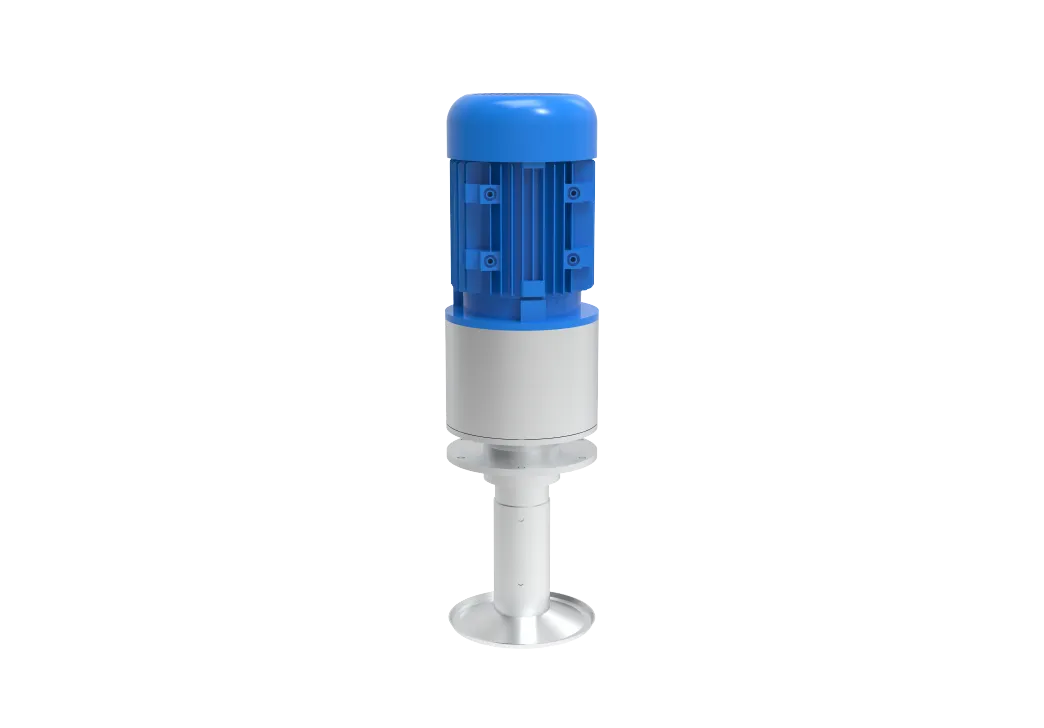
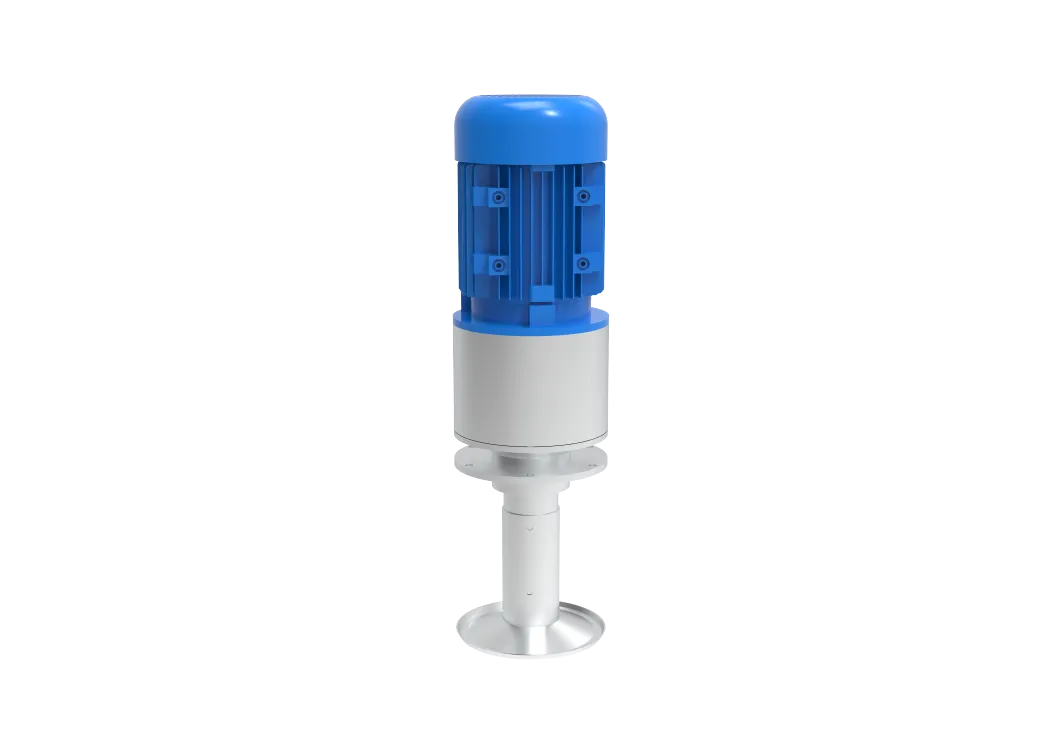
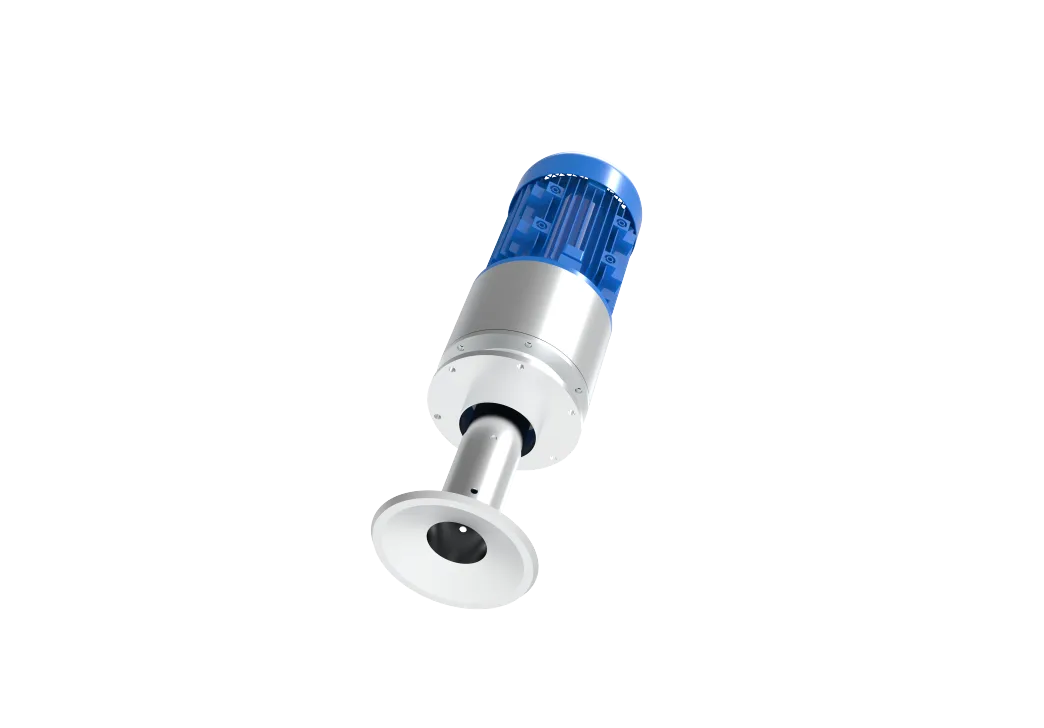
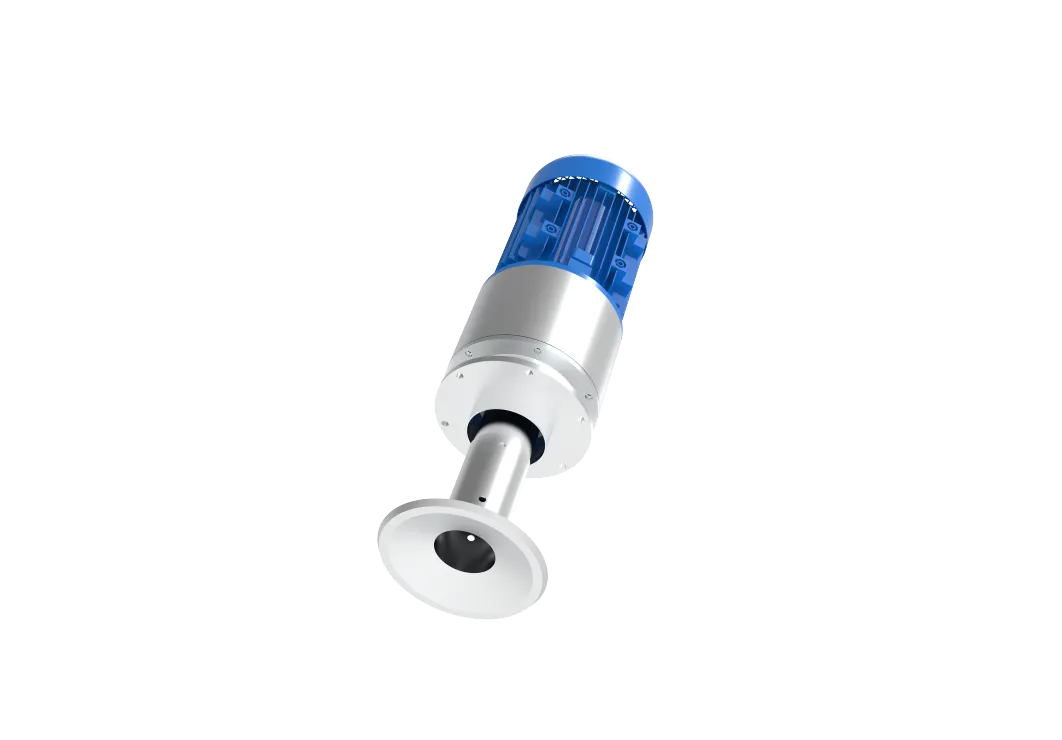
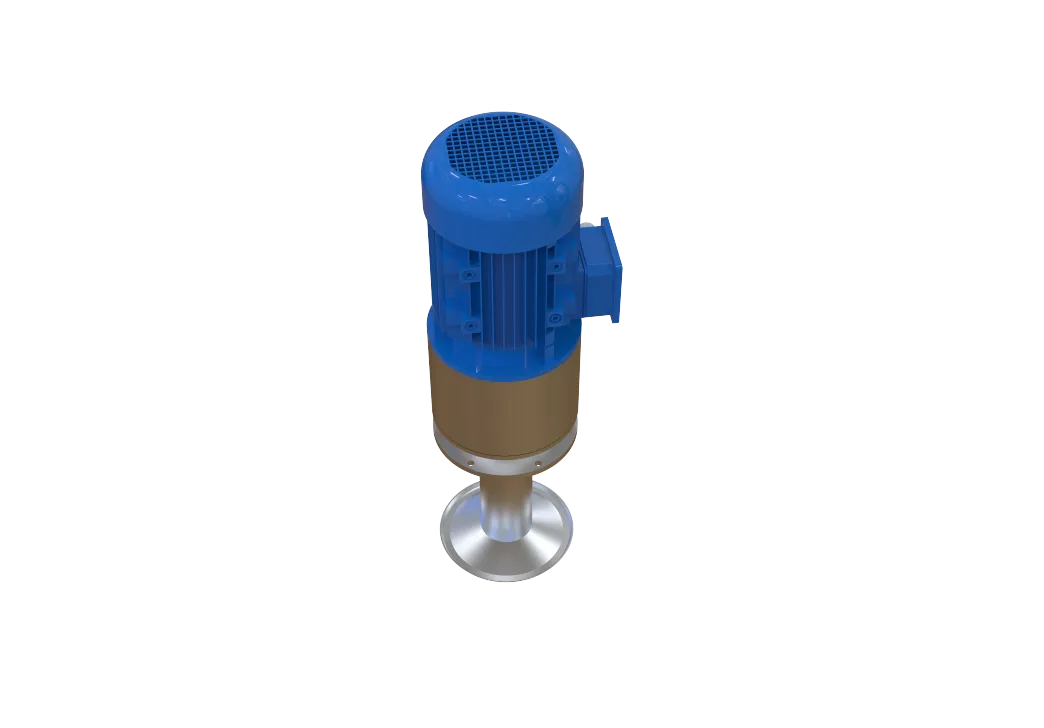
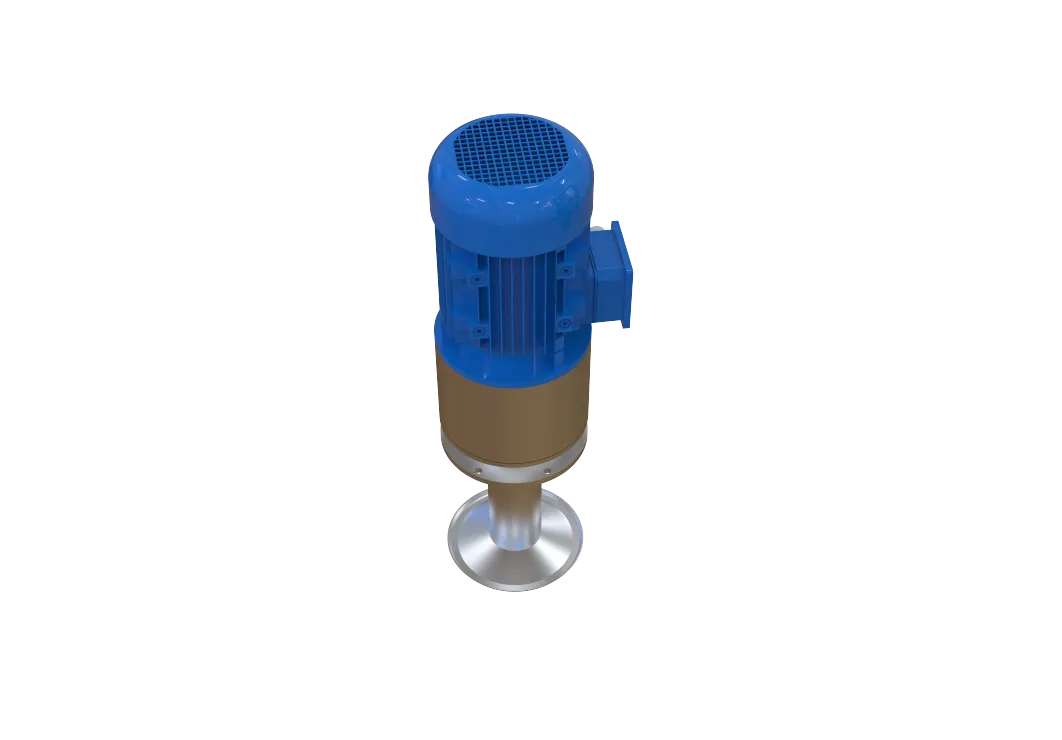
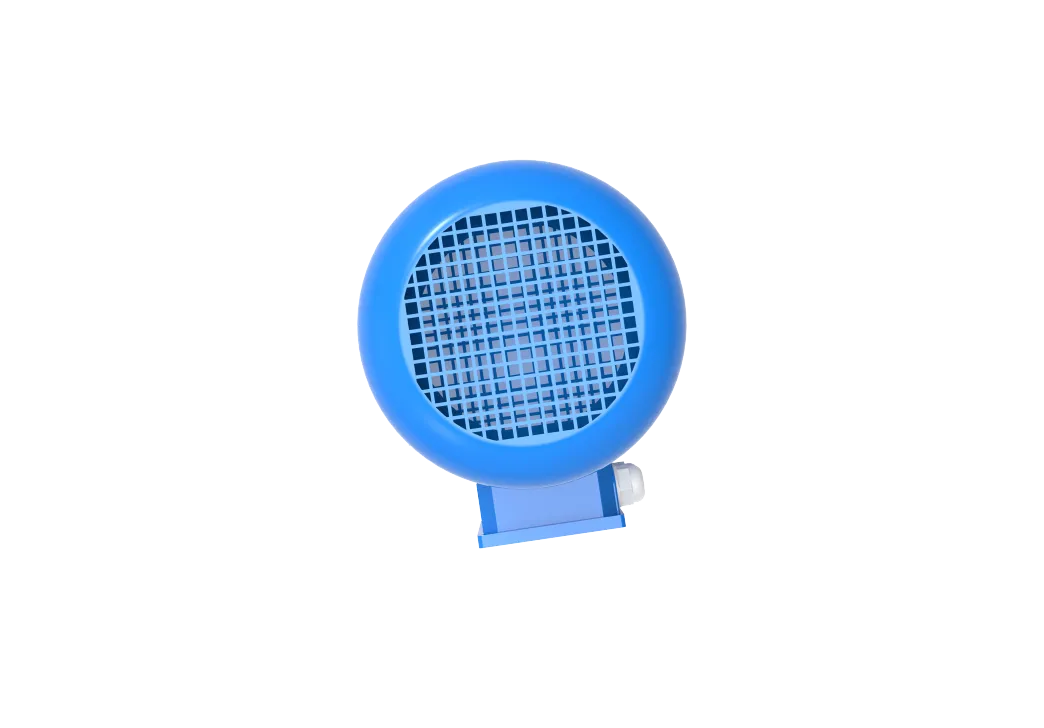
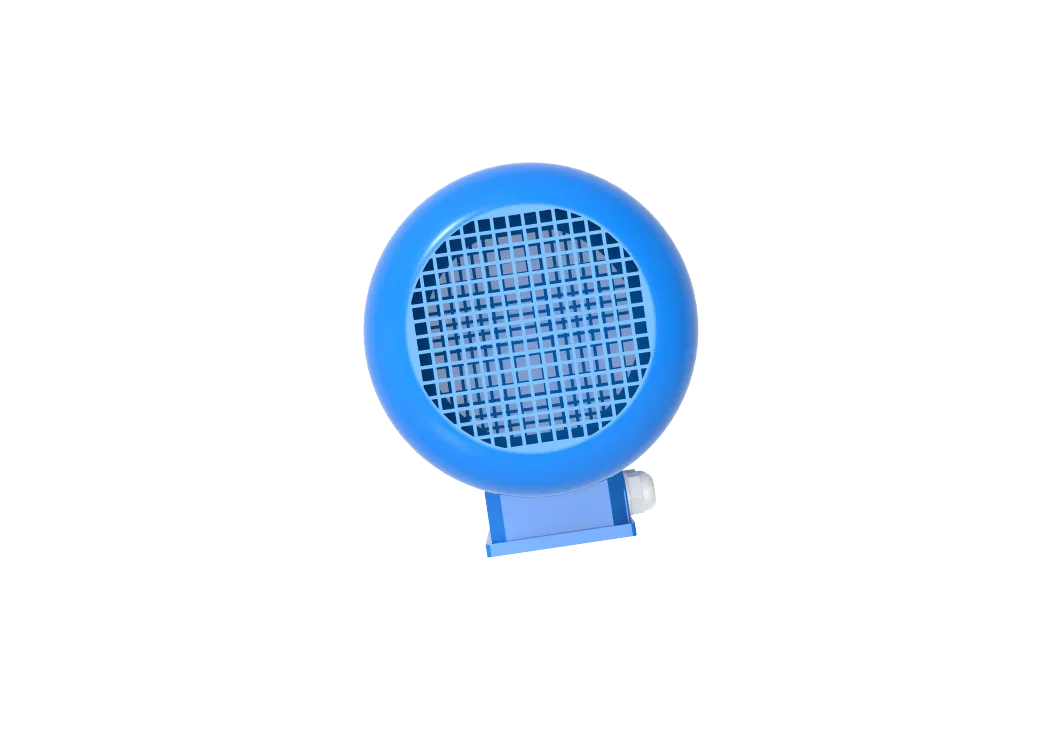
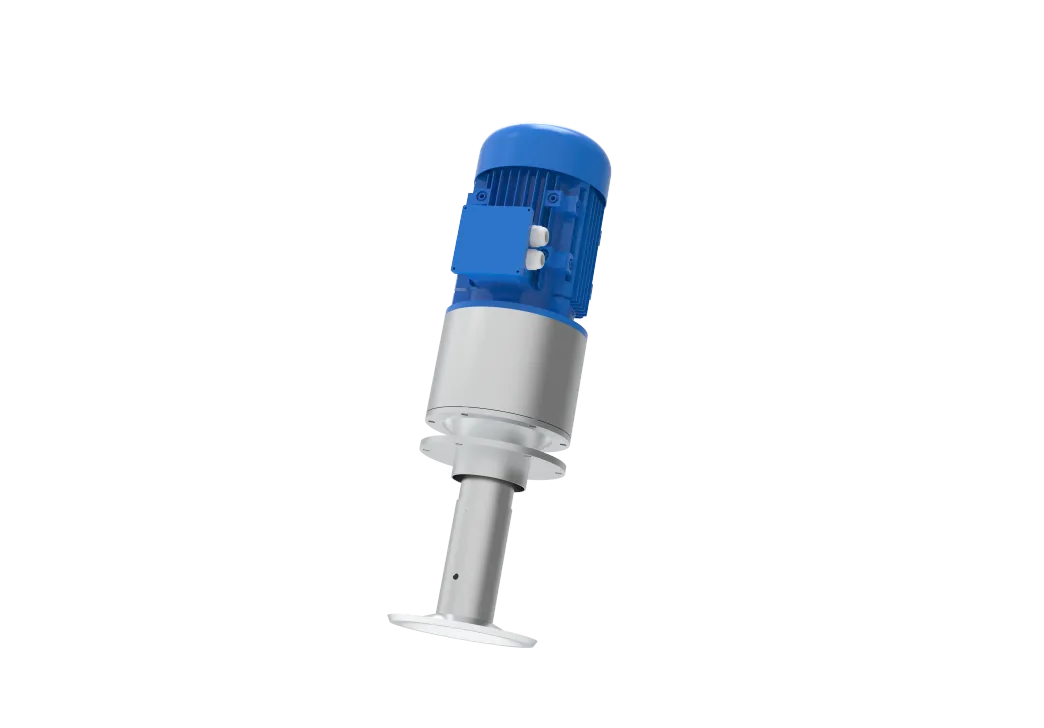
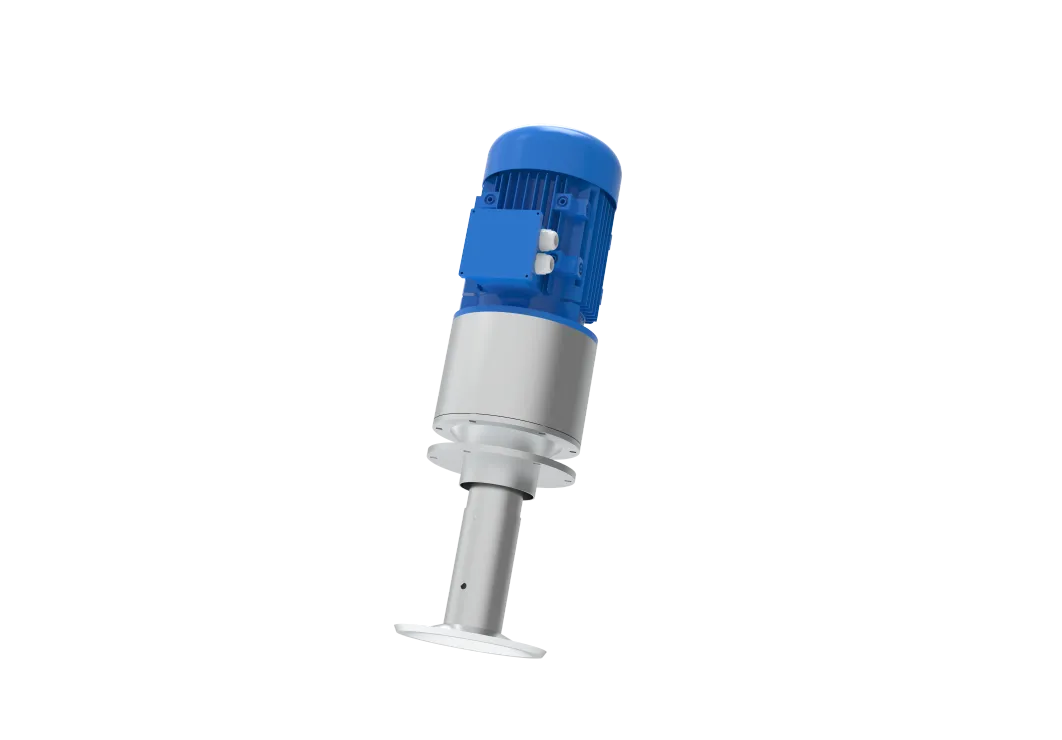
Foam management becomes more demanding when fermentation and other liquid processes are carried out in fully enclosed vessels. Aeration, agitation, microbial activity, and gas-liquid interaction can generate foam that rises into the vessel headspace. If the foam is not controlled effectively, it may carry valuable process liquid toward the exhaust system, reduce usable vessel volume, and increase the risk of liquid loss.
The BODF-I Sealed Mechanical Defoamer is designed for fully enclosed vessels, providing mechanical foam breaking and liquid recovery within a closed process arrangement. Instead of relying primarily on chemical antifoam agents, it uses a high-speed rotor to break foam and centrifugal force to separate the liquid released from the collapsed bubbles.
This makes BODF-I suitable for fermentation and other enclosed liquid-processing systems where foam control and reduction of liquid carryover are important process considerations.
Mechanical Defoaming Inside a Sealed Vessel
BODF-I is specifically designed for fully enclosed containers and tanks. Its configuration differs from the BODF Type II Open-Tank Mechanical Foam Breaker, which is intended for open vessels or process pools.
In a sealed fermentation system, foam can accumulate in the upper part of the vessel while the process continues under controlled aeration and agitation. Rather than allowing foam to travel further into the exhaust path, the mechanical defoamer provides a dedicated working zone for breaking the foam.
The high-speed rotor creates the mechanical force required to disrupt the foam structure. Once the bubbles are broken, the liquid released from the foam is separated through centrifugal action and directed toward the collection and return path.
The objective is therefore not simply to make the foam disappear. It is to break the foam while recovering the liquid associated with it.
How the BODF-I Mechanical Defoamer Works
Foam enters the working area of the defoamer through the inlet. A high-speed rotor then applies mechanical shear to the foam, causing the bubbles to break apart.
As the gas is released, the liquid contained within the foam is immediately subjected to centrifugal force. The liquid is thrown toward the equipment wall, where it forms a liquid flow.
Part of the separated liquid can return toward the fermentation vessel, while another portion passes through the porous structure of the equipment wall into the vortex collection section. The collected liquid is then returned to the vessel through the connected piping.
This combination of foam disruption, centrifugal separation, and liquid return is particularly relevant to fermentation processes where the material carried by foam may represent a meaningful loss of process liquid.
Supporting Enclosed Fermentation Processes
Fermentation often requires controlled aeration and mixing, both of which can contribute to foam formation. The resulting foam may contain fermentation broth and other valuable liquid-phase components.
A mechanical defoamer provides a way to manage this foam without making chemical antifoam dosing the only means of control.
By mechanically breaking foam and returning separated liquid to the vessel, BODF-I can help reduce foam-related liquid escape. It can also support more effective use of the vessel's available working volume by controlling foam accumulation in the headspace.
The actual impact depends on the fermentation medium, aeration rate, agitation conditions, foam characteristics, and overall process design. For this reason, the defoamer should be considered as part of the complete foam-control strategy rather than as an isolated piece of equipment.
Reducing Dependence on Chemical Antifoam Agents
Chemical antifoam agents are commonly used to suppress foam, but their presence can introduce additional considerations for fermentation and downstream processing.
A mechanical approach provides another option. Instead of relying entirely on chemical additives, BODF-I uses rotor-generated mechanical action to break the foam.
For processes where minimizing chemical antifoam addition is desirable, this can help shift foam management toward a physical separation approach. Reducing the amount of antifoam used may also simplify considerations associated with downstream separation, depending on the specific process and product.
Mechanical foam control does not necessarily eliminate the need for chemical antifoam in every application. Process conditions determine whether mechanical treatment can fully replace or simply reduce chemical dosing.
Applications for Enclosed Process Vessels
BODF-I can be applied to various enclosed processes where foam formation and liquid carryover need to be controlled.
Antibiotic Fermentation
Aerated antibiotic fermentation can produce persistent foam as microbial activity and gas-liquid contact increase. BODF-I provides mechanical foam breaking and liquid recovery within the enclosed fermentation system.
Amino Acid and Organic Fermentation
Foam can develop during biological conversion and aeration in amino acid and organic fermentation processes. Mechanical separation helps control accumulated foam while returning separated liquid to the process.
Yeast Cultivation
Yeast cultivation can generate substantial surface foam under aerated conditions. BODF-I offers a mechanical method for controlling foam without depending exclusively on chemical defoaming agents.
Vinegar Production
Aeration is an important part of many vinegar production processes and can contribute to foam formation. A sealed mechanical defoamer can be integrated into the enclosed process system to manage foam and associated liquid carryover.
Other Enclosed Liquid Processes
The same operating principle can be considered for other enclosed biological, food, chemical, or liquid-processing applications where foam develops during agitation or aeration.
The appropriate configuration depends on the vessel design, process medium, foam characteristics, and required foam-handling capacity.
Materials and Configuration Options
BODF-I can be configured for different industrial processing environments.
The equipment body is available in 304 stainless steel or 316L stainless steel. Electropolishing is available as an option when the application requires an enhanced surface finish.
Available sealing materials include:
- EPDM
- Silicone rubber
- FKM
The drive motor can be supplied in either a standard or explosion-proof configuration, allowing the equipment to be matched to the installation environment.
BODF-I is available across multiple foam-handling capacities. The BODF series covers capacities from 5 to 500 m³/h, with different power and speed configurations available across the range. Selection should be based on the vessel, foam generation conditions, aeration requirements, and process arrangement rather than capacity alone.
Working with Tail-Gas Treatment
In high-aeration fermentation, foam control and exhaust treatment can be closely related. Foam and liquid droplets may be carried toward the gas outlet when aeration rates increase.
BODF-I can be used together with a tail-gas condensation system to provide a more comprehensive approach to reducing liquid loss from an enclosed fermentation process.
The mechanical defoamer addresses foam within the vessel, while tail-gas condensation provides additional treatment for material carried with the outgoing gas stream. Combining the two approaches can be useful where high aeration creates greater potential for fermentation liquid loss.
A Sealed Approach to Foam and Liquid Recovery
For fully enclosed vessels, foam control is not only about maintaining a manageable headspace. It can also be part of controlling product carryover and maintaining the material balance of the process.
The BODF-I Sealed Mechanical Defoamer uses high-speed rotor shear to break foam, centrifugal force to separate the released liquid, and a collection-and-return path to send recovered liquid back to the vessel.
With configurations for different capacities, stainless-steel material options, selectable sealing materials, electropolishing as an option, and standard or explosion-proof motor choices, BODF-I can be adapted to a range of enclosed fermentation and liquid-processing systems.
For applications where the process vessel must remain fully enclosed while foam needs to be mechanically controlled, BODF-I provides a dedicated solution centered on mechanical foam breaking and liquid recovery.

Description
Foam management becomes more demanding when fermentation and other liquid processes are carried out in fully enclosed vessels. Aeration, agitation, microbial activity, and gas-liquid interaction can generate foam that rises into the vessel headspace. If the foam is not controlled effectively, it may carry valuable process liquid toward the exhaust system, reduce usable vessel volume, and increase the risk of liquid loss.
The BODF-I Sealed Mechanical Defoamer is designed for fully enclosed vessels, providing mechanical foam breaking and liquid recovery within a closed process arrangement. Instead of relying primarily on chemical antifoam agents, it uses a high-speed rotor to break foam and centrifugal force to separate the liquid released from the collapsed bubbles.
This makes BODF-I suitable for fermentation and other enclosed liquid-processing systems where foam control and reduction of liquid carryover are important process considerations.
Mechanical Defoaming Inside a Sealed Vessel
BODF-I is specifically designed for fully enclosed containers and tanks. Its configuration differs from the BODF Type II Open-Tank Mechanical Foam Breaker, which is intended for open vessels or process pools.
In a sealed fermentation system, foam can accumulate in the upper part of the vessel while the process continues under controlled aeration and agitation. Rather than allowing foam to travel further into the exhaust path, the mechanical defoamer provides a dedicated working zone for breaking the foam.
The high-speed rotor creates the mechanical force required to disrupt the foam structure. Once the bubbles are broken, the liquid released from the foam is separated through centrifugal action and directed toward the collection and return path.
The objective is therefore not simply to make the foam disappear. It is to break the foam while recovering the liquid associated with it.
How the BODF-I Mechanical Defoamer Works
Foam enters the working area of the defoamer through the inlet. A high-speed rotor then applies mechanical shear to the foam, causing the bubbles to break apart.
As the gas is released, the liquid contained within the foam is immediately subjected to centrifugal force. The liquid is thrown toward the equipment wall, where it forms a liquid flow.
Part of the separated liquid can return toward the fermentation vessel, while another portion passes through the porous structure of the equipment wall into the vortex collection section. The collected liquid is then returned to the vessel through the connected piping.
This combination of foam disruption, centrifugal separation, and liquid return is particularly relevant to fermentation processes where the material carried by foam may represent a meaningful loss of process liquid.
Supporting Enclosed Fermentation Processes
Fermentation often requires controlled aeration and mixing, both of which can contribute to foam formation. The resulting foam may contain fermentation broth and other valuable liquid-phase components.
A mechanical defoamer provides a way to manage this foam without making chemical antifoam dosing the only means of control.
By mechanically breaking foam and returning separated liquid to the vessel, BODF-I can help reduce foam-related liquid escape. It can also support more effective use of the vessel's available working volume by controlling foam accumulation in the headspace.
The actual impact depends on the fermentation medium, aeration rate, agitation conditions, foam characteristics, and overall process design. For this reason, the defoamer should be considered as part of the complete foam-control strategy rather than as an isolated piece of equipment.
Reducing Dependence on Chemical Antifoam Agents
Chemical antifoam agents are commonly used to suppress foam, but their presence can introduce additional considerations for fermentation and downstream processing.
A mechanical approach provides another option. Instead of relying entirely on chemical additives, BODF-I uses rotor-generated mechanical action to break the foam.
For processes where minimizing chemical antifoam addition is desirable, this can help shift foam management toward a physical separation approach. Reducing the amount of antifoam used may also simplify considerations associated with downstream separation, depending on the specific process and product.
Mechanical foam control does not necessarily eliminate the need for chemical antifoam in every application. Process conditions determine whether mechanical treatment can fully replace or simply reduce chemical dosing.
Applications for Enclosed Process Vessels
BODF-I can be applied to various enclosed processes where foam formation and liquid carryover need to be controlled.
Antibiotic Fermentation
Aerated antibiotic fermentation can produce persistent foam as microbial activity and gas-liquid contact increase. BODF-I provides mechanical foam breaking and liquid recovery within the enclosed fermentation system.
Amino Acid and Organic Fermentation
Foam can develop during biological conversion and aeration in amino acid and organic fermentation processes. Mechanical separation helps control accumulated foam while returning separated liquid to the process.
Yeast Cultivation
Yeast cultivation can generate substantial surface foam under aerated conditions. BODF-I offers a mechanical method for controlling foam without depending exclusively on chemical defoaming agents.
Vinegar Production
Aeration is an important part of many vinegar production processes and can contribute to foam formation. A sealed mechanical defoamer can be integrated into the enclosed process system to manage foam and associated liquid carryover.
Other Enclosed Liquid Processes
The same operating principle can be considered for other enclosed biological, food, chemical, or liquid-processing applications where foam develops during agitation or aeration.
The appropriate configuration depends on the vessel design, process medium, foam characteristics, and required foam-handling capacity.
Materials and Configuration Options
BODF-I can be configured for different industrial processing environments.
The equipment body is available in 304 stainless steel or 316L stainless steel. Electropolishing is available as an option when the application requires an enhanced surface finish.
Available sealing materials include:
- EPDM
- Silicone rubber
- FKM
The drive motor can be supplied in either a standard or explosion-proof configuration, allowing the equipment to be matched to the installation environment.
BODF-I is available across multiple foam-handling capacities. The BODF series covers capacities from 5 to 500 m³/h, with different power and speed configurations available across the range. Selection should be based on the vessel, foam generation conditions, aeration requirements, and process arrangement rather than capacity alone.
Working with Tail-Gas Treatment
In high-aeration fermentation, foam control and exhaust treatment can be closely related. Foam and liquid droplets may be carried toward the gas outlet when aeration rates increase.
BODF-I can be used together with a tail-gas condensation system to provide a more comprehensive approach to reducing liquid loss from an enclosed fermentation process.
The mechanical defoamer addresses foam within the vessel, while tail-gas condensation provides additional treatment for material carried with the outgoing gas stream. Combining the two approaches can be useful where high aeration creates greater potential for fermentation liquid loss.
A Sealed Approach to Foam and Liquid Recovery
For fully enclosed vessels, foam control is not only about maintaining a manageable headspace. It can also be part of controlling product carryover and maintaining the material balance of the process.
The BODF-I Sealed Mechanical Defoamer uses high-speed rotor shear to break foam, centrifugal force to separate the released liquid, and a collection-and-return path to send recovered liquid back to the vessel.
With configurations for different capacities, stainless-steel material options, selectable sealing materials, electropolishing as an option, and standard or explosion-proof motor choices, BODF-I can be adapted to a range of enclosed fermentation and liquid-processing systems.
For applications where the process vessel must remain fully enclosed while foam needs to be mechanically controlled, BODF-I provides a dedicated solution centered on mechanical foam breaking and liquid recovery.
Application


Specifications
| Model | BODF-I-5 | BODF-I-10 | BODF-I-20 | BODF-I-30 | BODF-I-40 | BODF-I-60 | BODF-I-80 | BODF-I-100 | BODF-I-200 | BODF-I-300 | BODF-I-500 | |
|---|---|---|---|---|---|---|---|---|---|---|---|---|
| Power | 0.37 | 0.75 | 1.1 | 2.2 | 3.0 | 4.0 | 5.5 | 7.5 | 15 | 22 | 30 | kw |
| Rotational Speed | 2800 | 2800 | 2850 | 2850 | 2850 | 2850 | 2850 | 2900 | 2900 | 2900 | 2900 | rpm |
| Foam Elimination Capacity | 5 | 10 | 20 | 30 | 40 | 60 | 80 | 100 | 200 | 300 | 500 | m³/h |
Advantage Comparison


GET IN TOUCH NOW


