


Fermenter Bottom Aerator


Aerobic fermentation depends on more than simply supplying air to the tank. Oxygen needs to be introduced into the liquid, dispersed effectively, and brought into contact with the fermentation medium. At the same time, the liquid must remain sufficiently mixed to prevent poorly aerated zones from developing inside the vessel.
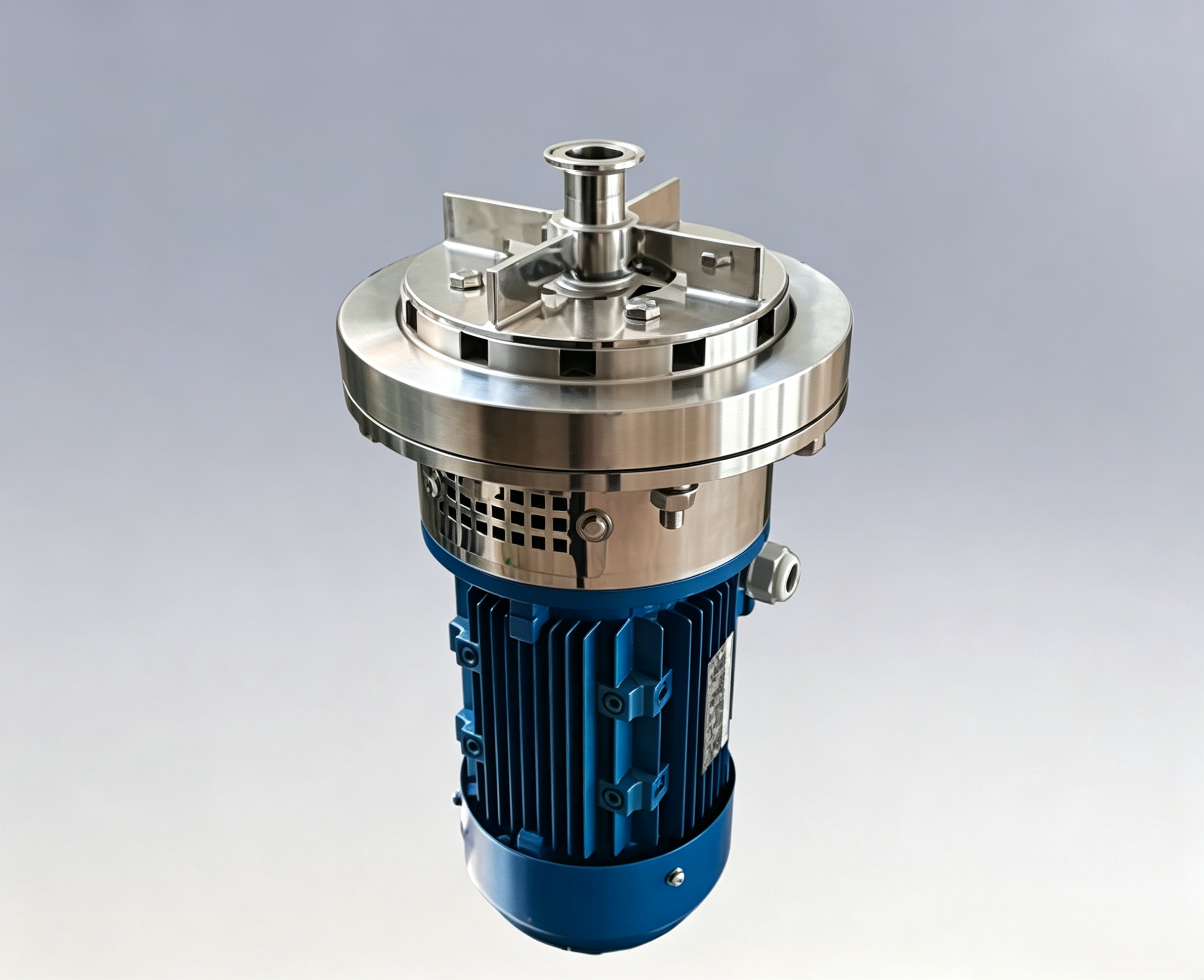
The DAWT Fermenter Bottom Aerator is designed for this purpose. Installed directly at the bottom of a fermentation tank, it combines air induction, gas-liquid mixing, and mechanical dispersion in a single unit.
Instead of using a separate air blower and conventional diffuser arrangement, the DAWT uses a rotor-stator assembly to draw air into the liquid and disperse it into fine bubbles while creating liquid circulation. This makes it suitable for aerobic fermentation processes where oxygen transfer and mixing need to take place together.
A Rotor-Stator Design for Gas-Liquid Mixing
The operating principle of the DAWT is based on the interaction between a rotating impeller and a surrounding stator, or distributor.
As the rotor turns, a low-pressure area is created inside the stator. Atmospheric air is drawn through the dedicated air pipe and enters the rotor-stator zone together with the liquid.
The rotating impeller supplies the mechanical energy required to mix the two phases. As the gas-liquid mixture passes through the stator channels, the air is dispersed into fine bubbles. The product design specifies bubbles of approximately 100 μm, creating a relatively large gas-liquid contact area for oxygen transfer.
This is an important distinction from simply bubbling air into a tank. The DAWT actively combines air induction with mechanical dispersion, allowing aeration and mixing to be handled at the same location.
Why Bottom-Mounted Aeration Matters
The installation position is an important part of the DAWT design.
Because the aerator is mounted at the bottom of the fermentation vessel, air enters the liquid from the lower section of the tank. The gas-liquid mixture can then participate in circulation through the working volume.
For aerobic fermentation, this arrangement can help reduce the dependence on surface-level air introduction and provides a direct way of combining oxygen supply with liquid movement.
The bottom-mounted configuration can also simplify the equipment arrangement around the vessel. Rather than installing a separate gas-liquid mixing device outside the tank, the aeration function is incorporated into the tank-bottom assembly.
The actual performance, however, depends on the complete fermentation system. Tank geometry, working volume, liquid properties, operating speed, air demand, and other agitation equipment should all be considered when selecting the appropriate DAWT model.
Air Induction Without a Separate Air Mixing Chamber
One of the practical features of the DAWT is its ability to induce atmospheric air through the air pipe as the rotor operates.
The rotating impeller generates the pressure conditions needed to draw air into the mixing zone. Air and liquid then enter the rotor-stator assembly, where they are mixed before being discharged through the distributor.
This integrated arrangement reduces the need to treat air supply and liquid mixing as completely separate operations.
For fermentation equipment manufacturers and process engineers, this can be useful when designing systems where space, equipment integration, and direct gas-liquid contact are important considerations.
Built for Hygienic Fermentation Equipment
The DAWT is available in 304 or 316L stainless steel, allowing the construction material to be selected according to the process and equipment requirements.
For applications requiring a smoother hygienic surface, electropolishing is available as an option.
Different sealing materials can also be specified, including EPDM, silicone rubber, and fluororubber, depending on the operating conditions and compatibility requirements of the process.
The motor can be supplied in either a standard or explosion-proof configuration, providing flexibility for different plant environments.
These options are particularly relevant when the aerator forms part of a larger fermentation system where material compatibility, cleaning requirements, and operating conditions need to be considered together.
Matching the Aerator to the Fermentation Process
The DAWT series covers a range of equipment sizes rather than relying on a single aerator configuration.
The smaller models use higher operating speeds and are suited to lower air and liquid capacities, while larger models use a lower rotational speed and provide greater processing capacity. Across the series, motor power ranges from 0.75 kW to 18.5 kW, while the listed air intake capacity extends from approximately 11 to 330 Nm³/h.
These figures should be treated as model-specific technical information rather than universal operating values. Aerator selection should be based on the actual fermentation conditions, including tank size, working volume, oxygen requirement, medium characteristics, and the desired gas-liquid mixing performance.
The DAWT should therefore be specified as part of the complete fermentation system rather than selected solely according to vessel volume.
Applications in Aerobic Fermentation
The main application of the DAWT is oxygen supply and gas-liquid mixing in aerobic fermentation.
In biopharmaceutical processing, it can be used for oxygenation during aerobic fermentation where microorganisms or cells require a continuous oxygen supply.
In food processing, the aerator can support fermentation processes such as vinegar production, where controlled oxygen supply is an important part of the process.
It can also be applied to vinegar beverage fermentation and other gas-liquid fermentation processes where mechanical aeration and mixing are required.
The suitability of the aerator depends on the specific process and should be evaluated together with the fermentation vessel, agitation system, air supply, and cleaning strategy.
Installation and Rotation Requirements
Correct installation is important for the operation of a DAWT aerator.
The rotor is designed to operate in a specified direction and must not be operated in reverse. When viewed from the motor side toward the machine, the specified rotation direction is clockwise.
The rotor and stator form the core working components of the aerator, so correct alignment, motor configuration, and installation should be confirmed before commissioning.
For a complete fermentation installation, these mechanical requirements should be considered alongside the vessel design and process control system.
A Compact Approach to Fermentation Aeration
The DAWT Bottom-Mounted Aerator brings several functions into one piece of equipment: air induction, mechanical mixing, and gas dispersion.
Its rotor-stator structure draws air into the liquid, mixes the gas and liquid phases, and disperses the air through the bottom-mounted assembly. Combined with stainless steel construction and optional electropolishing, multiple sealing materials, and standard or explosion-proof motor configurations, the DAWT can be adapted to different fermentation equipment requirements.
For fermentation system designers, the key is not simply choosing an aerator with a certain air capacity. The unit needs to work with the tank geometry, fermentation medium, oxygen demand, and overall agitation strategy. BOAO can configure the DAWT series according to these process conditions to provide a more suitable aeration and mixing solution.

Description
Aerobic fermentation depends on more than simply supplying air to the tank. Oxygen needs to be introduced into the liquid, dispersed effectively, and brought into contact with the fermentation medium. At the same time, the liquid must remain sufficiently mixed to prevent poorly aerated zones from developing inside the vessel.
The DAWT Fermenter Bottom Aerator is designed for this purpose. Installed directly at the bottom of a fermentation tank, it combines air induction, gas-liquid mixing, and mechanical dispersion in a single unit.
Instead of using a separate air blower and conventional diffuser arrangement, the DAWT uses a rotor-stator assembly to draw air into the liquid and disperse it into fine bubbles while creating liquid circulation. This makes it suitable for aerobic fermentation processes where oxygen transfer and mixing need to take place together.
A Rotor-Stator Design for Gas-Liquid Mixing
The operating principle of the DAWT is based on the interaction between a rotating impeller and a surrounding stator, or distributor.
As the rotor turns, a low-pressure area is created inside the stator. Atmospheric air is drawn through the dedicated air pipe and enters the rotor-stator zone together with the liquid.
The rotating impeller supplies the mechanical energy required to mix the two phases. As the gas-liquid mixture passes through the stator channels, the air is dispersed into fine bubbles. The product design specifies bubbles of approximately 100 μm, creating a relatively large gas-liquid contact area for oxygen transfer.
This is an important distinction from simply bubbling air into a tank. The DAWT actively combines air induction with mechanical dispersion, allowing aeration and mixing to be handled at the same location.
Why Bottom-Mounted Aeration Matters
The installation position is an important part of the DAWT design.
Because the aerator is mounted at the bottom of the fermentation vessel, air enters the liquid from the lower section of the tank. The gas-liquid mixture can then participate in circulation through the working volume.
For aerobic fermentation, this arrangement can help reduce the dependence on surface-level air introduction and provides a direct way of combining oxygen supply with liquid movement.
The bottom-mounted configuration can also simplify the equipment arrangement around the vessel. Rather than installing a separate gas-liquid mixing device outside the tank, the aeration function is incorporated into the tank-bottom assembly.
The actual performance, however, depends on the complete fermentation system. Tank geometry, working volume, liquid properties, operating speed, air demand, and other agitation equipment should all be considered when selecting the appropriate DAWT model.
Air Induction Without a Separate Air Mixing Chamber
One of the practical features of the DAWT is its ability to induce atmospheric air through the air pipe as the rotor operates.
The rotating impeller generates the pressure conditions needed to draw air into the mixing zone. Air and liquid then enter the rotor-stator assembly, where they are mixed before being discharged through the distributor.
This integrated arrangement reduces the need to treat air supply and liquid mixing as completely separate operations.
For fermentation equipment manufacturers and process engineers, this can be useful when designing systems where space, equipment integration, and direct gas-liquid contact are important considerations.
Built for Hygienic Fermentation Equipment
The DAWT is available in 304 or 316L stainless steel, allowing the construction material to be selected according to the process and equipment requirements.
For applications requiring a smoother hygienic surface, electropolishing is available as an option.
Different sealing materials can also be specified, including EPDM, silicone rubber, and fluororubber, depending on the operating conditions and compatibility requirements of the process.
The motor can be supplied in either a standard or explosion-proof configuration, providing flexibility for different plant environments.
These options are particularly relevant when the aerator forms part of a larger fermentation system where material compatibility, cleaning requirements, and operating conditions need to be considered together.
Matching the Aerator to the Fermentation Process
The DAWT series covers a range of equipment sizes rather than relying on a single aerator configuration.
The smaller models use higher operating speeds and are suited to lower air and liquid capacities, while larger models use a lower rotational speed and provide greater processing capacity. Across the series, motor power ranges from 0.75 kW to 18.5 kW, while the listed air intake capacity extends from approximately 11 to 330 Nm³/h.
These figures should be treated as model-specific technical information rather than universal operating values. Aerator selection should be based on the actual fermentation conditions, including tank size, working volume, oxygen requirement, medium characteristics, and the desired gas-liquid mixing performance.
The DAWT should therefore be specified as part of the complete fermentation system rather than selected solely according to vessel volume.
Applications in Aerobic Fermentation
The main application of the DAWT is oxygen supply and gas-liquid mixing in aerobic fermentation.
In biopharmaceutical processing, it can be used for oxygenation during aerobic fermentation where microorganisms or cells require a continuous oxygen supply.
In food processing, the aerator can support fermentation processes such as vinegar production, where controlled oxygen supply is an important part of the process.
It can also be applied to vinegar beverage fermentation and other gas-liquid fermentation processes where mechanical aeration and mixing are required.
The suitability of the aerator depends on the specific process and should be evaluated together with the fermentation vessel, agitation system, air supply, and cleaning strategy.
Installation and Rotation Requirements
Correct installation is important for the operation of a DAWT aerator.
The rotor is designed to operate in a specified direction and must not be operated in reverse. When viewed from the motor side toward the machine, the specified rotation direction is clockwise.
The rotor and stator form the core working components of the aerator, so correct alignment, motor configuration, and installation should be confirmed before commissioning.
For a complete fermentation installation, these mechanical requirements should be considered alongside the vessel design and process control system.
A Compact Approach to Fermentation Aeration
The DAWT Bottom-Mounted Aerator brings several functions into one piece of equipment: air induction, mechanical mixing, and gas dispersion.
Its rotor-stator structure draws air into the liquid, mixes the gas and liquid phases, and disperses the air through the bottom-mounted assembly. Combined with stainless steel construction and optional electropolishing, multiple sealing materials, and standard or explosion-proof motor configurations, the DAWT can be adapted to different fermentation equipment requirements.
For fermentation system designers, the key is not simply choosing an aerator with a certain air capacity. The unit needs to work with the tank geometry, fermentation medium, oxygen demand, and overall agitation strategy. BOAO can configure the DAWT series according to these process conditions to provide a more suitable aeration and mixing solution.
Application


Specifications
| Model | DAWT7.5 | DAWT15 | DAWT22 | DAWT40 | DAWT55 | DAWT75 | DAWT110 | DAWT150 | DAWT185 | |
|---|---|---|---|---|---|---|---|---|---|---|
| Air Inlet | 32 | 32 | 50 | 50 | 65 | 80 | 80 | 100 | 100 | mm |
| No. of Outlets | 8 | 8 | 8 | 12 | 12 | 16 | 16 | 16 | 16 | |
| Power | 0.75 | 1.5 | 2.2 | 4 | 5.5 | 7.5 | 11 | 15 | 18.5 | kw |
| Rotational Speed | 2900 | 2900 | 2900 | 2900 | 2900 | 1450 | 1450 | 1450 | 1450 | |
| Air Flow Rate | 11 | 25 | 36 | 60 | 90 | 125 | 200 | 250 | 330 | Nm³/h |
| Oxygenation Capacity | 0.35-0.6 | 1.0-1.4 | 1.8-2.8 | 3.5-5.0 | 5.5-7.7 | 8.2-11.3 | 13-18 | 17-23 | 20-27 | kgO₂/h |
| Applicable Tank Volume | 0.01-0.05 | 0.05-0.6 | 0.5-1.0 | 0.8-3 | 2.5-8 | 5-10 | 8-25 | 20-35 | 30-50 | t |
Advantage Comparison


GET IN TOUCH NOW


