


Powder Induction Pump
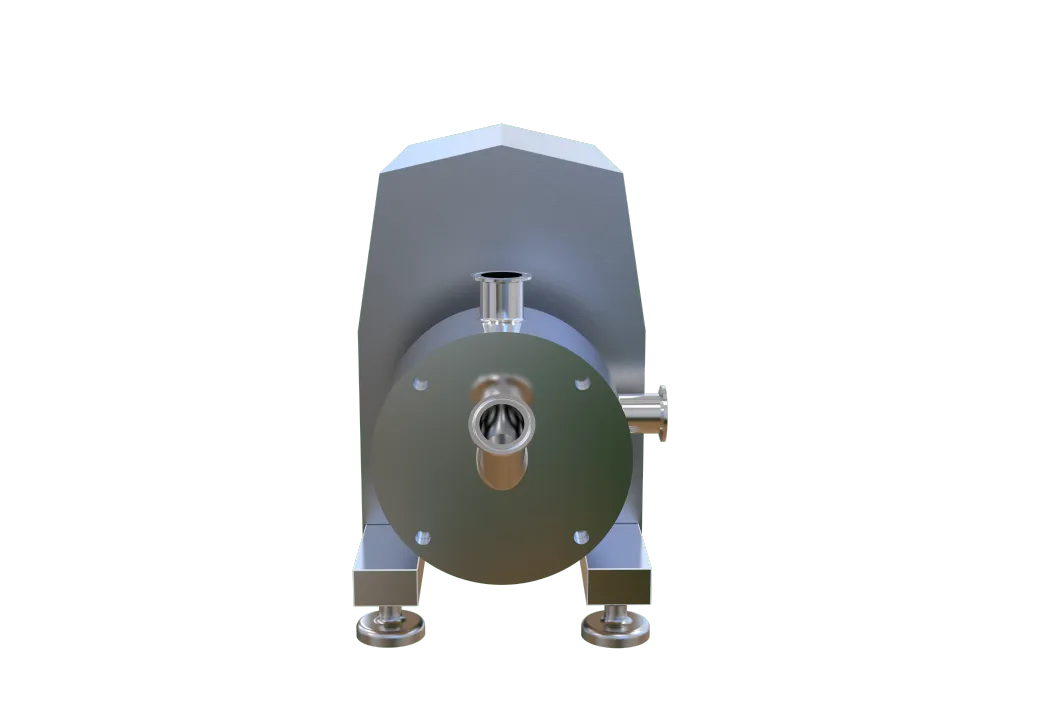
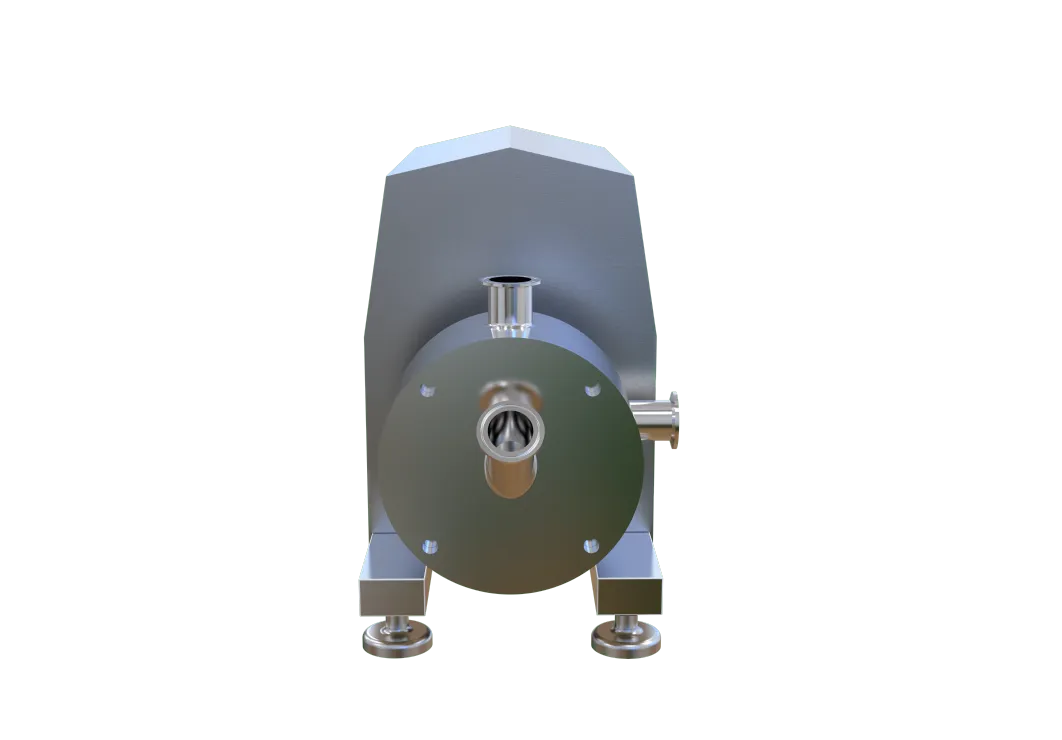
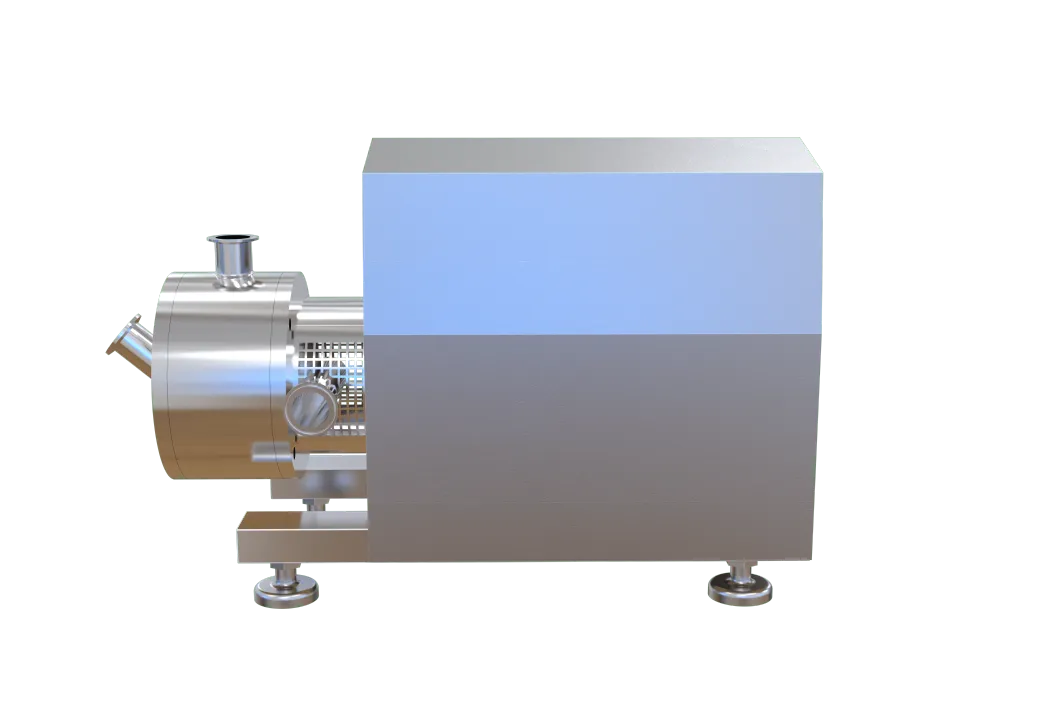
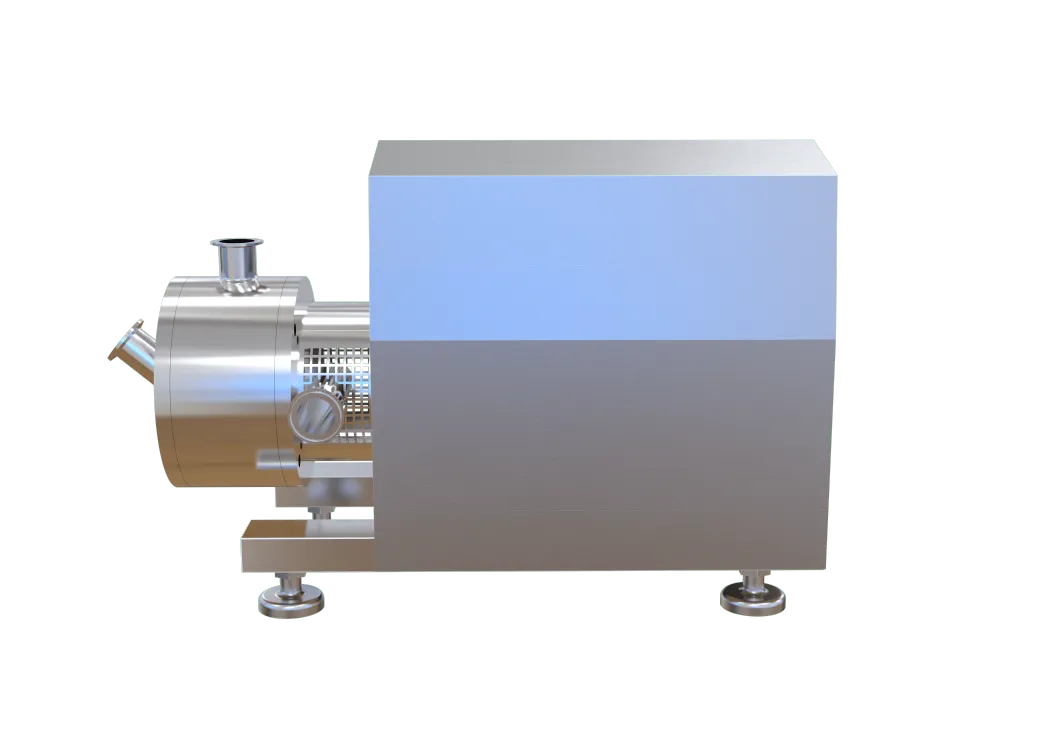
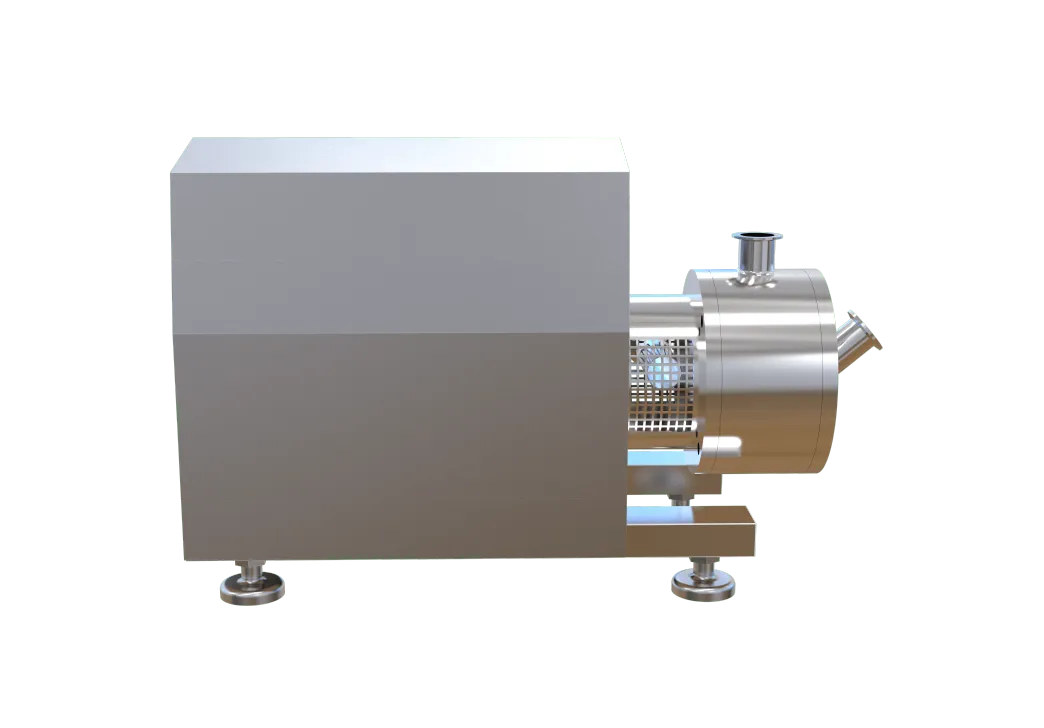
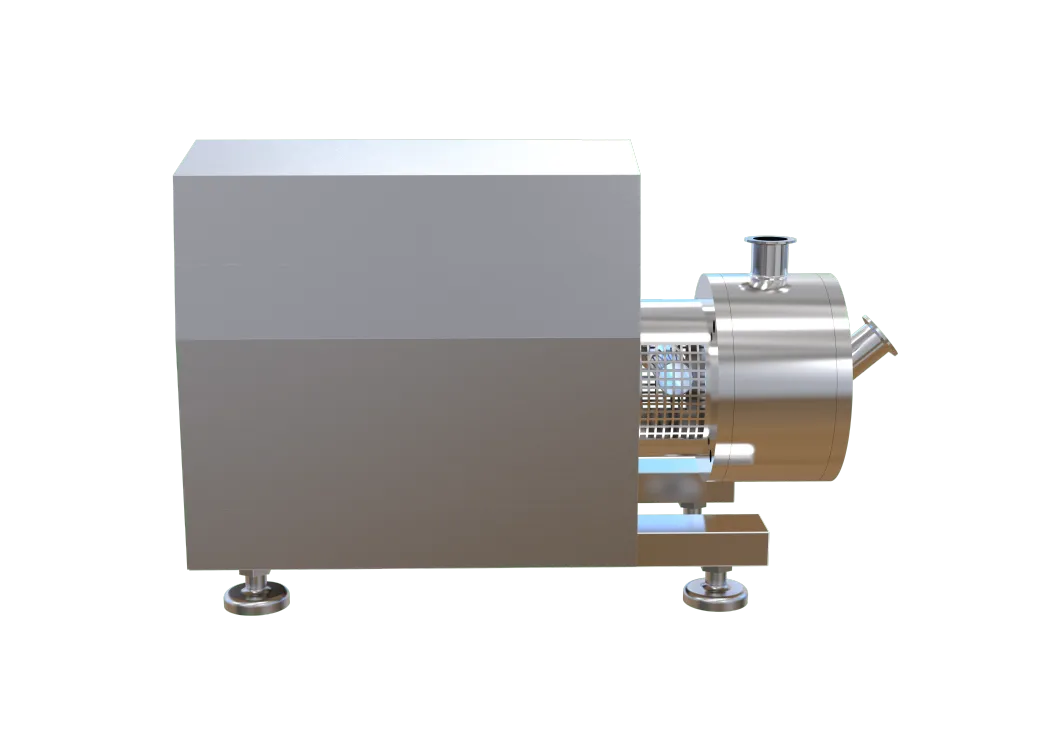


The Powder Induction Pump is designed for dust-free powder feeding, rapid powder wetting, and efficient solid-liquid dispersion. By using a specially designed dispersion chamber, the system creates an induction effect inside the liquid flow, allowing powder materials to be continuously drawn into the liquid phase and dispersed evenly.
Unlike traditional powder addition methods, where powders may float on the liquid surface, create dust, or form agglomerates, the Powder Induction Pump introduces powder directly into the high-energy dispersion zone. This allows powder and liquid to interact only within the controlled mixing area, improving wetting efficiency and reducing material loss.
The system is suitable for industries requiring hygienic and reliable powder incorporation, including food, pharmaceutical, cosmetic, and other high-cleanliness processing applications.
What Is a Powder Induction Pump?
A Powder Induction Pump is an inline powder feeding and dispersion system installed outside the processing vessel. It connects to the tank through pipelines or flexible hoses and uses liquid circulation to generate the suction effect required for powder induction.
The system integrates:
- Powder induction
- Powder wetting
- Solid-liquid dispersion
- Inline circulation processing
During operation, powder can be directly introduced from bags, hoppers, drums, containers, big bags, or storage silos without open manual feeding, helping reduce dust generation and improve production cleanliness.
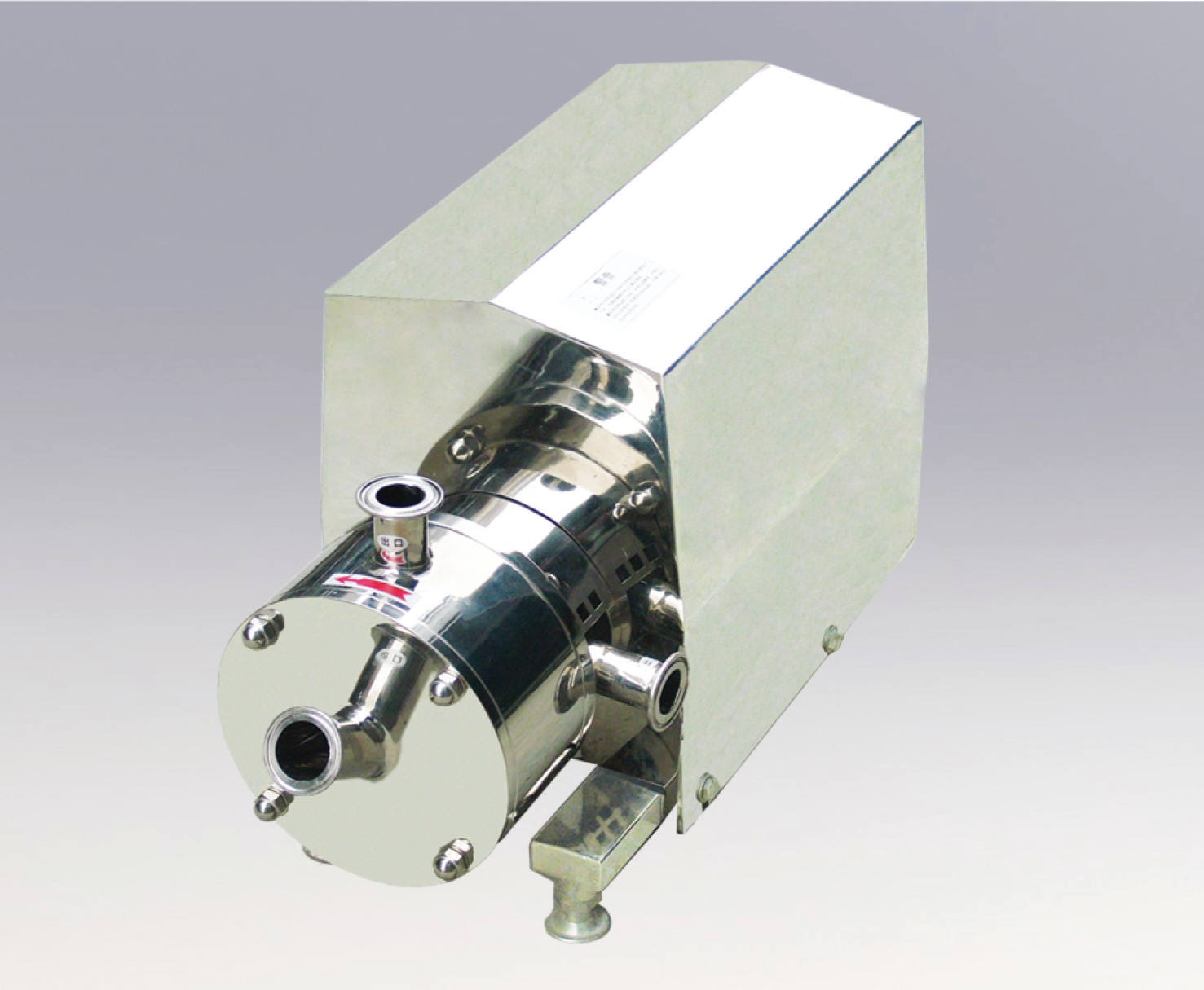
Working Principle of Powder Induction Pump
The Powder Induction Pump works through a controlled powder induction and dispersion process.
Separate Powder and Liquid Feeding
Powder and liquid enter the dispersion chamber through different passages. The two materials do not contact each other until reaching the specially designed dispersion and wetting area.
Vacuum-Assisted Powder Induction
When liquid passes through the dispersion zone at high speed, a local vacuum area is generated inside the liquid flow. This vacuum draws powder into the liquid and enables continuous powder feeding.
Rapid Wetting and Dispersion
Under vacuum conditions, the air contained between powder particles expands the distance between particles, allowing liquid to penetrate the powder more effectively.
At the same time, the increased particle movement helps reduce powder agglomeration and improves dispersion efficiency.
Continuous Circulation Processing
After powder induction, the material can continue circulating through the system until the required particle distribution, uniformity, or consistency is achieved.
The same equipment can also transfer processed material to another storage vessel, simplifying production processes.
Key Advantages of Powder Induction Pump
Dust-Free Powder Feeding
Traditional manual powder feeding may cause powder scattering, environmental contamination, and material loss.
The Powder Induction Pump provides a closed powder feeding method that allows direct induction from:
- Powder bags
- Hoppers
- Drums
- Containers
- Big bags
- Storage silos
This design helps create a cleaner working environment and improves powder handling efficiency.
Efficient Powder Wetting and Dispersion
Powder materials often require sufficient contact with liquid to avoid floating, clumping, or uneven distribution.
The Powder Induction Pump improves powder-liquid contact through:
- Controlled powder introduction
- High-speed liquid flow
- Dedicated dispersion area
- Continuous circulation
This helps achieve more uniform solid-liquid dispersion.
External Installation and Flexible Connection
The pump is installed outside the processing vessel and connected through pipelines or hoses.
This structure provides:
- Flexible installation options
- Convenient maintenance
- Easy integration into existing production systems
- Reduced space requirements inside the tank
Hygienic Design for Clean Processing
The Powder Induction Pump adopts a reasonable structural design for applications requiring high cleanliness.
Features include:
- Stainless steel construction options
- Easy cleaning and disassembly
- Reduced contamination risk
- Suitable for hygienic production environments
Materials such as 304 or 316L stainless steel can be selected according to application requirements.
Technical Features
The Powder Induction Pump can be configured according to different production conditions.
Main features include:
- External installation design
- Pipeline or hose connection
- Inline powder induction and dispersion
- Suitable for atmospheric, vacuum, and pressure operating conditions
- Single mechanical seal or double mechanical seal options
- Operating temperature up to 160°C (higher temperatures can be customized)
- Standard motor or explosion-proof motor options
- Stainless steel 304 or 316L material options
Applications of Powder Induction Pump
Food Processing
The Powder Induction Pump can be used for powder incorporation processes involving:
- Food ingredients
- Stabilizers
- Thickening agents
- Beverage powders
- Functional additives
The enclosed feeding method helps improve processing cleanliness and consistency.
Pharmaceutical Processing
For pharmaceutical production requiring controlled powder dispersion, the system can be applied in processes involving:
- Powder-liquid preparation
- Solid-liquid mixing
- Dispersion of pharmaceutical ingredients
Equipment configuration should be selected according to specific process and hygiene requirements.
Cosmetic Manufacturing
The Powder Induction Pump is suitable for incorporating powder ingredients into liquid formulations, including:
- Cream bases
- Emulsion products
- Personal care formulations
- Functional cosmetic ingredients
Important Selection Considerations
The powder induction capacity and processing flow depend on material characteristics, including:
- Powder properties
- Liquid viscosity
- Liquid density
- Solid content
- Required product quality
The Powder Induction Pump has short-distance conveying capability but does not have independent self-priming capability.
For applications involving high-viscosity materials, high solid content, or insufficient feeding conditions, an additional feeding or pressure pump may be required. The selected feeding pump should match the pressure and flow requirements of the Powder Induction Pump.
Proper equipment selection should be based on actual process conditions to ensure stable operation and consistent product quality.
The Powder Induction Pump provides an efficient solution for dust-free powder feeding and inline solid-liquid dispersion. Through vacuum-assisted powder induction, controlled wetting, and continuous circulation processing, it helps manufacturers simplify powder handling processes while improving production cleanliness and mixing consistency.
With its flexible installation, hygienic design, and adaptable configuration, the Powder Induction Pump is a practical choice for industries requiring reliable powder incorporation and efficient liquid processing.

Description
The Powder Induction Pump is designed for dust-free powder feeding, rapid powder wetting, and efficient solid-liquid dispersion. By using a specially designed dispersion chamber, the system creates an induction effect inside the liquid flow, allowing powder materials to be continuously drawn into the liquid phase and dispersed evenly.
Unlike traditional powder addition methods, where powders may float on the liquid surface, create dust, or form agglomerates, the Powder Induction Pump introduces powder directly into the high-energy dispersion zone. This allows powder and liquid to interact only within the controlled mixing area, improving wetting efficiency and reducing material loss.
The system is suitable for industries requiring hygienic and reliable powder incorporation, including food, pharmaceutical, cosmetic, and other high-cleanliness processing applications.
What Is a Powder Induction Pump?
A Powder Induction Pump is an inline powder feeding and dispersion system installed outside the processing vessel. It connects to the tank through pipelines or flexible hoses and uses liquid circulation to generate the suction effect required for powder induction.
The system integrates:
- Powder induction
- Powder wetting
- Solid-liquid dispersion
- Inline circulation processing
During operation, powder can be directly introduced from bags, hoppers, drums, containers, big bags, or storage silos without open manual feeding, helping reduce dust generation and improve production cleanliness.
Working Principle of Powder Induction Pump
The Powder Induction Pump works through a controlled powder induction and dispersion process.
Separate Powder and Liquid Feeding
Powder and liquid enter the dispersion chamber through different passages. The two materials do not contact each other until reaching the specially designed dispersion and wetting area.
Vacuum-Assisted Powder Induction
When liquid passes through the dispersion zone at high speed, a local vacuum area is generated inside the liquid flow. This vacuum draws powder into the liquid and enables continuous powder feeding.
Rapid Wetting and Dispersion
Under vacuum conditions, the air contained between powder particles expands the distance between particles, allowing liquid to penetrate the powder more effectively.
At the same time, the increased particle movement helps reduce powder agglomeration and improves dispersion efficiency.
Continuous Circulation Processing
After powder induction, the material can continue circulating through the system until the required particle distribution, uniformity, or consistency is achieved.
The same equipment can also transfer processed material to another storage vessel, simplifying production processes.
Key Advantages of Powder Induction Pump
Dust-Free Powder Feeding
Traditional manual powder feeding may cause powder scattering, environmental contamination, and material loss.
The Powder Induction Pump provides a closed powder feeding method that allows direct induction from:
- Powder bags
- Hoppers
- Drums
- Containers
- Big bags
- Storage silos
This design helps create a cleaner working environment and improves powder handling efficiency.
Efficient Powder Wetting and Dispersion
Powder materials often require sufficient contact with liquid to avoid floating, clumping, or uneven distribution.
The Powder Induction Pump improves powder-liquid contact through:
- Controlled powder introduction
- High-speed liquid flow
- Dedicated dispersion area
- Continuous circulation
This helps achieve more uniform solid-liquid dispersion.
External Installation and Flexible Connection
The pump is installed outside the processing vessel and connected through pipelines or hoses.
This structure provides:
- Flexible installation options
- Convenient maintenance
- Easy integration into existing production systems
- Reduced space requirements inside the tank
Hygienic Design for Clean Processing
The Powder Induction Pump adopts a reasonable structural design for applications requiring high cleanliness.
Features include:
- Stainless steel construction options
- Easy cleaning and disassembly
- Reduced contamination risk
- Suitable for hygienic production environments
Materials such as 304 or 316L stainless steel can be selected according to application requirements.
Technical Features
The Powder Induction Pump can be configured according to different production conditions.
Main features include:
- External installation design
- Pipeline or hose connection
- Inline powder induction and dispersion
- Suitable for atmospheric, vacuum, and pressure operating conditions
- Single mechanical seal or double mechanical seal options
- Operating temperature up to 160°C (higher temperatures can be customized)
- Standard motor or explosion-proof motor options
- Stainless steel 304 or 316L material options
Applications of Powder Induction Pump
Food Processing
The Powder Induction Pump can be used for powder incorporation processes involving:
- Food ingredients
- Stabilizers
- Thickening agents
- Beverage powders
- Functional additives
The enclosed feeding method helps improve processing cleanliness and consistency.
Pharmaceutical Processing
For pharmaceutical production requiring controlled powder dispersion, the system can be applied in processes involving:
- Powder-liquid preparation
- Solid-liquid mixing
- Dispersion of pharmaceutical ingredients
Equipment configuration should be selected according to specific process and hygiene requirements.
Cosmetic Manufacturing
The Powder Induction Pump is suitable for incorporating powder ingredients into liquid formulations, including:
- Cream bases
- Emulsion products
- Personal care formulations
- Functional cosmetic ingredients
Important Selection Considerations
The powder induction capacity and processing flow depend on material characteristics, including:
- Powder properties
- Liquid viscosity
- Liquid density
- Solid content
- Required product quality
The Powder Induction Pump has short-distance conveying capability but does not have independent self-priming capability.
For applications involving high-viscosity materials, high solid content, or insufficient feeding conditions, an additional feeding or pressure pump may be required. The selected feeding pump should match the pressure and flow requirements of the Powder Induction Pump.
Proper equipment selection should be based on actual process conditions to ensure stable operation and consistent product quality.
The Powder Induction Pump provides an efficient solution for dust-free powder feeding and inline solid-liquid dispersion. Through vacuum-assisted powder induction, controlled wetting, and continuous circulation processing, it helps manufacturers simplify powder handling processes while improving production cleanliness and mixing consistency.
With its flexible installation, hygienic design, and adaptable configuration, the Powder Induction Pump is a practical choice for industries requiring reliable powder incorporation and efficient liquid processing.
Application


Specifications
Advantage Comparison


GET IN TOUCH NOW


