


Cosmetic production involves more than combining ingredients in a tank. Manufacturers must manage different raw materials, control the order of addition, maintain suitable processing temperatures, and achieve consistent batches before products move to filling.
A single formulation may contain water, oils, emulsifiers, thickeners, surfactants, fragrances, and active ingredients. Their physical properties vary considerably, so the mixing equipment must accommodate different stages of preparation, from dissolving and blending to maintaining uniformity as viscosity increases.
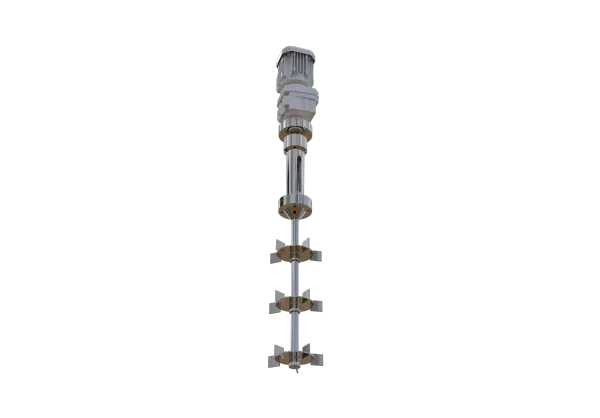
Top-mounted magnetic agitators provide a mixing option for these processes. Installed at the top of the vessel, they transmit torque through a magnetic coupling to the internal impeller. This arrangement supports controlled mixing while avoiding a conventional rotating drive shaft passing through the vessel boundary.
For cosmetic manufacturers, the value lies in combining effective material circulation with a drive configuration suited to hygienic processing.
One Mixing System for Different Formulation Stages
Cosmetic formulations rarely require the same mixing conditions throughout an entire batch. The initial preparation of a water phase, the incorporation of oils, and the blending of viscosity-building ingredients can each place different demands on the agitator.
During water-phase preparation, mixing helps dissolve soluble ingredients and distribute powders throughout the liquid. When oils or other liquid components are introduced, circulation helps incorporate them into the existing mixture. Later, as thickeners or structuring agents develop viscosity, the mixing system must continue moving the material effectively.
A top-mounted magnetic agitator can be configured around the vessel dimensions, formulation characteristics, and required mixing intensity. Appropriate impeller selection and operating speed help establish circulation suited to each stage.
For products such as lotions, shampoos, conditioners, and moisturizing creams, this flexibility is useful when several formulations share the same manufacturing facility. The equipment configuration should reflect the actual range of products rather than being selected solely around the easiest-to-mix formulation.
Where fine emulsification or intensive powder dispersion is required, the agitator can work alongside dedicated high-shear equipment. This allows bulk circulation and localized high-energy mixing to serve their respective functions within the formulation process.
Hygienic Design Through Magnetic Drive Technology
The agitator drive is an important consideration when designing cosmetic mixing equipment. Conventional shaft-driven systems typically use a mechanical seal where the rotating shaft enters the vessel. Seal wear, maintenance, and the condition of this interface can affect equipment reliability and hygiene management.
A top-mounted magnetic agitator transfers torque magnetically from the external drive assembly to the internal rotating assembly. Because the drive does not require a conventional rotating shaft to pass through the vessel boundary, the design eliminates the need for a dynamic shaft seal at that interface.
This reduces one potential leakage point and supports a more enclosed mixing arrangement. It is particularly relevant for manufacturers handling fragrance-rich products, specialty oils, and formulations where cross-contamination between production batches must be carefully managed.
The magnetic drive also changes maintenance considerations around the vessel top. Without a conventional shaft seal at the drive interface, there is no corresponding seal component to maintain or replace. This can simplify maintenance planning for the mixing system.
Integrating the Agitator into a Cosmetic Processing System
A cosmetic mixing vessel is usually one part of a broader processing arrangement. Raw materials may be weighed and prepared separately, liquid phases may be heated before blending, and the finished batch may subsequently pass through cooling, temporary holding, transfer, and filling operations.
The agitator should therefore be selected in the context of the complete formulation workflow.
For example, a cream preparation vessel may require sufficient circulation during phase combination and continued mixing during cooling. A shampoo preparation tank may place greater emphasis on dissolving ingredients and maintaining uniformity while limiting excessive foam formation. A lotion vessel may need a mixing configuration that accommodates both low-viscosity preparation and a thicker final formulation.
These differences affect impeller design, motor sizing, operating speed, and the required torque across the batch cycle. Vessel geometry and working volume also influence whether the mixing pattern reaches the full contents of the tank.
When multiple vessels or processing stages are involved, consistent equipment specifications and clearly defined operating procedures can help manufacturers reproduce batch conditions across the system. The objective is to create a practical mixing arrangement that fits the formulation process rather than treating the agitator as an isolated component.
Supporting Batch Consistency and Production Changeovers
Batch consistency depends on repeating the important processing conditions from one production run to the next. Ingredient quantities alone are not enough if mixing speed, addition sequence, temperature, or mixing duration changes significantly.
A properly configured top-mounted magnetic agitator helps maintain the circulation needed for uniform ingredient distribution. Defined operating parameters also make it easier for production teams to repeat established mixing procedures across different batches.
Changeovers introduce another consideration for facilities producing several cosmetic products. Creams, lotions, shampoos, and conditioners may differ in color, fragrance, viscosity, and ingredient composition. Equipment design and cleaning procedures must support the removal of product residues before the next formulation is processed.
The magnetic drive arrangement removes the conventional dynamic shaft seal from the vessel interface, supporting the hygienic design of the mixing equipment. Combined with suitable vessel construction and an appropriate cleaning strategy, it can contribute to more manageable production changeovers.
Selecting the Right Configuration for Cosmetic Formulation
The most suitable agitator depends on the products being manufactured and the demands of the complete batch cycle.
Key considerations include the viscosity range, vessel diameter and liquid height, ingredient addition sequence, required circulation pattern, and whether the formulation needs additional high-shear processing. Materials and surface finishes should also match the manufacturer's product-contact and cleaning requirements.
For facilities handling several product categories, it is important to assess the most demanding formulations as well as routine production. A configuration that performs well with a thin lotion may not provide sufficient circulation for a thick cream at the end of cooling.
Matching the magnetic agitator to these operating conditions helps establish a more reliable foundation for cosmetic formulation, from initial ingredient blending through to preparation for downstream processing.
Building a More Controlled Cosmetic Mixing Process
Top-mounted magnetic agitators offer cosmetic manufacturers a combination of controlled mixing and sealed magnetic drive technology. Their role extends beyond moving ingredients: they help support formulation uniformity, accommodate changing viscosity, and reduce reliance on conventional dynamic shaft seals.
When incorporated into a properly designed cosmetic processing system, they provide a practical mixing solution for creams, lotions, shampoos, conditioners, and other personal care products. The right configuration depends on the formulation, vessel design, and production workflow, allowing manufacturers to build a mixing process around their actual manufacturing requirements.


