


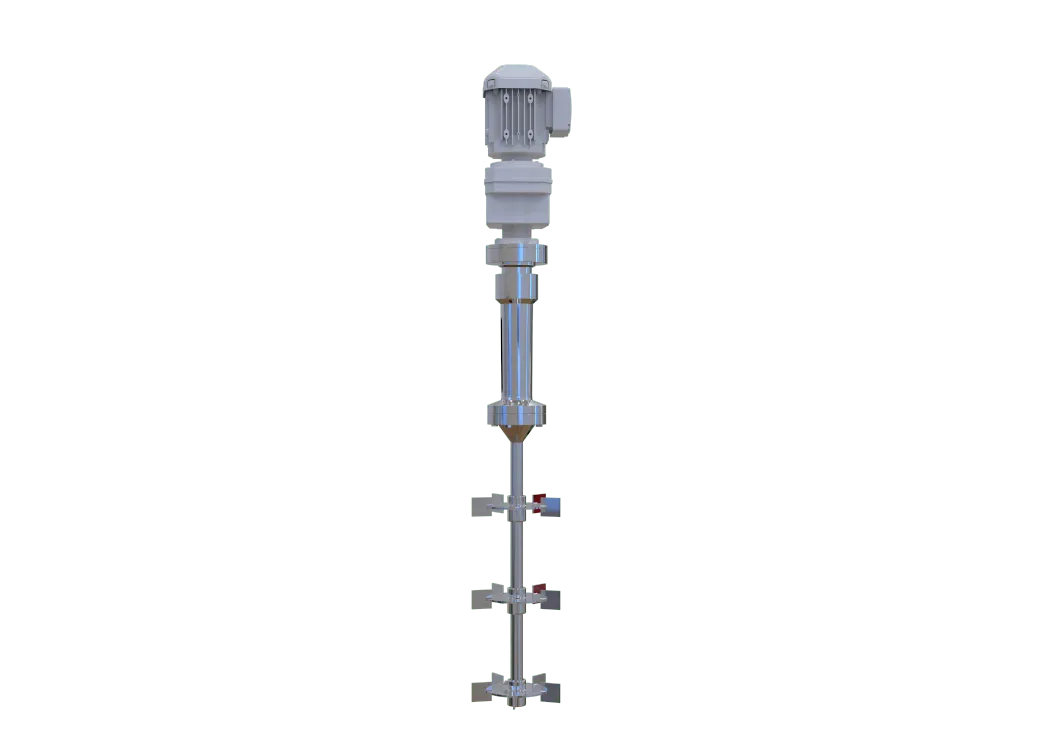
SFMA Internally Mounted Magnetic Stirrer


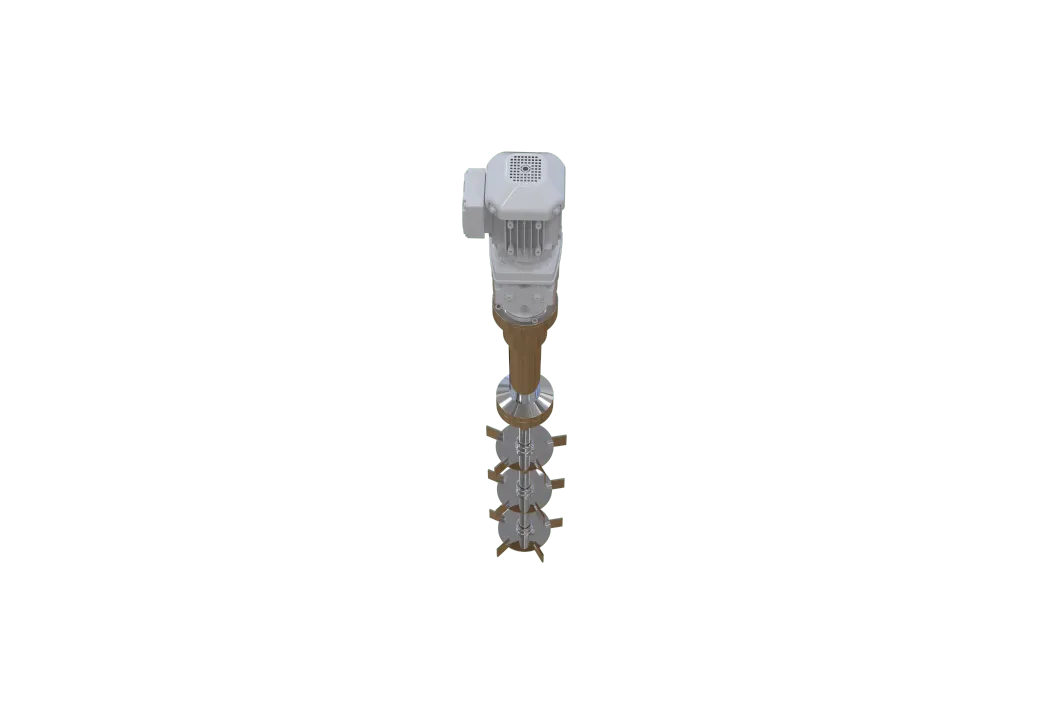
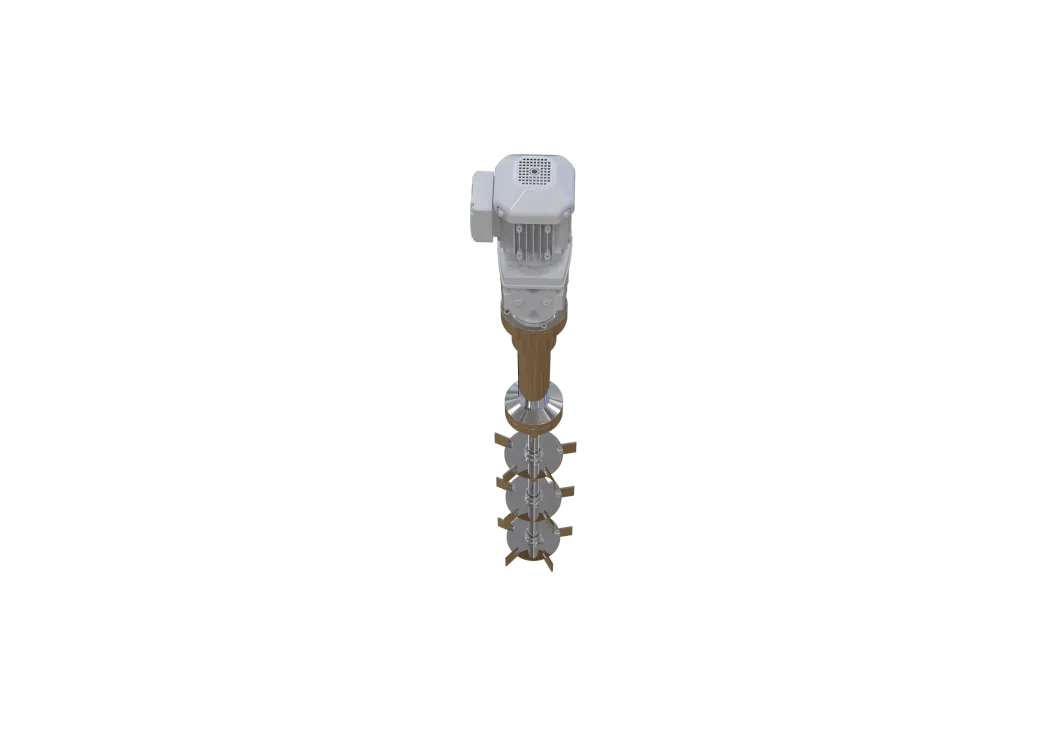
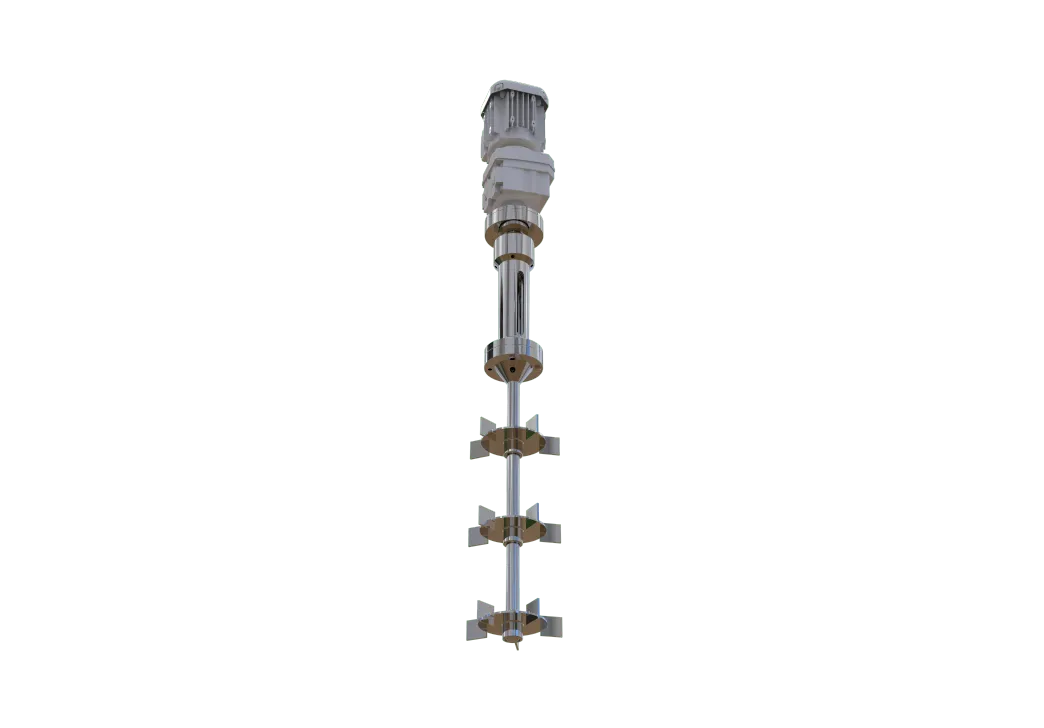

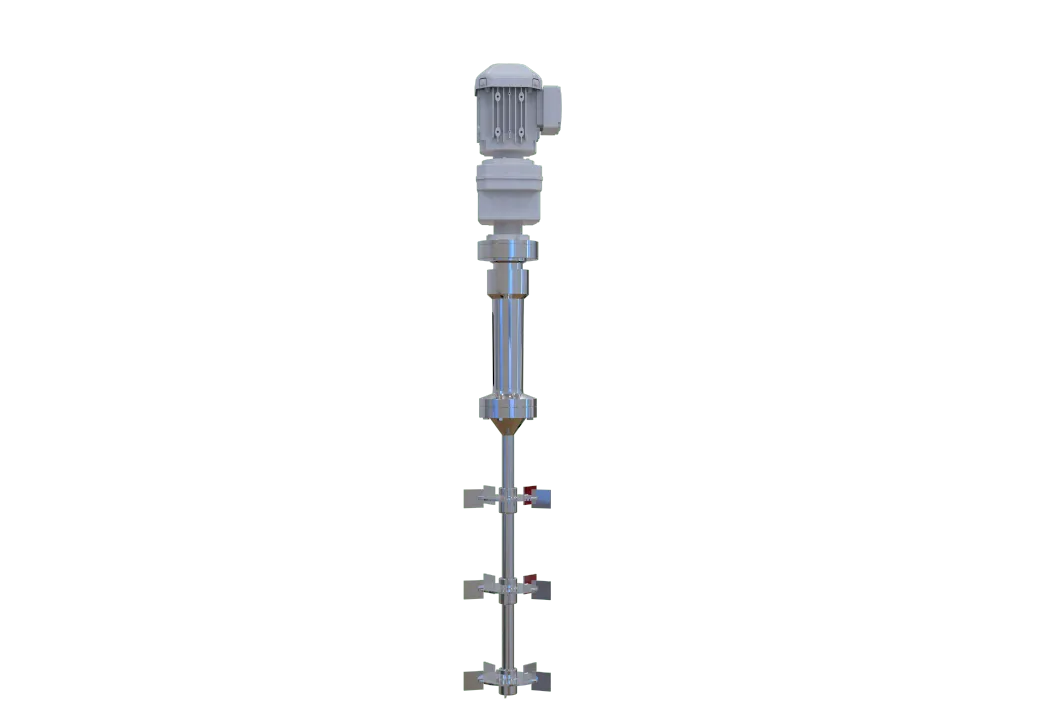
In highly regulated processing environments such as biopharmaceuticals, personal care manufacturing, and high-purity food compounding, achieving absolute sterility is an ongoing operational challenge. While top-entering magnetic stirrers have successfully eliminated the leakage risks associated with traditional dynamic mechanical seals, a secondary challenge often arises: ensuring total cleanability of the internal mixing components. Traditional top-entry magnetic mixers position the containment sleeve and internal magnetic rotor outside or high above the fluid level, which can create complex internal geometries that resist automated cleaning fluids.
The SFMA Internally Mounted Magnetic Stirrer redefines sanitary fluid agitation by turning the traditional layout inward. Featuring a highly specialized "internally mounted" coupling architecture and integrated hydraulic flushing pathways, the SFMA series is engineered specifically for production lines that demand rigorous, uncompromised Clean-in-Place (CIP) and Sterilize-in-Place (SIP) validation alongside zero-leakage security.
The Internally Mounted Architecture: Deep Integration with the Process Side
The defining engineering characteristic of the SFMA model is its "internally mounted" structural layout. In a standard magnetic mixer, the static isolation sleeve (or containment shell) protrudes upward from the exterior dome of the vessel, housing the internal magnetic rotor in an overhead cavity. While effective for basic isolation, this configuration can sometimes isolate the critical bearing and magnet assembly from the natural fluid turbulence inside the tank.
The SFMA series overcomes this by extending the isolation sleeve and the inner magnetic rotor deeper into the mounting nozzle, bringing it into closer proximity with the actual process zone. This configuration lowers the entire internal rotating mass, shortening the necessary length of the upper agitation shaft. By positioning the core drive components directly within the path of the vessel's internal atmosphere and fluid dynamics, the system achieves exceptional rotational stability and significantly reduces shaft runout, even during high-velocity mixing cycles or processing high-viscosity formulations.
Built-In Flushing Holes: Engineered for Advanced CIP Flow Dynamics
The most critical technical innovation found within the SFMA design is the integration of precision-machined flushing holes along the internal shaft assembly and bearing housing. In traditional top-entry agitators, the narrow gap between the rotating inner magnet and the stationary isolation sleeve is a notorious troubleshooting area for sanitation engineers. This tight tolerance can trap product residues, and standard spray balls often fail to drive sufficient cleaning velocity into such a confined space.
The SFMA series solves this issue through passive hydraulic circulation. The engineered flushing holes act as dedicated fluid channels during automated Clean-in-Place cycles. As the cleaning validation fluid is pumped through the vessel, the rotational motion of the internal assembly creates a localized pressure differential. This pressure difference draws the CIP sanitizing solution directly through the flushing holes, forcing a high-velocity stream straight into the internal gap between the inner magnetic rotor and the isolation sleeve.
This continuous, forced fluid turnover actively scrubs the ceramic bearing surfaces and the containment walls, lifting away stubborn product deposits, chemical films, or micro-particles. By ensuring that cleaning fluids actively penetrate the deepest internal tolerances, the SFMA model eliminates the risk of batch-to-batch cross-contamination and simplifies the documentation required for strict sanitary compliance audits.
Dual-Zone Sanitary Sealing and Pure Ceramic Support
To complement its advanced self-flushing capabilities, the SFMA model incorporates an advanced multi-point sealing matrix utilizing high-performance sanitary O-rings. These specialized seals are strategically integrated around the mounting flange and internal housing to create completely smooth, crevice-free transitions. By removing exposed screw threads, sharp steps, and unsealed metal-on-metal joints, the internal architecture prevents the formation of stagnant product pockets where bio-films could potentially develop.
Furthermore, the SFMA internal shaft is supported by high-purity technical ceramic bearings. Free from the need for industrial oils or greases, these ceramic components operate without risk of liquid contamination. Their extreme material hardness prevents mechanical deformation under variable loads, ensuring that the critical internal tolerances required for the self-flushing mechanism remain perfectly consistent throughout years of continuous production.
Essential Operational Benefits for Modern Processing Plants
- Absolute Static Hermetic Barrier: Utilizing high-coercivity permanent magnets, full operational torque is transferred through a solid, seamless stainless steel barrier. The system provides complete isolation for pressurized reactions or deep vacuum applications with zero risk of vapor escape.
- Reduced Cleanroom Footprint: Because the internally mounted design brings the core coupling components further down into the vessel nozzle, the vertical profile extending above the tank dome is significantly minimized. This low-profile design frees up vertical overhead space for cleanroom piping networks and ventilation.
- Built-In Thermal Resilience: The continuous fluid circulation enabled by the internal flushing holes helps dissipate localized friction heat that can accumulate within the bearing housing. This thermal regulation protects delicate proteins, enzymes, or temperature-sensitive chemicals from localized heat degradation.
- Non-Contact Mechanical Slip Fuse: The magnetic drive includes inherent overload safety. If a processing abnormality causes an unexpected torque spike, the outer and inner magnetic fields safely decouple and slip. This protects both the motor and the internal shaft assembly from structural failure.
By integrating an internally mounted drive profile with advanced self-flushing fluid paths, the SFMA magnetic stirrer provides processing facilities with a reliable, ultra-cleanable agitation solution that meets the highest global standards for modern hygienic engineering.

Description
In highly regulated processing environments such as biopharmaceuticals, personal care manufacturing, and high-purity food compounding, achieving absolute sterility is an ongoing operational challenge. While top-entering magnetic stirrers have successfully eliminated the leakage risks associated with traditional dynamic mechanical seals, a secondary challenge often arises: ensuring total cleanability of the internal mixing components. Traditional top-entry magnetic mixers position the containment sleeve and internal magnetic rotor outside or high above the fluid level, which can create complex internal geometries that resist automated cleaning fluids.
The SFMA Internally Mounted Magnetic Stirrer redefines sanitary fluid agitation by turning the traditional layout inward. Featuring a highly specialized "internally mounted" coupling architecture and integrated hydraulic flushing pathways, the SFMA series is engineered specifically for production lines that demand rigorous, uncompromised Clean-in-Place (CIP) and Sterilize-in-Place (SIP) validation alongside zero-leakage security.
The Internally Mounted Architecture: Deep Integration with the Process Side
The defining engineering characteristic of the SFMA model is its "internally mounted" structural layout. In a standard magnetic mixer, the static isolation sleeve (or containment shell) protrudes upward from the exterior dome of the vessel, housing the internal magnetic rotor in an overhead cavity. While effective for basic isolation, this configuration can sometimes isolate the critical bearing and magnet assembly from the natural fluid turbulence inside the tank.
The SFMA series overcomes this by extending the isolation sleeve and the inner magnetic rotor deeper into the mounting nozzle, bringing it into closer proximity with the actual process zone. This configuration lowers the entire internal rotating mass, shortening the necessary length of the upper agitation shaft. By positioning the core drive components directly within the path of the vessel's internal atmosphere and fluid dynamics, the system achieves exceptional rotational stability and significantly reduces shaft runout, even during high-velocity mixing cycles or processing high-viscosity formulations.
Built-In Flushing Holes: Engineered for Advanced CIP Flow Dynamics
The most critical technical innovation found within the SFMA design is the integration of precision-machined flushing holes along the internal shaft assembly and bearing housing. In traditional top-entry agitators, the narrow gap between the rotating inner magnet and the stationary isolation sleeve is a notorious troubleshooting area for sanitation engineers. This tight tolerance can trap product residues, and standard spray balls often fail to drive sufficient cleaning velocity into such a confined space.
The SFMA series solves this issue through passive hydraulic circulation. The engineered flushing holes act as dedicated fluid channels during automated Clean-in-Place cycles. As the cleaning validation fluid is pumped through the vessel, the rotational motion of the internal assembly creates a localized pressure differential. This pressure difference draws the CIP sanitizing solution directly through the flushing holes, forcing a high-velocity stream straight into the internal gap between the inner magnetic rotor and the isolation sleeve.
This continuous, forced fluid turnover actively scrubs the ceramic bearing surfaces and the containment walls, lifting away stubborn product deposits, chemical films, or micro-particles. By ensuring that cleaning fluids actively penetrate the deepest internal tolerances, the SFMA model eliminates the risk of batch-to-batch cross-contamination and simplifies the documentation required for strict sanitary compliance audits.
Dual-Zone Sanitary Sealing and Pure Ceramic Support
To complement its advanced self-flushing capabilities, the SFMA model incorporates an advanced multi-point sealing matrix utilizing high-performance sanitary O-rings. These specialized seals are strategically integrated around the mounting flange and internal housing to create completely smooth, crevice-free transitions. By removing exposed screw threads, sharp steps, and unsealed metal-on-metal joints, the internal architecture prevents the formation of stagnant product pockets where bio-films could potentially develop.
Furthermore, the SFMA internal shaft is supported by high-purity technical ceramic bearings. Free from the need for industrial oils or greases, these ceramic components operate without risk of liquid contamination. Their extreme material hardness prevents mechanical deformation under variable loads, ensuring that the critical internal tolerances required for the self-flushing mechanism remain perfectly consistent throughout years of continuous production.
Essential Operational Benefits for Modern Processing Plants
- Absolute Static Hermetic Barrier: Utilizing high-coercivity permanent magnets, full operational torque is transferred through a solid, seamless stainless steel barrier. The system provides complete isolation for pressurized reactions or deep vacuum applications with zero risk of vapor escape.
- Reduced Cleanroom Footprint: Because the internally mounted design brings the core coupling components further down into the vessel nozzle, the vertical profile extending above the tank dome is significantly minimized. This low-profile design frees up vertical overhead space for cleanroom piping networks and ventilation.
- Built-In Thermal Resilience: The continuous fluid circulation enabled by the internal flushing holes helps dissipate localized friction heat that can accumulate within the bearing housing. This thermal regulation protects delicate proteins, enzymes, or temperature-sensitive chemicals from localized heat degradation.
- Non-Contact Mechanical Slip Fuse: The magnetic drive includes inherent overload safety. If a processing abnormality causes an unexpected torque spike, the outer and inner magnetic fields safely decouple and slip. This protects both the motor and the internal shaft assembly from structural failure.
By integrating an internally mounted drive profile with advanced self-flushing fluid paths, the SFMA magnetic stirrer provides processing facilities with a reliable, ultra-cleanable agitation solution that meets the highest global standards for modern hygienic engineering.
Application


Specifications
Advantage Comparison


GET IN TOUCH NOW


