


Bottom-Entry 4-Blade Pitched Magnetic Stirrer


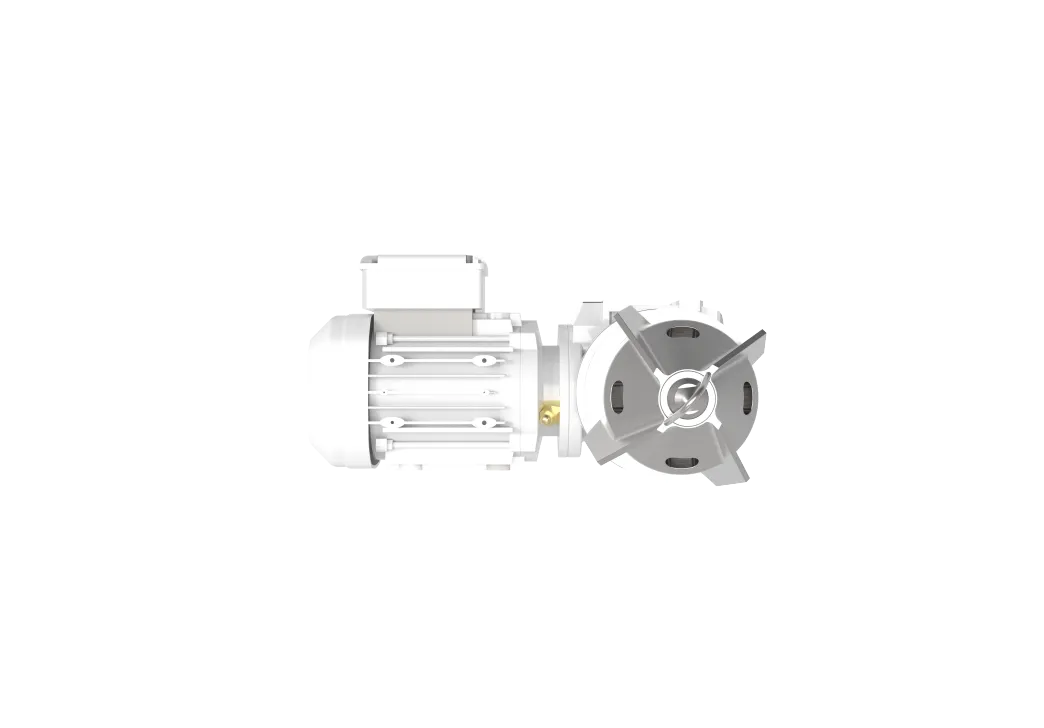
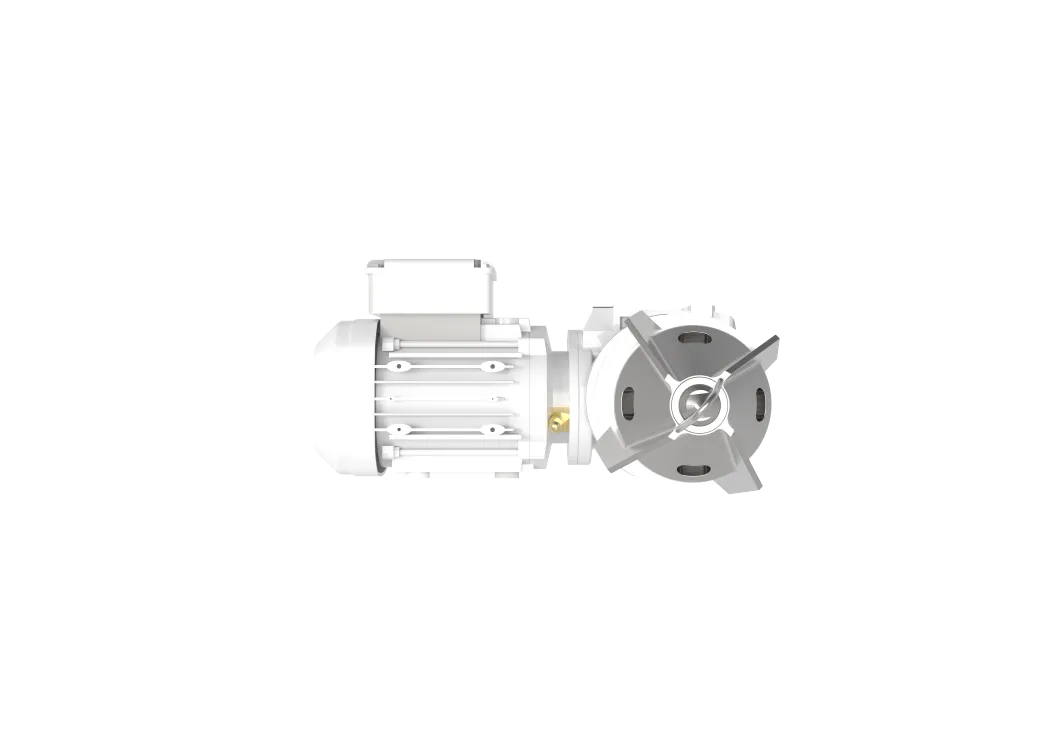


Maintaining absolute sterility inside fluid-processing vessels often directly conflicts with the practical realities of equipment maintenance. In high-purity production lines, traditional magnetic agitators require technicians to open the upper vessel dome or physically enter the tank to service or replace internal rotors. This traditional intervention breaks the sterile boundary, prolongs downtime, and introduces operational risks.
The ACJ Series Bottom-Entry 4-Blade Pitched Magnetic Stirrer solves this conflict through an engineered structural evolution. Designed specifically as an upgraded, high-compliance alternative to fixed, welded systems, the ACJ series features a fully removable static isolation sleeve and component configuration. This mechanical design allows technical teams to execute full component inspection, bearing swap-outs, and complete rotor extraction entirely from underneath the vessel, delivering a safer path to regulatory validation in closed-vessel facilities.
Technical Deconstruction: The Bottom-Removable Architecture
The core engineering distinction of the ACJ series is the complete transition away from permanent, unserviceable bottom weldments. In standard processing environments, if an internal bearing scores or an isolation sleeve suffers thermal stress, repairing a fully welded mixer requires intensive onsite grinding or complete vessel modification.
The ACJ architecture replaces the standard fixed layout with a multi-piece, bottom-exit flanged assembly:
- Monolithic Extraction: The static isolation sleeve is secured via a heavy-duty sanitary flanged junction. By loosening the external bottom fasting bolts, the entire internal driving core—including the 4-blade pitched impeller, the internal permanent magnets, and the technical ceramic bearings—slides out downward in one controlled motion.
- Pressure Vessel Compliance: The tank-side mating flange is machined to weld seamlessly into vessel bottom dishes according to international pressure vessel standards. This ensures the removable configuration handles high-pressure cycling without compromising structural sealing or introducing micro-crevices.
Overcoming Closed-Tank and High-Density Piping Constraints
The physical layout of modern bioprocess skids and sterile production halls puts a strict premium on spatial access. Top dish ends are crowded with process infrastructure, making upward component removal impossible.
The ACJ under-tank extraction mechanism targets three specific engineering bottlenecks:
- Eliminating Tank Ingress Hazards: For large processing tanks, entering the vessel interior for maintenance requires extensive confined-space permits, specialized safety equipment, and intense manual labor. The ACJ allows all wearable parts to be serviced from the outside room floor.
- Accommodating Manhole-Free Designs: To eliminate potential leak paths and cleanroom seal risks, high-purity vessels are increasingly designed without inspection manholes. The ACJ series provides the only viable pathway to completely service internal fluid-contact parts in a fully sealed vessel.
- Managing High-Density Dome Arrays: On small-volume pilot systems, the top dish is densely packed with feed inlets, CIP spray balls, gas spargers, and sensory instruments. Bottom extraction ensures that maintenance teams never have to disconnect or recalibrate overhead process piping during a mixer overhaul.
Fluid Dynamics of the 4-Blade Pitched Impeller
Beyond its physical maintainability, the ACJ series modifies fluid behavior inside the vessel through a specialized 4-blade pitched impeller geometry:
- Axial-Radial Balanced Shear: The pitched angles of the four continuous blades strike a precise balance between macro-flow circulation and localized hydraulic shear. This prevents product degradation in shear-sensitive biological media while maintaining fast dissolution times for heavy powders.
- Continuous Submerged Rinsing: The rotor body incorporates integrated multi-hole perforated flow channels. During automated Clean-in-Place (CIP) cycles, these ports use centrifugal rotation to actively draw cleaning chemistry down into the internal magnetic core. The fluid completely floods the internal ceramic dynamic bearings, preventing product stagnation and securing clean coverage ahead of Steam-in-Place (SIP) thermal sterilization at temperatures up to ≤130°C.
Sizing and Torque Configuration Across Volumetric Scales
To prevent magnetic decoupling under high fluid resistance, the ACJ series pairs specific volumetric tank profiles with precisely rated motor and magnet torque matching:
- Pilot and Small-Scale Processing: Models ranging from ACJ51 to ACJ13 handle working capacities from 10 to 1,200 liters. These compact systems support operational speeds up to ≤960 rpm, providing power options up to 750W for rapid chemical and laboratory blending.
- Mid-Range Production Lines: Models from ACJ21 to ACJ63 support volume ranges between 200 and 15,000 liters, operating across tailored speed bands (≤300 rpm to ≤960 rpm) with power capacities reaching up to 5,500W.
- Large-Scale Industrial Storage: Heavy-duty models from ACJ81 up to ACJ302 handle massive process volumes from 2,000 up to 50,000 liters. These massive units deliver high-torque blending at lower operational speeds (≤200 rpm to ≤400 rpm) utilizing ruggedized drives up to 11,000W to handle major fluid volumes safely.
Selection Requirements and Limitations
Proper selection of an ACJ configuration requires a complete review of raw batch fluid characteristics and plant operating pressures:
- Viscosity Management: Standard ACJ performance tables are calculated based on water-like fluid properties and standard liquid-liquid mixtures. For any process fluid exceeding a viscosity threshold of 100 CP, our technical team must calculate custom high-torque magnet spacing to ensure stable coupling.
- Pressure and Temperature Limits: The standard structural rating of the ACJ flanged block is verified for internal tank pressures ranging from a deep vacuum of -0.09 MPa up to a positive operating pressure of 0.6 MPa. Applications running outside these environmental limits require custom engineering and specialized metallurgical validation.

Description
Maintaining absolute sterility inside fluid-processing vessels often directly conflicts with the practical realities of equipment maintenance. In high-purity production lines, traditional magnetic agitators require technicians to open the upper vessel dome or physically enter the tank to service or replace internal rotors. This traditional intervention breaks the sterile boundary, prolongs downtime, and introduces operational risks.
The ACJ Series Bottom-Entry 4-Blade Pitched Magnetic Stirrer solves this conflict through an engineered structural evolution. Designed specifically as an upgraded, high-compliance alternative to fixed, welded systems, the ACJ series features a fully removable static isolation sleeve and component configuration. This mechanical design allows technical teams to execute full component inspection, bearing swap-outs, and complete rotor extraction entirely from underneath the vessel, delivering a safer path to regulatory validation in closed-vessel facilities.
Technical Deconstruction: The Bottom-Removable Architecture
The core engineering distinction of the ACJ series is the complete transition away from permanent, unserviceable bottom weldments. In standard processing environments, if an internal bearing scores or an isolation sleeve suffers thermal stress, repairing a fully welded mixer requires intensive onsite grinding or complete vessel modification.
The ACJ architecture replaces the standard fixed layout with a multi-piece, bottom-exit flanged assembly:
- Monolithic Extraction: The static isolation sleeve is secured via a heavy-duty sanitary flanged junction. By loosening the external bottom fasting bolts, the entire internal driving core—including the 4-blade pitched impeller, the internal permanent magnets, and the technical ceramic bearings—slides out downward in one controlled motion.
- Pressure Vessel Compliance: The tank-side mating flange is machined to weld seamlessly into vessel bottom dishes according to international pressure vessel standards. This ensures the removable configuration handles high-pressure cycling without compromising structural sealing or introducing micro-crevices.
Overcoming Closed-Tank and High-Density Piping Constraints
The physical layout of modern bioprocess skids and sterile production halls puts a strict premium on spatial access. Top dish ends are crowded with process infrastructure, making upward component removal impossible.
The ACJ under-tank extraction mechanism targets three specific engineering bottlenecks:
- Eliminating Tank Ingress Hazards: For large processing tanks, entering the vessel interior for maintenance requires extensive confined-space permits, specialized safety equipment, and intense manual labor. The ACJ allows all wearable parts to be serviced from the outside room floor.
- Accommodating Manhole-Free Designs: To eliminate potential leak paths and cleanroom seal risks, high-purity vessels are increasingly designed without inspection manholes. The ACJ series provides the only viable pathway to completely service internal fluid-contact parts in a fully sealed vessel.
- Managing High-Density Dome Arrays: On small-volume pilot systems, the top dish is densely packed with feed inlets, CIP spray balls, gas spargers, and sensory instruments. Bottom extraction ensures that maintenance teams never have to disconnect or recalibrate overhead process piping during a mixer overhaul.
Fluid Dynamics of the 4-Blade Pitched Impeller
Beyond its physical maintainability, the ACJ series modifies fluid behavior inside the vessel through a specialized 4-blade pitched impeller geometry:
- Axial-Radial Balanced Shear: The pitched angles of the four continuous blades strike a precise balance between macro-flow circulation and localized hydraulic shear. This prevents product degradation in shear-sensitive biological media while maintaining fast dissolution times for heavy powders.
- Continuous Submerged Rinsing: The rotor body incorporates integrated multi-hole perforated flow channels. During automated Clean-in-Place (CIP) cycles, these ports use centrifugal rotation to actively draw cleaning chemistry down into the internal magnetic core. The fluid completely floods the internal ceramic dynamic bearings, preventing product stagnation and securing clean coverage ahead of Steam-in-Place (SIP) thermal sterilization at temperatures up to ≤130°C.
Sizing and Torque Configuration Across Volumetric Scales
To prevent magnetic decoupling under high fluid resistance, the ACJ series pairs specific volumetric tank profiles with precisely rated motor and magnet torque matching:
- Pilot and Small-Scale Processing: Models ranging from ACJ51 to ACJ13 handle working capacities from 10 to 1,200 liters. These compact systems support operational speeds up to ≤960 rpm, providing power options up to 750W for rapid chemical and laboratory blending.
- Mid-Range Production Lines: Models from ACJ21 to ACJ63 support volume ranges between 200 and 15,000 liters, operating across tailored speed bands (≤300 rpm to ≤960 rpm) with power capacities reaching up to 5,500W.
- Large-Scale Industrial Storage: Heavy-duty models from ACJ81 up to ACJ302 handle massive process volumes from 2,000 up to 50,000 liters. These massive units deliver high-torque blending at lower operational speeds (≤200 rpm to ≤400 rpm) utilizing ruggedized drives up to 11,000W to handle major fluid volumes safely.
Selection Requirements and Limitations
Proper selection of an ACJ configuration requires a complete review of raw batch fluid characteristics and plant operating pressures:
- Viscosity Management: Standard ACJ performance tables are calculated based on water-like fluid properties and standard liquid-liquid mixtures. For any process fluid exceeding a viscosity threshold of 100 CP, our technical team must calculate custom high-torque magnet spacing to ensure stable coupling.
- Pressure and Temperature Limits: The standard structural rating of the ACJ flanged block is verified for internal tank pressures ranging from a deep vacuum of -0.09 MPa up to a positive operating pressure of 0.6 MPa. Applications running outside these environmental limits require custom engineering and specialized metallurgical validation.
Application


Specifications
Advantage Comparison


GET IN TOUCH NOW


