


Multi-Tier Magnetic Stirrer
In pharmaceutical manufacturing, mixing equipment must do more than achieve uniform blending. It must also support hygienic processing, reliable sealing, convenient cleaning, and efficient use of production space. These requirements become more demanding when multiple vessels or processing units need to operate within a limited footprint.
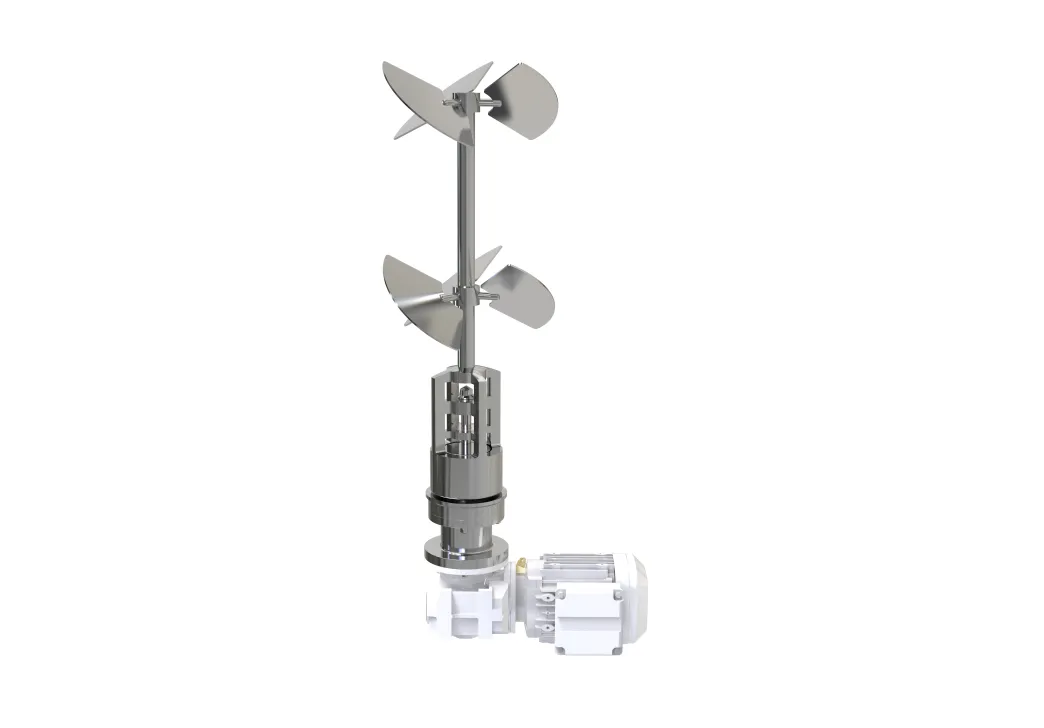
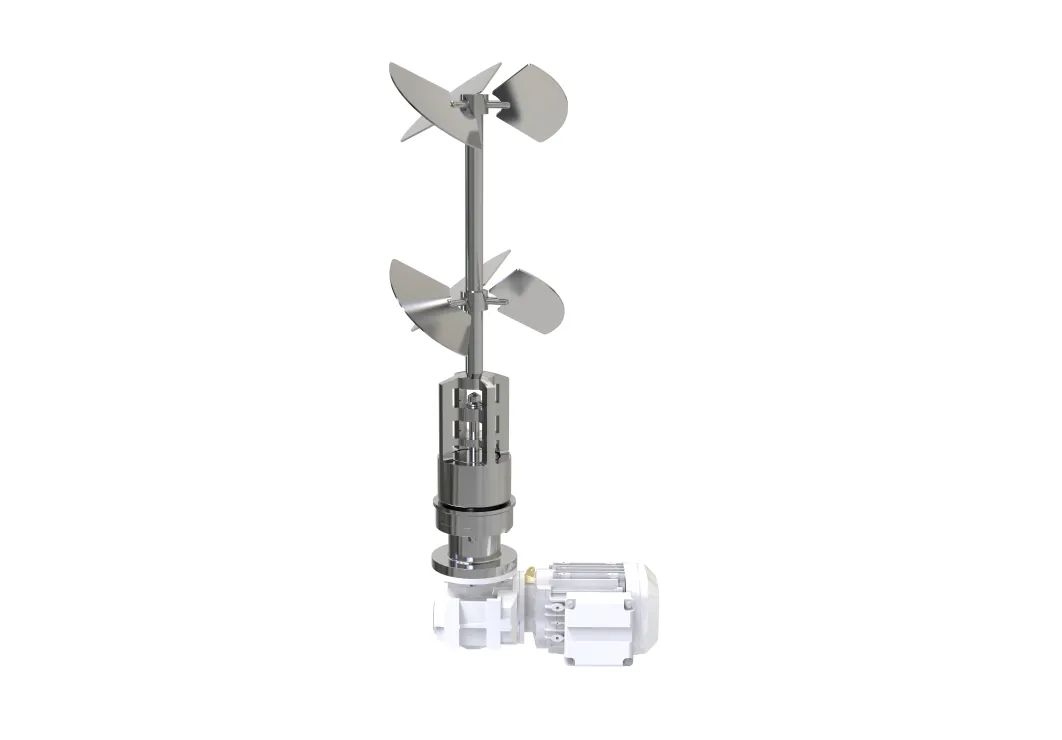
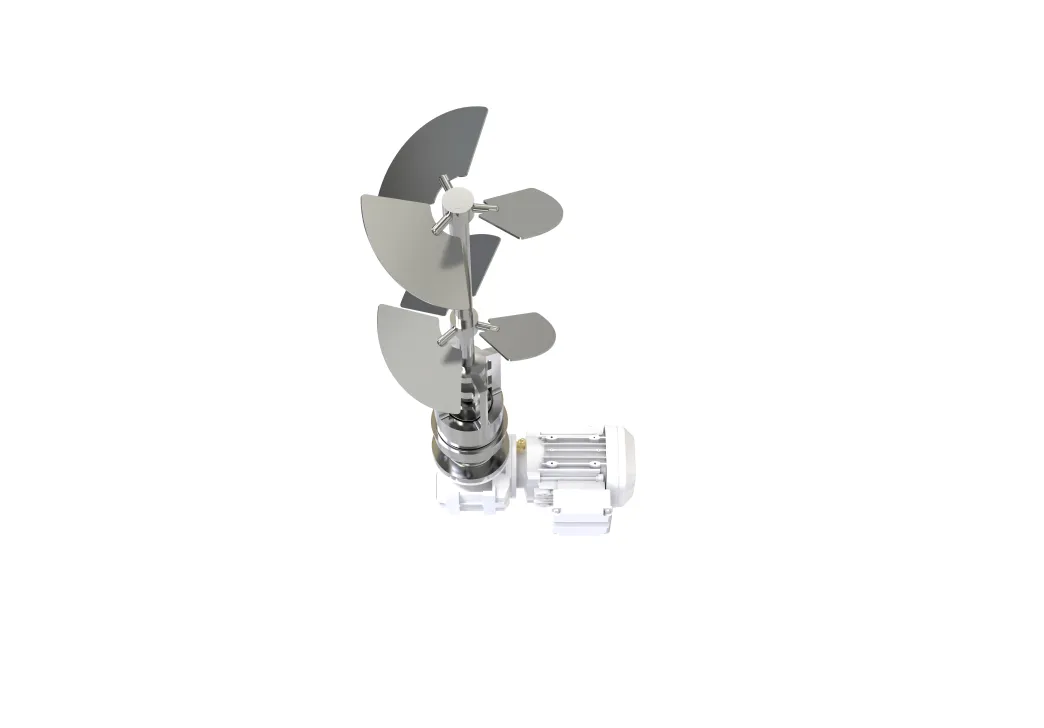
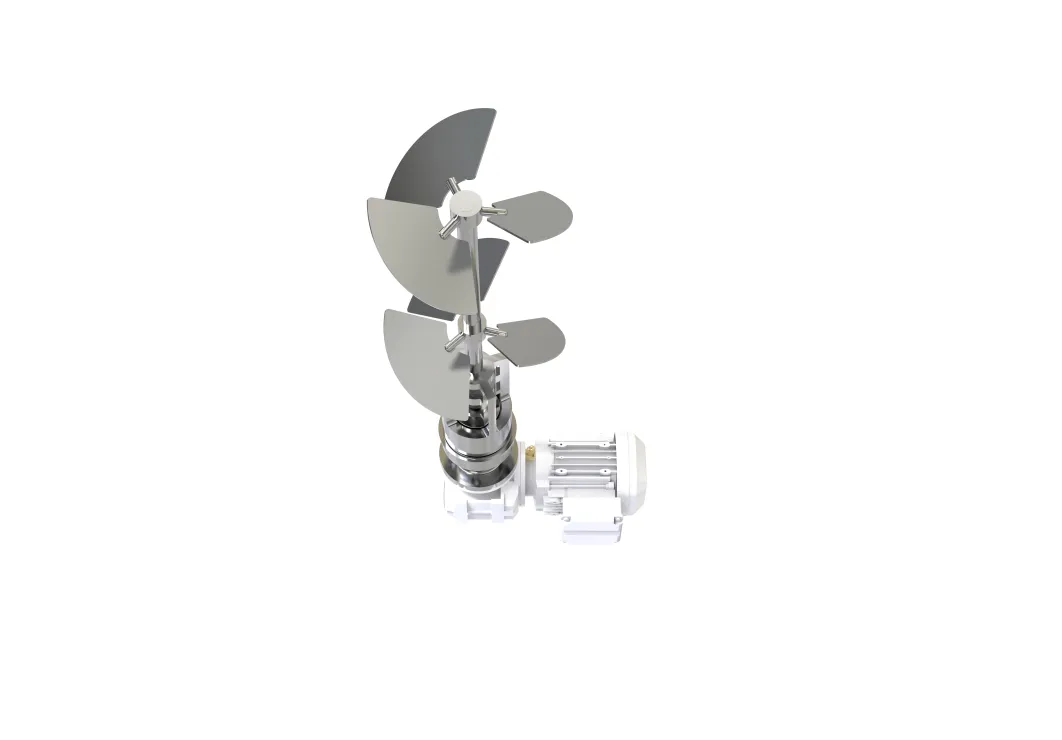
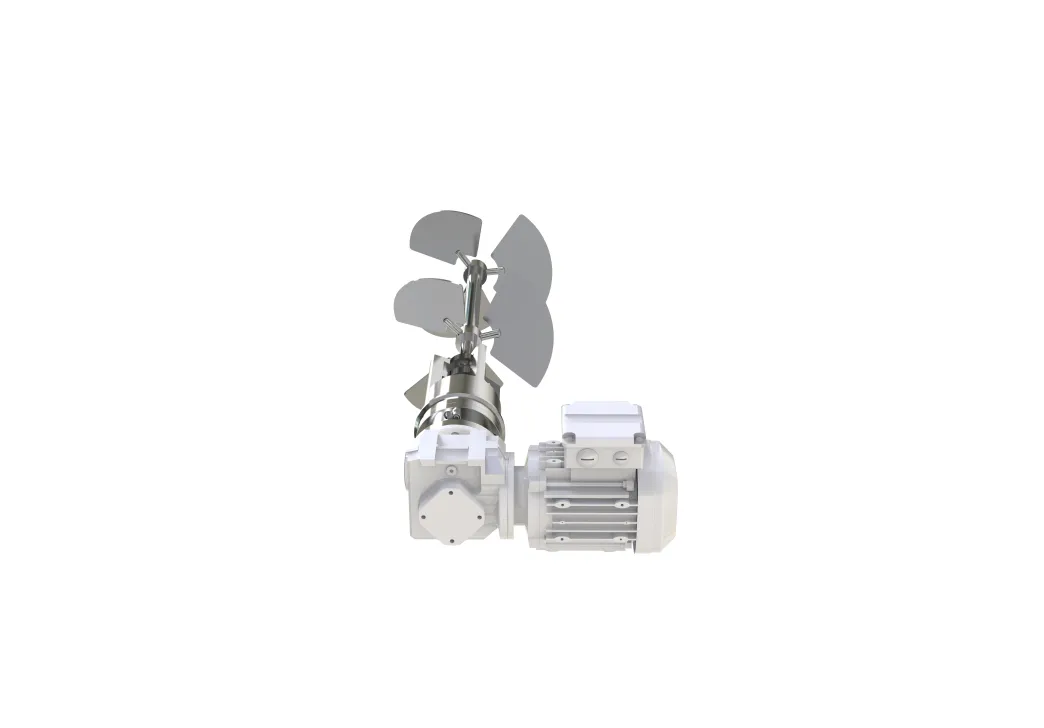
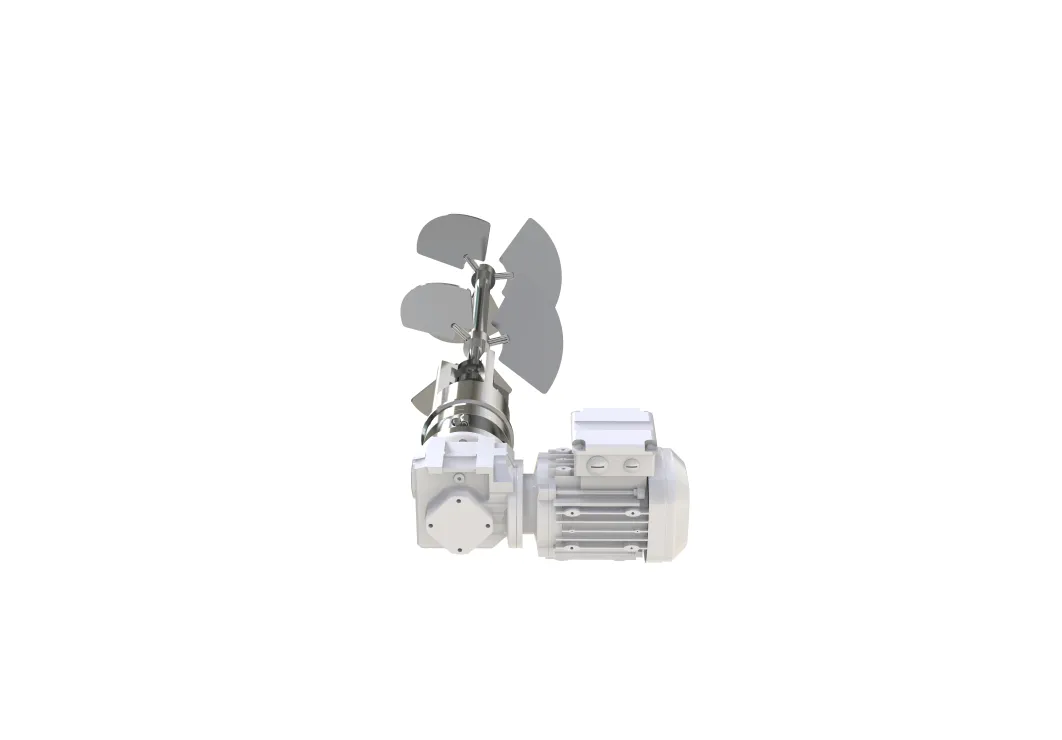
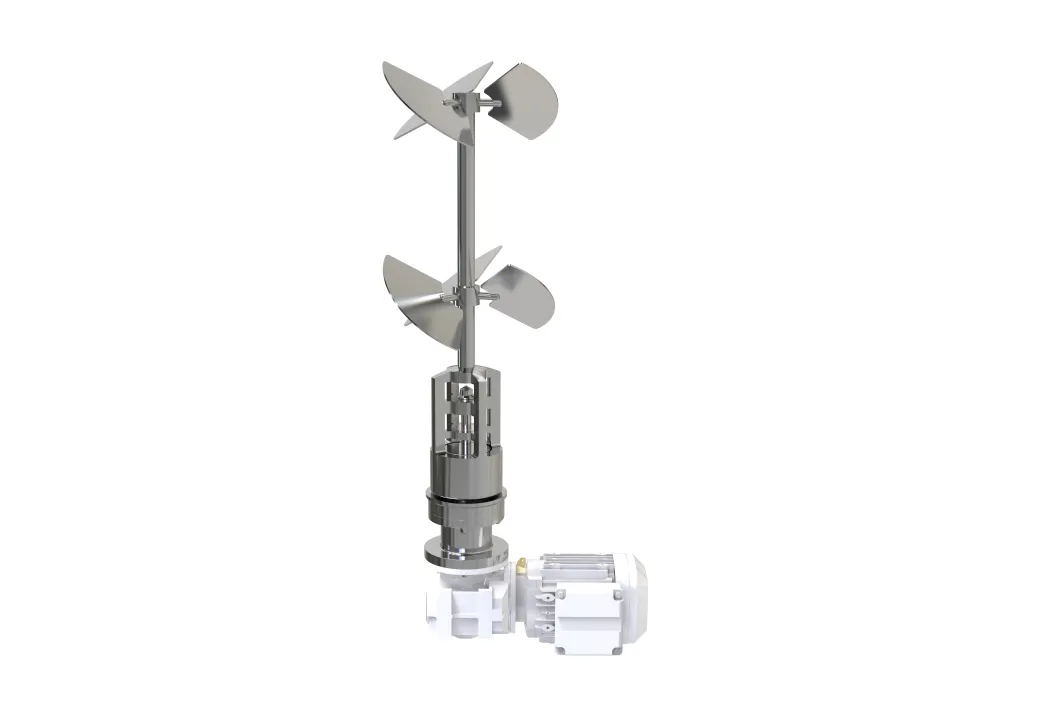
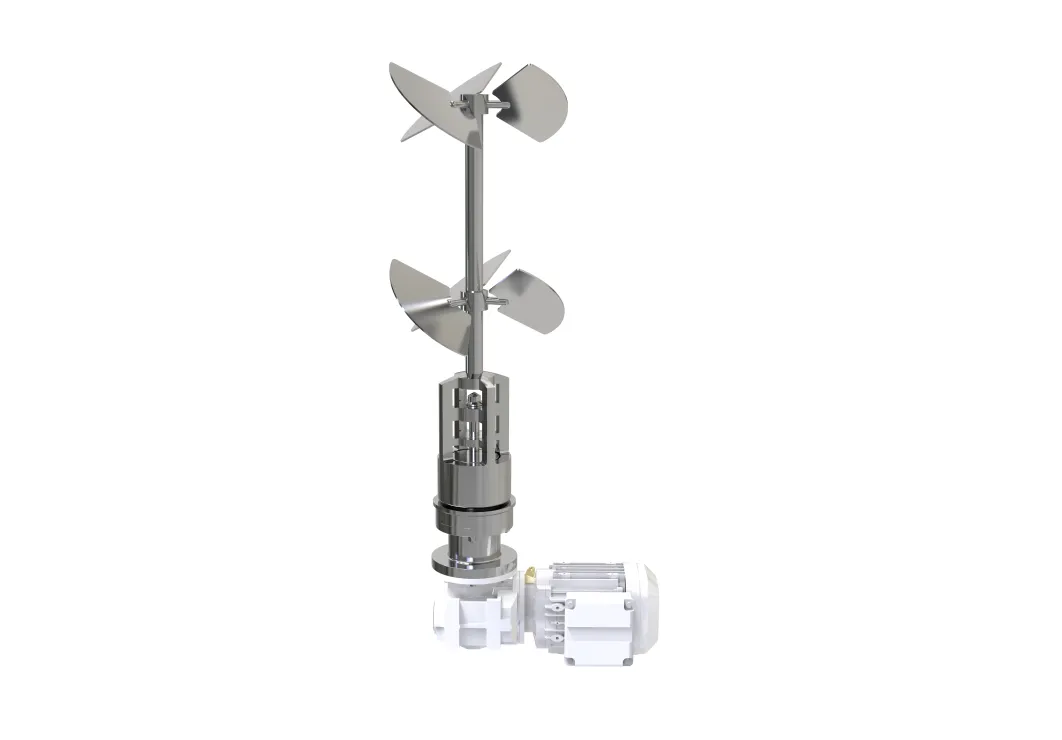
The Multi-Tier Magnetic Stirrer is designed for stainless steel process vessels used in pharmaceutical and biopharmaceutical production. Combining bottom-mounted magnetic drive technology with a multi-layer equipment arrangement, it provides a practical solution for applications that require reliable mixing, reduced leakage risk, and efficient use of vertical space.
Unlike conventional agitators driven by a shaft extending through the vessel top, this design positions the drive assembly beneath the vessel. Magnetic force transmits rotation to the internal impeller through a stationary isolation sleeve, eliminating the need for a rotating drive shaft to penetrate the vessel wall at the mixing drive connection. A welded isolation sleeve provides static sealing at this interface.
The multi-layer configuration allows several vessels or processing units to be arranged vertically, helping reduce the horizontal footprint of the overall installation. Combined with a compact structure and a bottom-mounted impeller, the agitator is suitable for mixing and blending liquids in pharmaceutical preparation, fermentation, and liquid storage systems.
How Does a Multi-Layer Bottom-Entry Magnetic Agitator Work?
The agitator uses magnetic coupling to transfer rotational motion from an external drive to an internal magnetic assembly. The motor drives the external magnetic component, which generates a magnetic field through the stationary isolation sleeve. This field causes the internal magnetic assembly and connected impeller to rotate, creating liquid circulation within the vessel.
Because the drive does not require a conventional rotating shaft to pass through the vessel wall, the design removes the need for a dynamic shaft seal at that penetration point. This is particularly valuable in pharmaceutical processes where leakage prevention, product containment, and hygienic equipment design are important.
The impeller is installed at the vessel bottom rather than suspended from an overhead drive. This arrangement can help circulate liquid from the lower region of the vessel and is useful when the working liquid volume is relatively low, provided the impeller remains appropriately immersed and the operating conditions are suitable.
The multi-layer arrangement addresses a different challenge: plant layout. By extending the installation vertically, it can accommodate multiple process vessels or units in a smaller floor area than a comparable single-level arrangement. Actual capacity and layout depend on vessel dimensions, working volumes, structural requirements, and process configuration.
Key Advantages of the Multi-Layer Magnetic Agitator
Static Sealing Helps Reduce Leakage Risk
Traditional shaft-driven agitators commonly use mechanical seals where the rotating shaft enters the vessel. Depending on the process medium, operating pressure, temperature, and seal condition, these interfaces can become potential sources of leakage and maintenance requirements.
The multi-layer bottom-entry magnetic agitator uses a welded isolation sleeve to maintain a static boundary between the internal process medium and the external drive assembly. Since the magnetic coupling transfers motion without a rotating shaft penetrating this boundary, the design eliminates the dynamic shaft-sealing interface associated with conventional drive arrangements.
This is an important advantage for pharmaceutical applications involving injection solutions, vaccine intermediates, insulin preparations, and other products that require controlled processing conditions. The complete equipment design must still meet the applicable requirements for pressure containment, material compatibility, cleaning, and sterilization.
Multi-Layer Layout Makes Better Use of Floor Space
Production space can become a limiting factor when several preparation tanks, reaction vessels, or storage tanks are installed in the same processing area. Arranging every vessel on a single level may increase the required floor space and complicate equipment integration.
The multi-layer configuration uses vertical space to accommodate multiple process units within a more compact footprint. This can help manufacturers organize several mixing or preparation operations in a limited area, particularly in facilities where available floor space is constrained.
The benefits extend beyond equipment density. A well-planned vertical layout can help organize material transfer routes, process connections, and access areas. However, the arrangement should be designed around actual operating needs, including vessel loading, maintenance access, cleaning procedures, and safe handling of materials at different levels.
Bottom-Mounted Mixing Supports Low-Volume Processing
The position of the impeller affects how liquid circulates through a vessel, particularly when the working volume changes between batches. A bottom-mounted impeller can provide mixing action near the vessel floor, making the configuration useful for applications that operate at different fill levels.
This can be relevant to pharmaceutical preparation tanks used for dissolving ingredients, blending liquid formulations, and preparing process solutions. When the liquid volume is relatively low, bottom-entry mixing may remain practical without requiring a long overhead agitator shaft.
Nevertheless, low-volume mixing performance depends on the vessel's bottom geometry, impeller design, liquid viscosity, rotational speed, and minimum operating level. The impeller must remain sufficiently immersed to avoid unsuitable operating conditions. These factors should be evaluated during equipment selection rather than assuming that every vessel can be mixed effectively at any liquid level.
Simple Structure Supports Cleaning and Maintenance
The magnetic drive arrangement avoids a conventional mechanical shaft seal at the vessel penetration point. Together with a relatively compact bottom-mounted structure, this can simplify equipment design and reduce maintenance associated with that particular sealing interface.
The product is also designed for convenient disassembly and cleaning. In pharmaceutical manufacturing, however, cleanability depends on more than the agitator structure alone. Internal surface finish, weld quality, drainage, impeller geometry, vessel connections, and the selected cleaning procedure all affect whether product residues can be removed effectively.
For systems requiring clean-in-place (CIP) or sterilization-in-place (SIP), the agitator and vessel should be evaluated as an integrated assembly. Material grades, seal materials, temperature limits, and the compatibility of the drive and bearing components must match the intended cleaning and sterilization cycles.
Applications in Pharmaceutical and Biopharmaceutical Manufacturing
The Multi-Layer Bottom-Entry Magnetic Agitator is intended for stainless steel vessels used in pharmaceutical liquid handling and preparation systems. Typical applications include mixing tanks, formulation vessels, fermentation tanks, and liquid storage tanks.
For large-volume parenteral solutions and small-volume injectable preparations, mixing equipment helps maintain liquid uniformity during ingredient dissolution and formulation preparation. The required mixing intensity depends on the formulation, batch volume, and sensitivity of the ingredients.
In vaccine and blood-product manufacturing, the agitator can be considered for suitable liquid preparation or storage operations where controlled mixing and reduced leakage risk are important. The specific configuration must be matched to the process requirements and the product's sensitivity to shear.
For insulin and oral liquid production, the agitator may support the preparation and blending of liquid formulations in stainless steel vessels. Selection should account for viscosity, foaming tendency, solids content, and the need to maintain consistent product quality.
In fermentation systems, bottom-entry magnetic mixing can support liquid circulation and ingredient distribution. The appropriate impeller and operating conditions depend on whether the process requires general blending, suspension, or another specific mixing function.
These applications represent potential equipment uses rather than automatic confirmation of suitability for every regulated process. Final selection should consider the required hygienic design, product-contact materials, cleaning validation, sterilization conditions, and applicable manufacturing standards.
How to Select the Right DCJ Series Model
Choosing a suitable DCJ series agitator requires matching the model and drive power to the vessel's working volume and required operating speed. The supplied selection chart covers vessel capacities from approximately 50 L to 110,000 L across different models, with corresponding power options varying by rotational-speed range.
Capacity alone is not sufficient to determine the correct model. A low-viscosity liquid that requires gentle blending can impose different mixing demands from a viscous formulation or a process containing suspended solids. Vessel dimensions, impeller configuration, required circulation, and the characteristics of the process medium should therefore be considered together.
The supplied selection guidance also indicates that rotational speed and motor power should be determined according to the properties of the material and the required mixing conditions. Where the standard selection range does not match the application, the equipment supplier should review the process requirements and confirm a suitable configuration.
For pharmaceutical installations, it is also important to establish the operating pressure, temperature, cleaning method, and installation arrangement before finalizing the design. Confirming these details early helps ensure that the agitator, vessel, and supporting equipment function as an integrated system.
A Practical Mixing Solution for Space-Constrained Pharmaceutical Facilities
The Multi-Layer Bottom-Entry Magnetic Agitator combines magnetic drive technology with a vertically arranged equipment layout. Its main advantages include eliminating the dynamic shaft-sealing interface at the vessel drive penetration, reducing the associated leakage risk, improving the use of available floor space, and supporting bottom-region mixing in suitable low-volume operating conditions.
For pharmaceutical and biopharmaceutical facilities that need to integrate multiple stainless steel vessels into a compact processing area, the DCJ series provides a configuration worth evaluating. The final model should be selected according to working volume, mixing requirements, operating speed, vessel design, and hygienic process conditions.

Description
In pharmaceutical manufacturing, mixing equipment must do more than achieve uniform blending. It must also support hygienic processing, reliable sealing, convenient cleaning, and efficient use of production space. These requirements become more demanding when multiple vessels or processing units need to operate within a limited footprint.
The Multi-Tier Magnetic Stirrer is designed for stainless steel process vessels used in pharmaceutical and biopharmaceutical production. Combining bottom-mounted magnetic drive technology with a multi-layer equipment arrangement, it provides a practical solution for applications that require reliable mixing, reduced leakage risk, and efficient use of vertical space.
Unlike conventional agitators driven by a shaft extending through the vessel top, this design positions the drive assembly beneath the vessel. Magnetic force transmits rotation to the internal impeller through a stationary isolation sleeve, eliminating the need for a rotating drive shaft to penetrate the vessel wall at the mixing drive connection. A welded isolation sleeve provides static sealing at this interface.
The multi-layer configuration allows several vessels or processing units to be arranged vertically, helping reduce the horizontal footprint of the overall installation. Combined with a compact structure and a bottom-mounted impeller, the agitator is suitable for mixing and blending liquids in pharmaceutical preparation, fermentation, and liquid storage systems.
How Does a Multi-Layer Bottom-Entry Magnetic Agitator Work?
The agitator uses magnetic coupling to transfer rotational motion from an external drive to an internal magnetic assembly. The motor drives the external magnetic component, which generates a magnetic field through the stationary isolation sleeve. This field causes the internal magnetic assembly and connected impeller to rotate, creating liquid circulation within the vessel.
Because the drive does not require a conventional rotating shaft to pass through the vessel wall, the design removes the need for a dynamic shaft seal at that penetration point. This is particularly valuable in pharmaceutical processes where leakage prevention, product containment, and hygienic equipment design are important.
The impeller is installed at the vessel bottom rather than suspended from an overhead drive. This arrangement can help circulate liquid from the lower region of the vessel and is useful when the working liquid volume is relatively low, provided the impeller remains appropriately immersed and the operating conditions are suitable.
The multi-layer arrangement addresses a different challenge: plant layout. By extending the installation vertically, it can accommodate multiple process vessels or units in a smaller floor area than a comparable single-level arrangement. Actual capacity and layout depend on vessel dimensions, working volumes, structural requirements, and process configuration.
Key Advantages of the Multi-Layer Magnetic Agitator
Static Sealing Helps Reduce Leakage Risk
Traditional shaft-driven agitators commonly use mechanical seals where the rotating shaft enters the vessel. Depending on the process medium, operating pressure, temperature, and seal condition, these interfaces can become potential sources of leakage and maintenance requirements.
The multi-layer bottom-entry magnetic agitator uses a welded isolation sleeve to maintain a static boundary between the internal process medium and the external drive assembly. Since the magnetic coupling transfers motion without a rotating shaft penetrating this boundary, the design eliminates the dynamic shaft-sealing interface associated with conventional drive arrangements.
This is an important advantage for pharmaceutical applications involving injection solutions, vaccine intermediates, insulin preparations, and other products that require controlled processing conditions. The complete equipment design must still meet the applicable requirements for pressure containment, material compatibility, cleaning, and sterilization.
Multi-Layer Layout Makes Better Use of Floor Space
Production space can become a limiting factor when several preparation tanks, reaction vessels, or storage tanks are installed in the same processing area. Arranging every vessel on a single level may increase the required floor space and complicate equipment integration.
The multi-layer configuration uses vertical space to accommodate multiple process units within a more compact footprint. This can help manufacturers organize several mixing or preparation operations in a limited area, particularly in facilities where available floor space is constrained.
The benefits extend beyond equipment density. A well-planned vertical layout can help organize material transfer routes, process connections, and access areas. However, the arrangement should be designed around actual operating needs, including vessel loading, maintenance access, cleaning procedures, and safe handling of materials at different levels.
Bottom-Mounted Mixing Supports Low-Volume Processing
The position of the impeller affects how liquid circulates through a vessel, particularly when the working volume changes between batches. A bottom-mounted impeller can provide mixing action near the vessel floor, making the configuration useful for applications that operate at different fill levels.
This can be relevant to pharmaceutical preparation tanks used for dissolving ingredients, blending liquid formulations, and preparing process solutions. When the liquid volume is relatively low, bottom-entry mixing may remain practical without requiring a long overhead agitator shaft.
Nevertheless, low-volume mixing performance depends on the vessel's bottom geometry, impeller design, liquid viscosity, rotational speed, and minimum operating level. The impeller must remain sufficiently immersed to avoid unsuitable operating conditions. These factors should be evaluated during equipment selection rather than assuming that every vessel can be mixed effectively at any liquid level.
Simple Structure Supports Cleaning and Maintenance
The magnetic drive arrangement avoids a conventional mechanical shaft seal at the vessel penetration point. Together with a relatively compact bottom-mounted structure, this can simplify equipment design and reduce maintenance associated with that particular sealing interface.
The product is also designed for convenient disassembly and cleaning. In pharmaceutical manufacturing, however, cleanability depends on more than the agitator structure alone. Internal surface finish, weld quality, drainage, impeller geometry, vessel connections, and the selected cleaning procedure all affect whether product residues can be removed effectively.
For systems requiring clean-in-place (CIP) or sterilization-in-place (SIP), the agitator and vessel should be evaluated as an integrated assembly. Material grades, seal materials, temperature limits, and the compatibility of the drive and bearing components must match the intended cleaning and sterilization cycles.
Applications in Pharmaceutical and Biopharmaceutical Manufacturing
The Multi-Layer Bottom-Entry Magnetic Agitator is intended for stainless steel vessels used in pharmaceutical liquid handling and preparation systems. Typical applications include mixing tanks, formulation vessels, fermentation tanks, and liquid storage tanks.
For large-volume parenteral solutions and small-volume injectable preparations, mixing equipment helps maintain liquid uniformity during ingredient dissolution and formulation preparation. The required mixing intensity depends on the formulation, batch volume, and sensitivity of the ingredients.
In vaccine and blood-product manufacturing, the agitator can be considered for suitable liquid preparation or storage operations where controlled mixing and reduced leakage risk are important. The specific configuration must be matched to the process requirements and the product's sensitivity to shear.
For insulin and oral liquid production, the agitator may support the preparation and blending of liquid formulations in stainless steel vessels. Selection should account for viscosity, foaming tendency, solids content, and the need to maintain consistent product quality.
In fermentation systems, bottom-entry magnetic mixing can support liquid circulation and ingredient distribution. The appropriate impeller and operating conditions depend on whether the process requires general blending, suspension, or another specific mixing function.
These applications represent potential equipment uses rather than automatic confirmation of suitability for every regulated process. Final selection should consider the required hygienic design, product-contact materials, cleaning validation, sterilization conditions, and applicable manufacturing standards.
How to Select the Right DCJ Series Model
Choosing a suitable DCJ series agitator requires matching the model and drive power to the vessel's working volume and required operating speed. The supplied selection chart covers vessel capacities from approximately 50 L to 110,000 L across different models, with corresponding power options varying by rotational-speed range.
Capacity alone is not sufficient to determine the correct model. A low-viscosity liquid that requires gentle blending can impose different mixing demands from a viscous formulation or a process containing suspended solids. Vessel dimensions, impeller configuration, required circulation, and the characteristics of the process medium should therefore be considered together.
The supplied selection guidance also indicates that rotational speed and motor power should be determined according to the properties of the material and the required mixing conditions. Where the standard selection range does not match the application, the equipment supplier should review the process requirements and confirm a suitable configuration.
For pharmaceutical installations, it is also important to establish the operating pressure, temperature, cleaning method, and installation arrangement before finalizing the design. Confirming these details early helps ensure that the agitator, vessel, and supporting equipment function as an integrated system.
A Practical Mixing Solution for Space-Constrained Pharmaceutical Facilities
The Multi-Layer Bottom-Entry Magnetic Agitator combines magnetic drive technology with a vertically arranged equipment layout. Its main advantages include eliminating the dynamic shaft-sealing interface at the vessel drive penetration, reducing the associated leakage risk, improving the use of available floor space, and supporting bottom-region mixing in suitable low-volume operating conditions.
For pharmaceutical and biopharmaceutical facilities that need to integrate multiple stainless steel vessels into a compact processing area, the DCJ series provides a configuration worth evaluating. The final model should be selected according to working volume, mixing requirements, operating speed, vessel design, and hygienic process conditions.
Application


Specifications
Advantage Comparison


GET IN TOUCH NOW


