


MagLev Bottom Magnetic Mixer
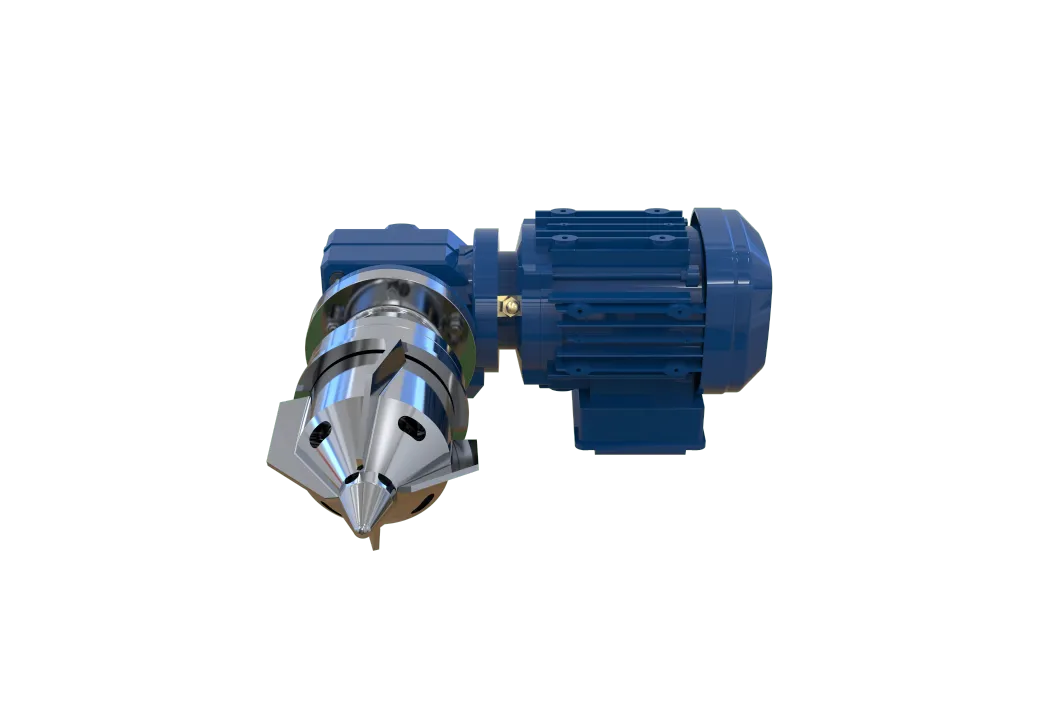
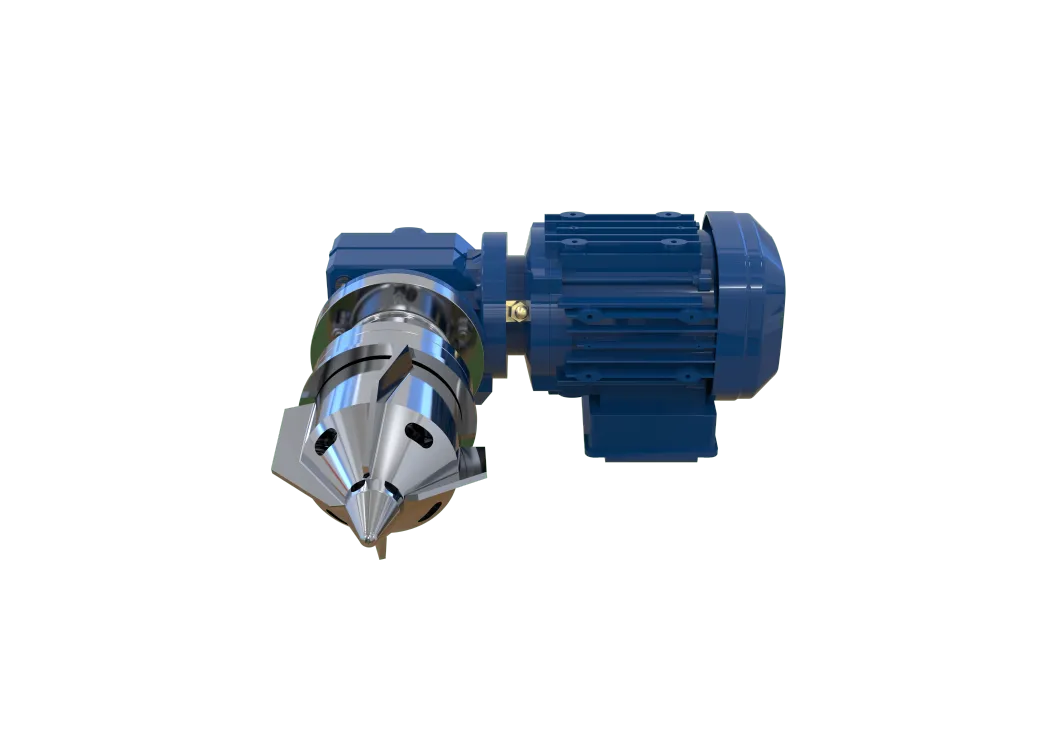
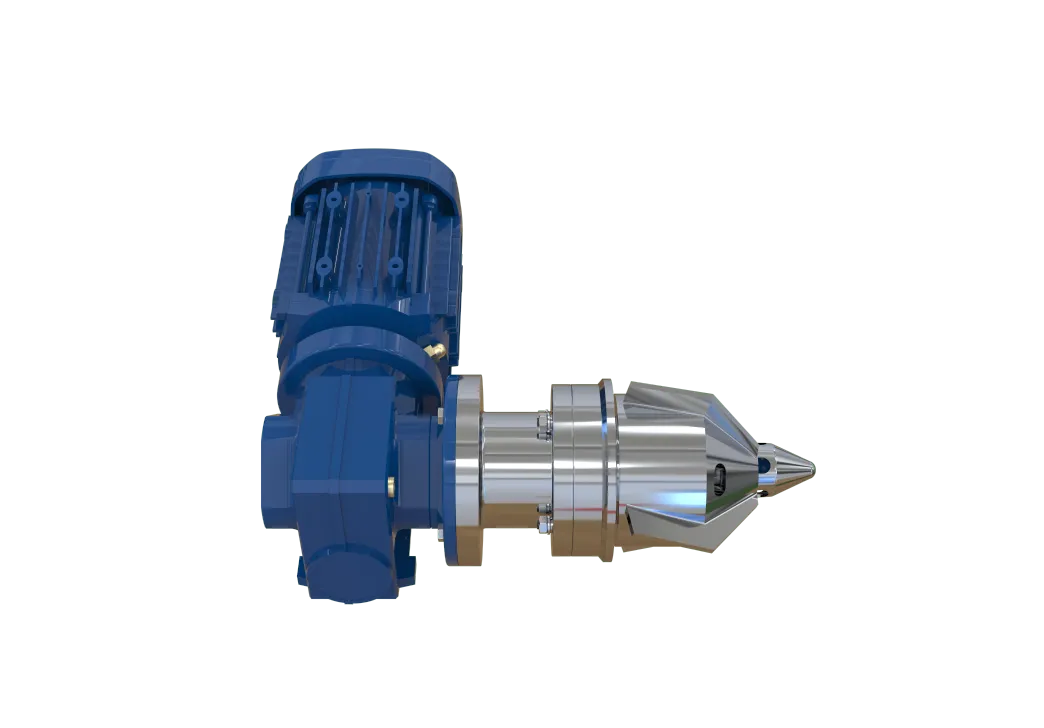
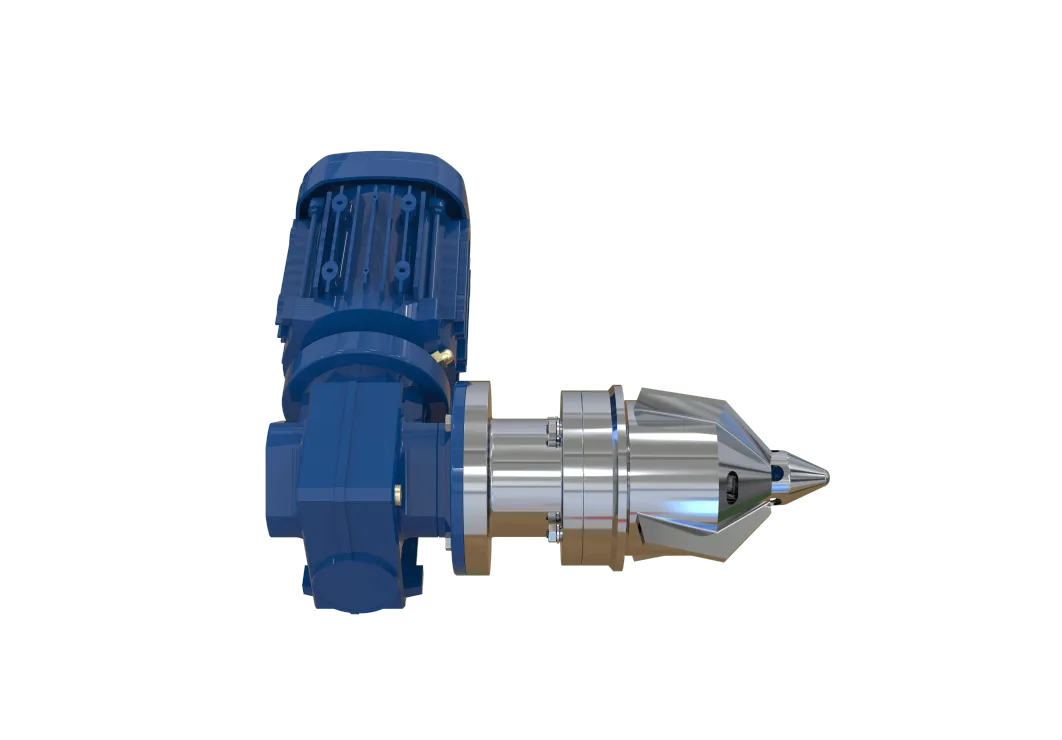
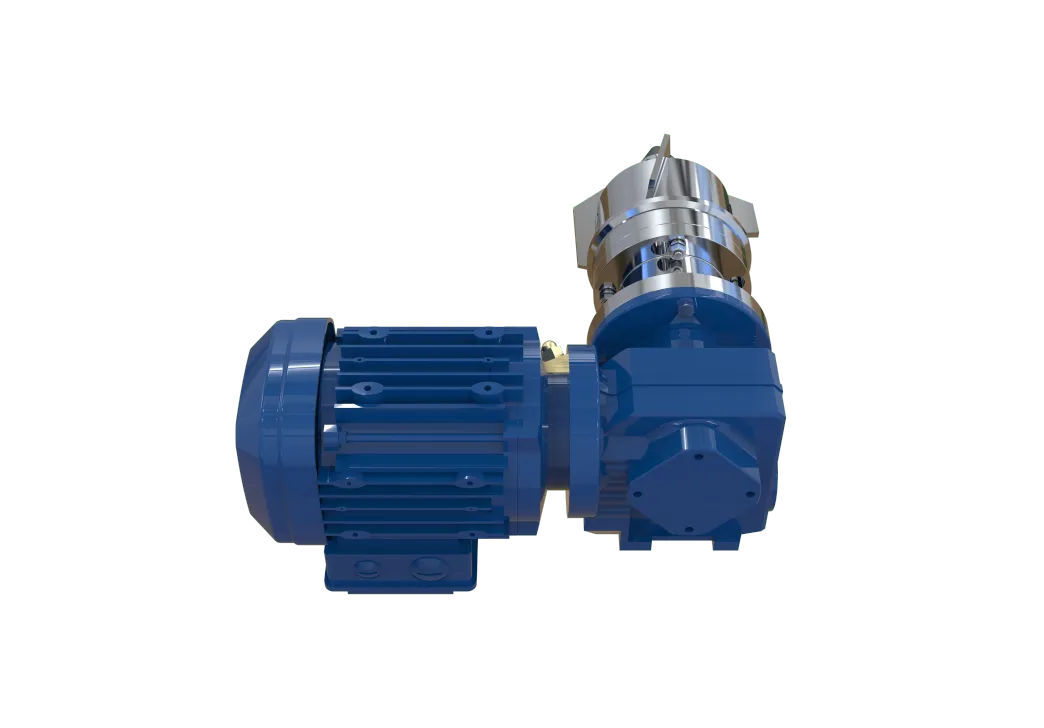
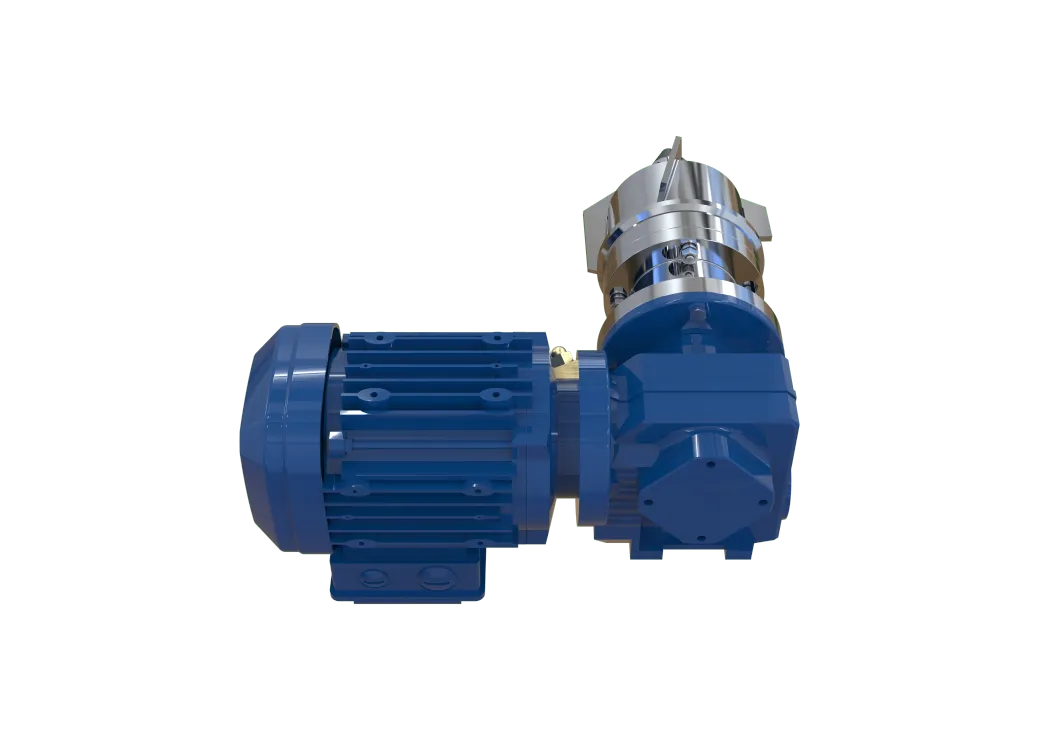
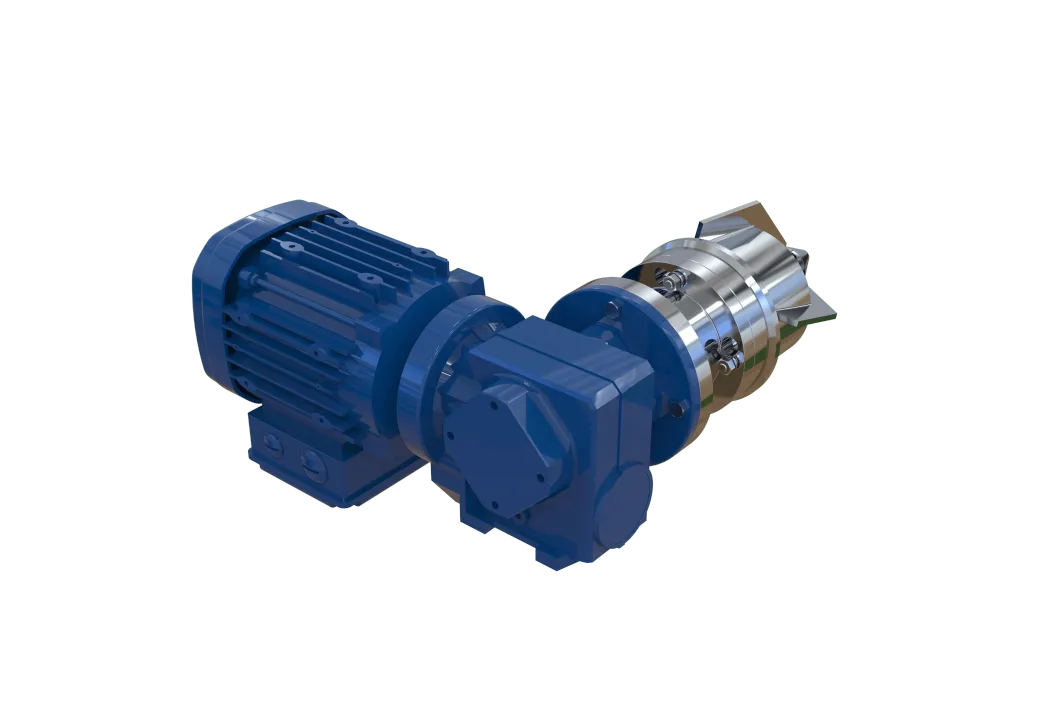
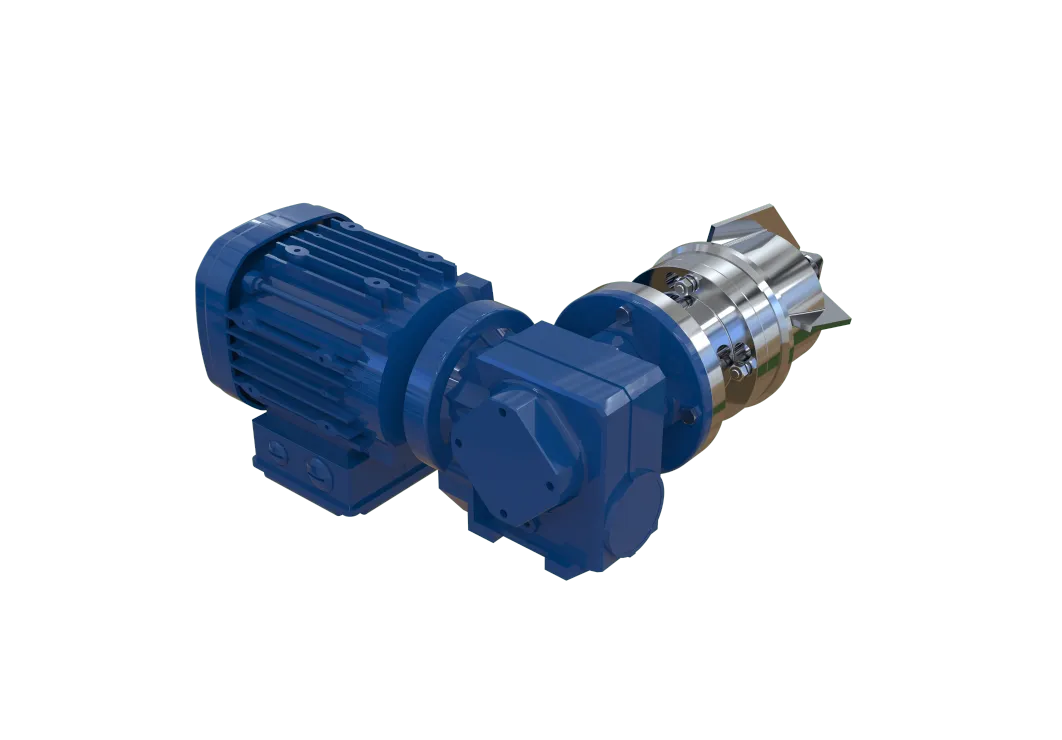
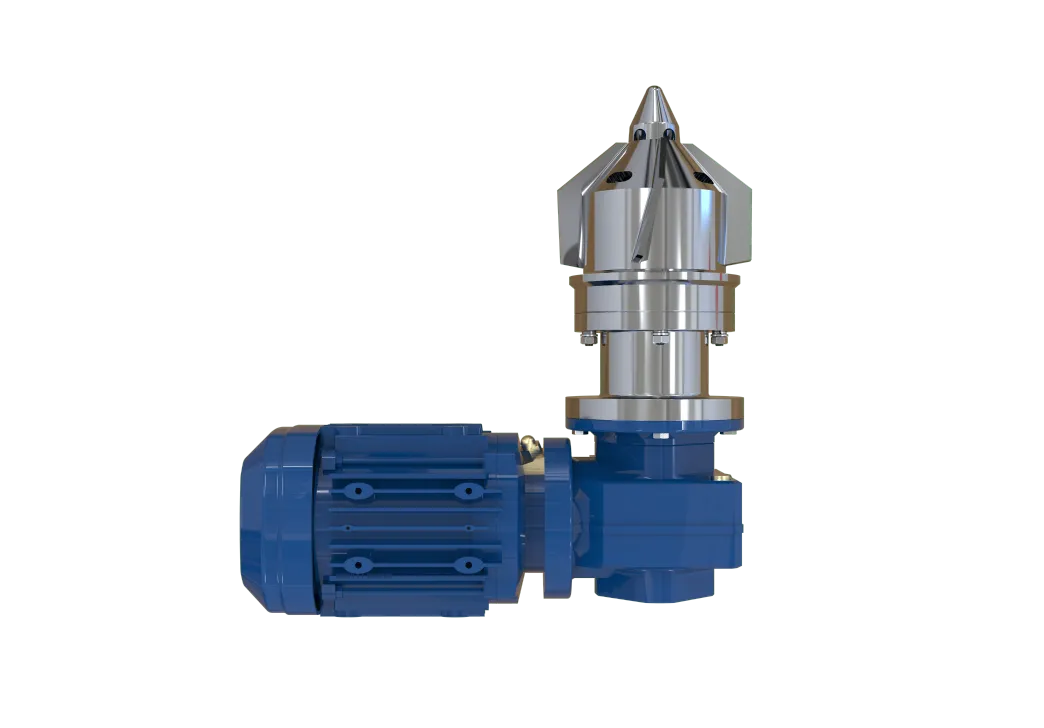
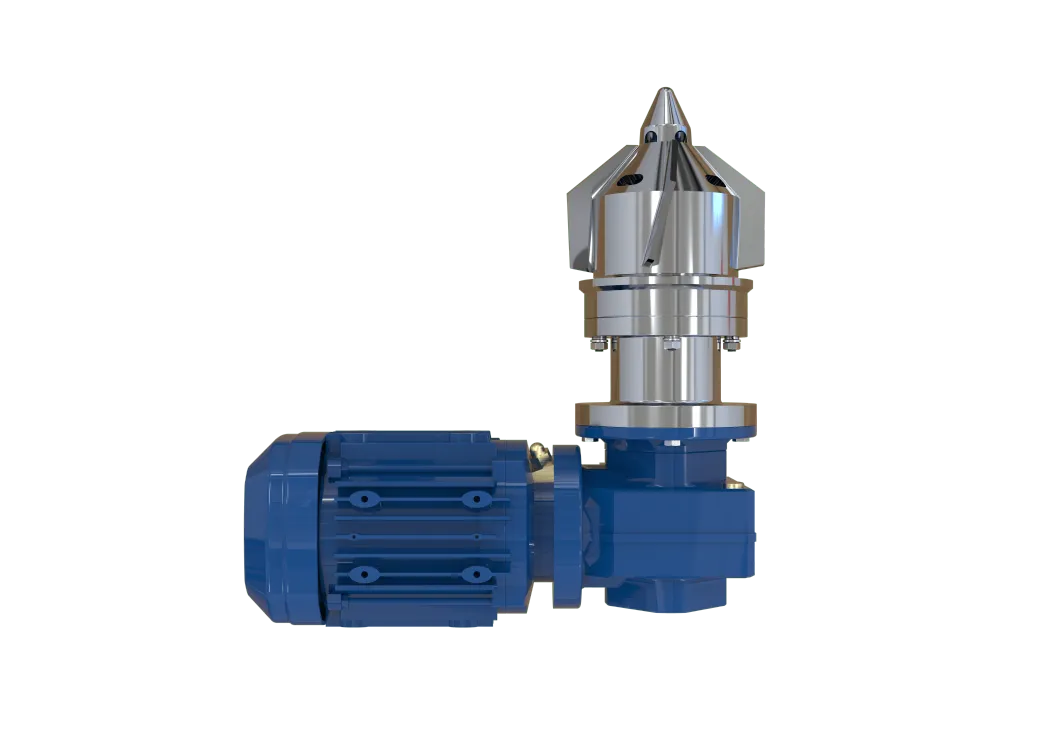
A magnetic agitator is widely used in process equipment where reliable mixing, a compact drive arrangement, and reduced mechanical wear are important. However, in conventional bottom-entry magnetic agitators, axial contact between internal components can create friction during operation. Over time, this contact may contribute to component wear, powder generation, and reduced operating efficiency.
The Magnetic Levitation Bottom-Entry Magnetic Agitator addresses this issue by incorporating a magnetic levitation device into the conventional bottom-mounted magnetic agitator design. During operation, the inner magnetic assembly is supported in a suspended state, reducing axial end-face contact between the rotating components. Radial positioning is maintained to guide the rotating assembly.
This structural improvement reduces friction at the sleeve end faces and helps protect wear-sensitive components. Manufactured from stainless steel, the agitator is designed for applications that require dependable mixing performance and better control over mechanical wear. Its ability to operate without liquid under appropriate conditions also offers greater flexibility during equipment operation and commissioning.
How Does a Magnetic Levitation Bottom-Entry Magnetic Agitator Work?
The key difference between a conventional bottom-entry magnetic agitator and its magnetic levitation version lies in the support arrangement of the internal magnetic assembly.
In a conventional design, axial forces can press internal components together, creating contact friction at the sleeve end faces. The magnetic levitation version adds a levitation device that generates supporting force to suspend the inner magnetic assembly during operation.
With the assembly suspended, the rotating shaft system relies on radial positioning rather than axial end-face contact for its operating arrangement. This reduces the friction associated with the contacting end faces while allowing the agitator to perform its mixing function.
The design also helps address a potential problem during installation. When the inner magnetic assembly is installed in a conventional arrangement, strong downward magnetic attraction may cause an impact against the silicon carbide movable bearing. By introducing levitation support, the design reduces the risk of this force causing a damaging collision during installation.
These structural changes do not eliminate every possible source of friction or wear. Instead, they target specific contact points that can affect component service life, operating efficiency, and equipment reliability.
Key Advantages of the Magnetic Levitation Design
Reduced Axial Friction for Improved Mixing Efficiency
Friction between contacting components consumes mechanical energy and can affect the efficiency of a mixing system. In a conventional bottom-entry magnetic agitator, axial end-face contact between the sleeve and related components is one potential source of this friction.
The magnetic levitation device reduces this contact by supporting the inner magnetic assembly in a suspended state. With less friction at the axial end faces, less energy is lost through this particular contact mechanism.
This helps improve the effective mixing performance of the agitator under suitable operating conditions. The actual mixing result will still depend on factors such as impeller design, rotational speed, vessel geometry, and the properties of the processed liquid.
Lower Wear and Reduced Powder Contamination Risk
Wear-sensitive components can gradually deteriorate when their surfaces remain in contact during repeated rotation. If this wear generates fine particles, those particles may enter the process medium and become a concern in applications where product cleanliness matters.
By reducing axial end-face friction, the magnetic levitation structure helps limit wear associated with these contact surfaces. This also reduces the risk of powder generation from the relevant moving components.
For processes that require tighter control over particulate contamination, this is an important design consideration. However, reduced wear does not mean that the agitator is completely particle-free. Material selection, bearing condition, installation quality, and operating conditions remain important to overall contamination control.
Better Protection for Silicon Carbide Movable Bearings
Silicon carbide is used in bearing applications where wear resistance and mechanical stability are important. Nevertheless, even a wear-resistant bearing can be damaged by an inappropriate installation impact.
During installation of a conventional internal magnetic assembly, strong downward magnetic attraction may pull the assembly toward the bearing. If the components collide with excessive force, the silicon carbide movable bearing may be damaged before normal operation begins.
The magnetic levitation device provides supporting force to reduce the effect of this downward attraction and lower the risk of impact damage. This helps protect the bearing during assembly and contributes to more reliable equipment installation.
Correct installation procedures are still necessary. The levitation structure reduces a specific mechanical risk but does not replace proper handling, alignment, or inspection.
Capability for Dry Running Under Appropriate Conditions
Another useful feature is the ability to run without liquid under appropriate operating conditions. This can be beneficial during equipment commissioning, functional checks, or certain operating situations where the vessel has not yet been filled.
Dry-running capability provides additional flexibility compared with designs that depend on liquid for their normal operation. It can help simplify specific checks before introducing the process medium.
However, dry running should not be interpreted as unlimited operation without liquid. The permissible duration, rotational speed, thermal conditions, and bearing lubrication requirements must be confirmed against the actual product design and operating instructions. Users should follow the manufacturer's recommendations before performing dry-running tests.
Stainless Steel Construction for Industrial Mixing Applications
The agitator uses stainless steel construction, making it suitable for industrial process equipment where corrosion resistance, durability, and cleanable surfaces are important considerations.
Material suitability depends on the grade of stainless steel, the chemical composition of the process medium, operating temperature, and cleaning conditions. For applications involving corrosive ingredients or demanding hygiene requirements, the material grade and surface finish should be selected according to the specific process.
The magnetic levitation structure and stainless steel construction address different aspects of equipment performance. The levitation design focuses on reducing axial contact friction and related wear, while material selection supports compatibility with the working environment.
Together, these features can be considered when selecting a bottom-entry magnetic agitator for process tanks that require reliable mixing and careful management of mechanical wear.
What Should You Consider When Selecting a Magnetic Levitation Agitator?
Selecting the appropriate agitator requires more than evaluating its drive arrangement. The mixing objective and operating environment must also be considered.
Process medium: Identify the liquid's viscosity, chemical properties, temperature, and any suspended solids. These factors influence material compatibility and the required mixing configuration.
Mixing requirements: Determine whether the process requires uniform blending, suspension of solids, dissolution, or circulation within the vessel. The impeller configuration and operating speed should match the actual mixing objective.
Vessel design: Consider the tank diameter, bottom geometry, installation position, working volume, and available mounting space. These details affect circulation patterns and overall mixing performance.
Operating conditions: Confirm the expected rotational speed, operating duration, startup procedure, and whether dry-running capability is required. The manufacturer's operating limits should be checked before finalizing the selection.
Hygiene and maintenance: Where product cleanliness is important, evaluate stainless steel grade, surface finish, cleaning procedures, and the inspection requirements for moving components.
Providing these details to the equipment supplier helps ensure that the magnetic levitation structure is matched to the process rather than selected solely on the basis of its design advantages.
The Magnetic Levitation Bottom-Entry Magnetic Agitator improves on the conventional bottom-entry magnetic agitator by introducing a levitation device to support the inner magnetic assembly. Its principal benefits include reduced axial end-face friction, lower wear and powder-generation risk, improved protection against installation impact on the silicon carbide movable bearing, and the ability to run without liquid under appropriate conditions.
For industrial mixing applications where mechanical wear, component protection, and operating flexibility are important, this design offers a practical alternative to conventional bottom-entry magnetic agitators. Proper selection, installation, and operation remain essential to achieving reliable performance over the equipment's service life.

Description
A magnetic agitator is widely used in process equipment where reliable mixing, a compact drive arrangement, and reduced mechanical wear are important. However, in conventional bottom-entry magnetic agitators, axial contact between internal components can create friction during operation. Over time, this contact may contribute to component wear, powder generation, and reduced operating efficiency.
The Magnetic Levitation Bottom-Entry Magnetic Agitator addresses this issue by incorporating a magnetic levitation device into the conventional bottom-mounted magnetic agitator design. During operation, the inner magnetic assembly is supported in a suspended state, reducing axial end-face contact between the rotating components. Radial positioning is maintained to guide the rotating assembly.
This structural improvement reduces friction at the sleeve end faces and helps protect wear-sensitive components. Manufactured from stainless steel, the agitator is designed for applications that require dependable mixing performance and better control over mechanical wear. Its ability to operate without liquid under appropriate conditions also offers greater flexibility during equipment operation and commissioning.
How Does a Magnetic Levitation Bottom-Entry Magnetic Agitator Work?
The key difference between a conventional bottom-entry magnetic agitator and its magnetic levitation version lies in the support arrangement of the internal magnetic assembly.
In a conventional design, axial forces can press internal components together, creating contact friction at the sleeve end faces. The magnetic levitation version adds a levitation device that generates supporting force to suspend the inner magnetic assembly during operation.
With the assembly suspended, the rotating shaft system relies on radial positioning rather than axial end-face contact for its operating arrangement. This reduces the friction associated with the contacting end faces while allowing the agitator to perform its mixing function.
The design also helps address a potential problem during installation. When the inner magnetic assembly is installed in a conventional arrangement, strong downward magnetic attraction may cause an impact against the silicon carbide movable bearing. By introducing levitation support, the design reduces the risk of this force causing a damaging collision during installation.
These structural changes do not eliminate every possible source of friction or wear. Instead, they target specific contact points that can affect component service life, operating efficiency, and equipment reliability.
Key Advantages of the Magnetic Levitation Design
Reduced Axial Friction for Improved Mixing Efficiency
Friction between contacting components consumes mechanical energy and can affect the efficiency of a mixing system. In a conventional bottom-entry magnetic agitator, axial end-face contact between the sleeve and related components is one potential source of this friction.
The magnetic levitation device reduces this contact by supporting the inner magnetic assembly in a suspended state. With less friction at the axial end faces, less energy is lost through this particular contact mechanism.
This helps improve the effective mixing performance of the agitator under suitable operating conditions. The actual mixing result will still depend on factors such as impeller design, rotational speed, vessel geometry, and the properties of the processed liquid.
Lower Wear and Reduced Powder Contamination Risk
Wear-sensitive components can gradually deteriorate when their surfaces remain in contact during repeated rotation. If this wear generates fine particles, those particles may enter the process medium and become a concern in applications where product cleanliness matters.
By reducing axial end-face friction, the magnetic levitation structure helps limit wear associated with these contact surfaces. This also reduces the risk of powder generation from the relevant moving components.
For processes that require tighter control over particulate contamination, this is an important design consideration. However, reduced wear does not mean that the agitator is completely particle-free. Material selection, bearing condition, installation quality, and operating conditions remain important to overall contamination control.
Better Protection for Silicon Carbide Movable Bearings
Silicon carbide is used in bearing applications where wear resistance and mechanical stability are important. Nevertheless, even a wear-resistant bearing can be damaged by an inappropriate installation impact.
During installation of a conventional internal magnetic assembly, strong downward magnetic attraction may pull the assembly toward the bearing. If the components collide with excessive force, the silicon carbide movable bearing may be damaged before normal operation begins.
The magnetic levitation device provides supporting force to reduce the effect of this downward attraction and lower the risk of impact damage. This helps protect the bearing during assembly and contributes to more reliable equipment installation.
Correct installation procedures are still necessary. The levitation structure reduces a specific mechanical risk but does not replace proper handling, alignment, or inspection.
Capability for Dry Running Under Appropriate Conditions
Another useful feature is the ability to run without liquid under appropriate operating conditions. This can be beneficial during equipment commissioning, functional checks, or certain operating situations where the vessel has not yet been filled.
Dry-running capability provides additional flexibility compared with designs that depend on liquid for their normal operation. It can help simplify specific checks before introducing the process medium.
However, dry running should not be interpreted as unlimited operation without liquid. The permissible duration, rotational speed, thermal conditions, and bearing lubrication requirements must be confirmed against the actual product design and operating instructions. Users should follow the manufacturer's recommendations before performing dry-running tests.
Stainless Steel Construction for Industrial Mixing Applications
The agitator uses stainless steel construction, making it suitable for industrial process equipment where corrosion resistance, durability, and cleanable surfaces are important considerations.
Material suitability depends on the grade of stainless steel, the chemical composition of the process medium, operating temperature, and cleaning conditions. For applications involving corrosive ingredients or demanding hygiene requirements, the material grade and surface finish should be selected according to the specific process.
The magnetic levitation structure and stainless steel construction address different aspects of equipment performance. The levitation design focuses on reducing axial contact friction and related wear, while material selection supports compatibility with the working environment.
Together, these features can be considered when selecting a bottom-entry magnetic agitator for process tanks that require reliable mixing and careful management of mechanical wear.
What Should You Consider When Selecting a Magnetic Levitation Agitator?
Selecting the appropriate agitator requires more than evaluating its drive arrangement. The mixing objective and operating environment must also be considered.
Process medium: Identify the liquid's viscosity, chemical properties, temperature, and any suspended solids. These factors influence material compatibility and the required mixing configuration.
Mixing requirements: Determine whether the process requires uniform blending, suspension of solids, dissolution, or circulation within the vessel. The impeller configuration and operating speed should match the actual mixing objective.
Vessel design: Consider the tank diameter, bottom geometry, installation position, working volume, and available mounting space. These details affect circulation patterns and overall mixing performance.
Operating conditions: Confirm the expected rotational speed, operating duration, startup procedure, and whether dry-running capability is required. The manufacturer's operating limits should be checked before finalizing the selection.
Hygiene and maintenance: Where product cleanliness is important, evaluate stainless steel grade, surface finish, cleaning procedures, and the inspection requirements for moving components.
Providing these details to the equipment supplier helps ensure that the magnetic levitation structure is matched to the process rather than selected solely on the basis of its design advantages.
The Magnetic Levitation Bottom-Entry Magnetic Agitator improves on the conventional bottom-entry magnetic agitator by introducing a levitation device to support the inner magnetic assembly. Its principal benefits include reduced axial end-face friction, lower wear and powder-generation risk, improved protection against installation impact on the silicon carbide movable bearing, and the ability to run without liquid under appropriate conditions.
For industrial mixing applications where mechanical wear, component protection, and operating flexibility are important, this design offers a practical alternative to conventional bottom-entry magnetic agitators. Proper selection, installation, and operation remain essential to achieving reliable performance over the equipment's service life.
Application


Specifications
Advantage Comparison


GET IN TOUCH NOW


